UPSC Books
Browse our collection of upsc books textbooks, solutions, and premium test series.
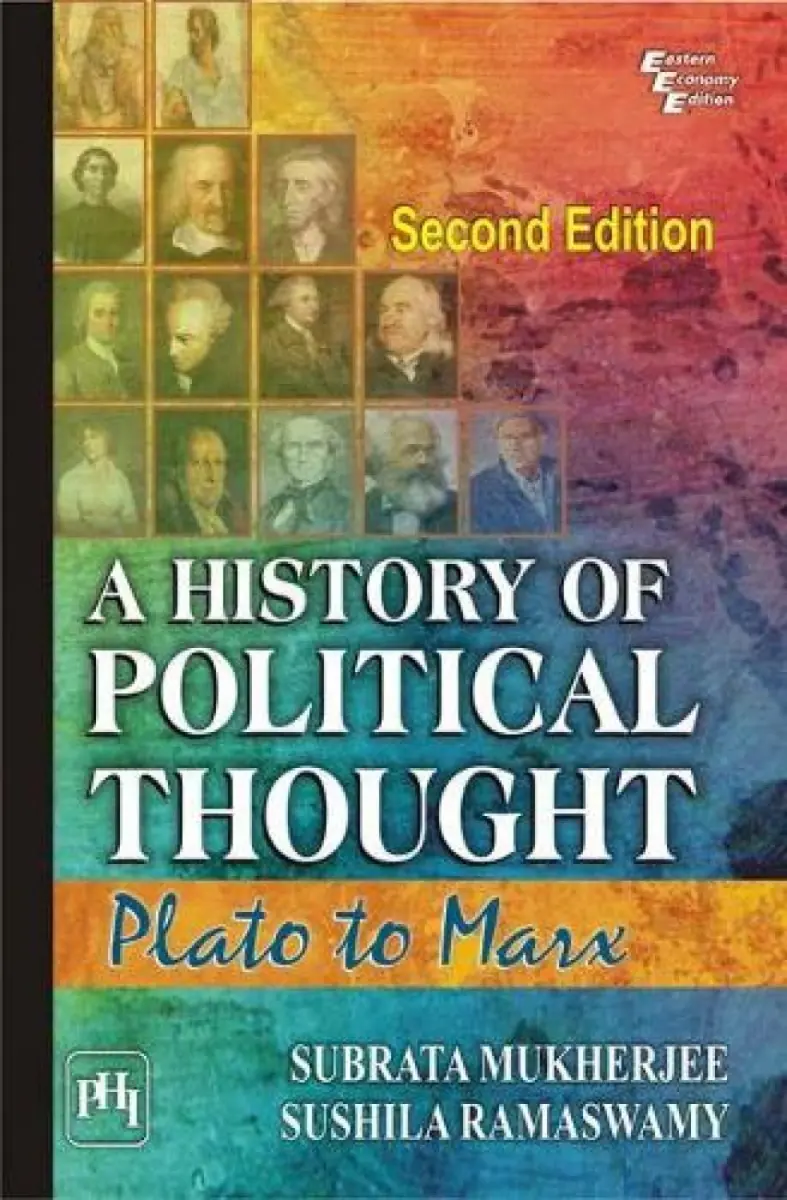
A History Of Political Thought: Plato To Marx" By Subrata Mukherjee
About the BookA History of Political Thought: Plato to Marx is one of the most authoritative and comprehensive books on the evolution of Western political thought. It traces the development of political ideas from Ancient Greece to Karl Marx, explaining each thinker's historical context, major concepts, contributions, and critical evaluation. The second edition also includes additional coverage of Mary Wollstonecraft, Immanuel Kant, and an appendix on John Rawls.Major Thinkers CoveredPlatoAristotleNiccolò MachiavelliThomas HobbesJohn LockeJean-Jacques RousseauEdmund BurkeJeremy BenthamJ.S. MillMary WollstonecraftImmanuel KantG.W.F. HegelKarl MarxJohn Rawls (Appendix)Key FeaturesComprehensive historical analysis of Western political thought.Explains the social, political, and philosophical background of each thinker.Includes critical interpretations and contemporary relevance.Extensive references and bibliography for advanced study.Suitable for both academic learning and competitive examinations.Best Suited ForUPSC Civil Services (Political Science & International Relations Optional)UGC NET Political ScienceCUET PG Political ScienceMA Political ScienceState PSC examinationsUniversity undergraduate and postgraduate coursesStrengthsIn-depth and academically rigorous.Strong analytical treatment of political thinkers.Excellent for answer writing and conceptual clarity.Widely recommended in Political Science departments and for UPSC PSIR Optional.
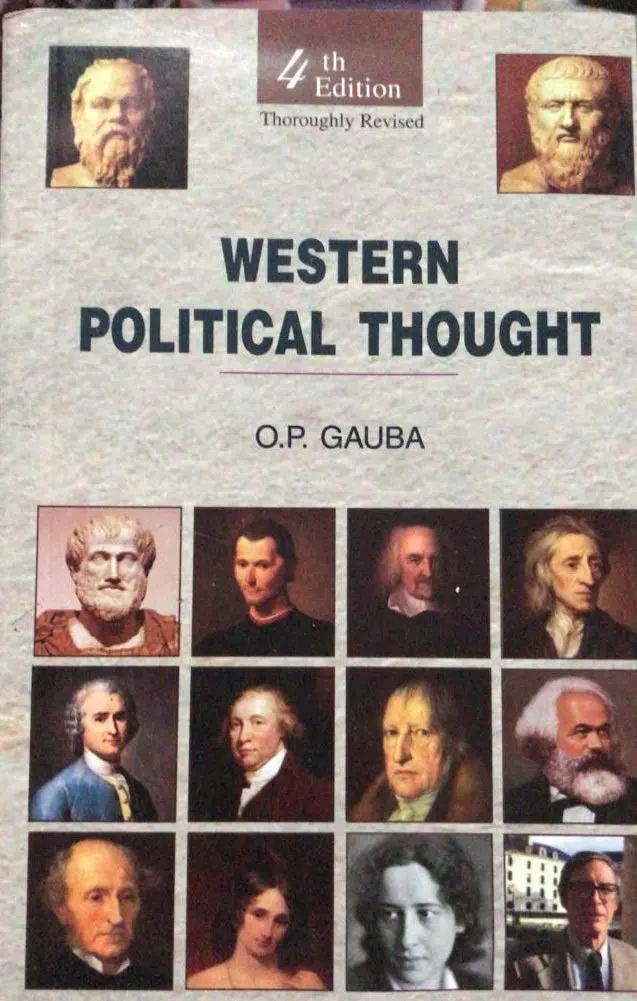
Western Political Thought by by O.P. Gauba (Author)
About the BookWestern Political Thought by O.P. Gauba is one of the most widely used textbooks on Western political philosophy. It traces the development of political ideas from Ancient Greece to contemporary political thinkers in a clear, analytical, and student-friendly style. The book is especially valuable for understanding the evolution of concepts such as justice, liberty, equality, democracy, rights, sovereignty, and the state.Major Thinkers CoveredSocratesPlatoAristotleNiccolò MachiavelliThomas HobbesJohn LockeJean-Jacques RousseauEdmund BurkeJeremy BenthamJ.S. MillImmanuel KantG.W.F. HegelT.H. GreenKarl MarxFriedrich EngelsVladimir LeninRosa LuxemburgMao ZedongAntonio GramsciJohn RawlsRobert NozickHannah ArendtMichael OakeshottIt also explains major traditions of political thought, including:Classical Political ThoughtRenaissance ThoughtLiberalism & Neo-liberalismConservatismUtilitarianismEnlightenmentIdealismMarxism & Neo-MarxismFeminismCommunitarianismEnvironmentalismContemporary Political PhilosophyWhy This Book is RecommendedCovers the complete syllabus of Western Political Thought.Uses simple, exam-oriented language.Explains concepts with comparisons and critical analysis.Ideal for conceptual clarity and answer writing.Frequently recommended for Political Science students and UPSC PSIR Optional aspirants.Suitable ForUPSC Civil Services (Political Science & International Relations Optional)UGC NET Political ScienceCUET PG Political ScienceBA & MA Political ScienceState PSC examinations
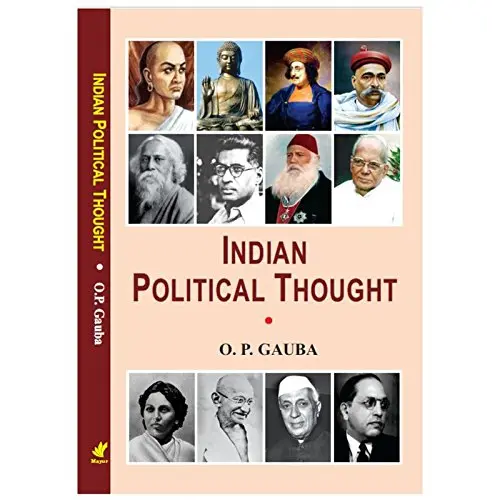
Indian Political Thought by O.P. Gauba (Author)
Indian Political Thought by O. P. Gauba is a comprehensive academic work that introduces readers to the rich tradition of political ideas that developed in India. The book examines the contributions of major Indian thinkers and explains their views on politics, society, state, freedom, equality, justice, nationalism, democracy, religion, and social reform.Written in a clear and systematic style, the book helps students understand Indian political thought in its historical and intellectual context. It connects the ideas of important thinkers with the social and political conditions of their respective periods, making complex concepts easier to understand. The discussion also highlights different approaches to issues such as colonialism, nationalism, social transformation, individual liberty, and the relationship between religion and politics.The book is particularly useful for students of Political Science, Indian Political Thought, Political Theory, and History. It is also a valuable reference for candidates preparing for competitive examinations such as UPSC Civil Services Political Science Optional, UGC NET/JRF, and university examinations.O. P. Gauba's presentation combines conceptual explanation with critical discussion, allowing readers to develop a structured understanding of India's intellectual and political traditions. Overall, Indian Political Thought serves as a useful study resource for understanding the evolution of political ideas in India and the contributions of influential Indian thinkers to modern political and social thought.
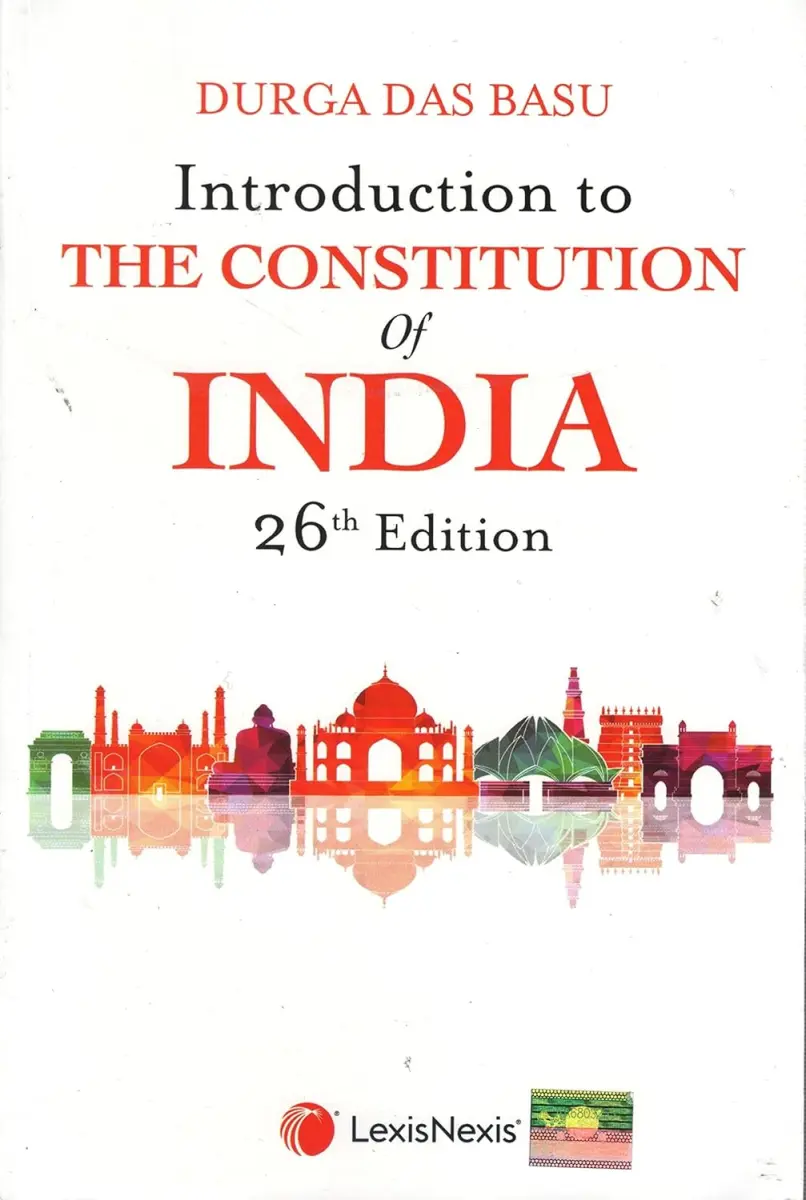
Introduction to the Constitution of India - 26/edition D D Basu
Introduction to the Constitution of India (26th Edition) – D. D. BasuIntroduction to the Constitution of India (26th Edition) by D. D. Basu is one of the most authoritative and widely recommended books on the Indian Constitution. It provides a clear and systematic explanation of the Constitution's historical background, salient features, Fundamental Rights, Directive Principles of State Policy, Fundamental Duties, Union and State governments, judiciary, federal structure, emergency provisions, constitutional amendments, and other key constitutional concepts. Updated with the latest constitutional developments and judicial interpretations, this book is an indispensable resource for law students, civil services aspirants, and anyone seeking a comprehensive understanding of India's constitutional framework.
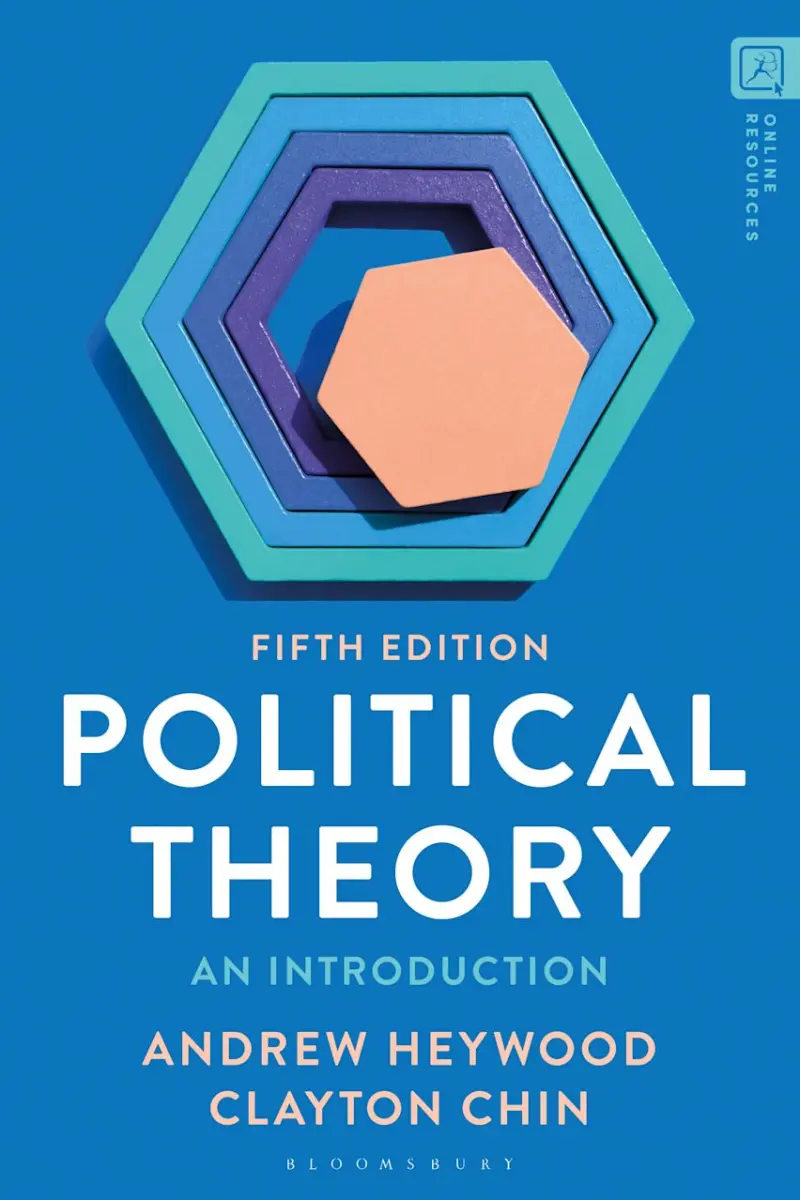
Political Theory: An Introduction, UPSC Optional and others Exam | Author: Andrew Heywood, Clayton Chin
Political Theory: An IntroductionPolitical Theory: An Introduction is a comprehensive guide to the fundamental concepts, ideologies, and debates in political thought. The book explores key themes such as justice, liberty, equality, democracy, rights, citizenship, power, and the state, while introducing the ideas of major political thinkers and contemporary perspectives. Written in a clear and accessible style, it helps readers develop a critical understanding of political institutions and ideas, making it an excellent resource for students of political science and aspirants preparing for UPSC, UGC NET, and other competitive examinations.
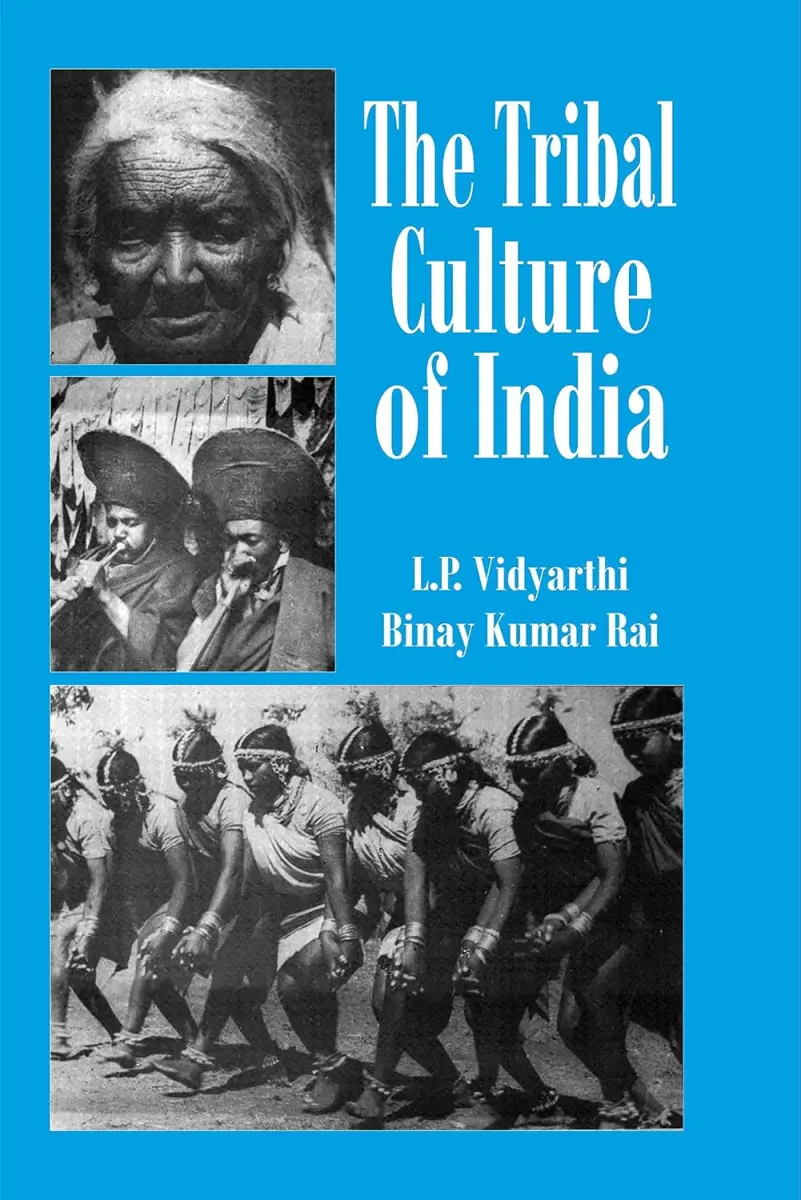
The Tribal Culture of India (by-L.P. Vidyarthi,Vinay Kumar Rai) | UPSC Optional, UGC NET
The Tribal Culture of India – L. P. Vidyarthi & Vinay Kumar RaiThe Tribal Culture of India by L. P. Vidyarthi and Vinay Kumar Rai is a classic work that provides an in-depth study of the cultural diversity and social life of India's tribal communities. The book explores tribal history, social organization, economy, religion, customs, art, and traditional knowledge while examining the effects of modernization, development, and government policies on tribal societies. Rich in anthropological insights and field-based observations, it is an essential reference for students of anthropology, sociology, tribal studies, and aspirants preparing for UPSC, UGC NET, and other competitive examinations.
Tribal India by Nadeem Hasnain | UPSC Optional and ugc net
About the BookTribal India by Nadeem Hasnain is one of the most authoritative books on the tribes of India. Written by a renowned social anthropologist, it provides a comprehensive account of the origin, distribution, culture, economy, religion, administration, development, and contemporary issues of tribal communities in India. It is widely prescribed in universities and is a standard reference for Anthropology and Tribal Studies.Major Topics CoveredConcept and Definition of TribeClassification and Distribution of Indian TribesTribal Economy and LivelihoodMarriage, Family, and KinshipPolitical OrganizationTribal Religion and WorldviewArt, Dance, Music, and Material CultureTribal Movements and ResistanceColonial and Post-Independence Tribal PoliciesTribal Development ProgrammesConstitutional Safeguards for Scheduled TribesForest Rights and Land AlienationTribal Health and EducationTribal Displacement and RehabilitationSocial Change, Modernization, and GlobalizationEthnographic Profiles of Major Indian TribesWhy This Book is RecommendedComprehensive coverage of Indian tribal society and culture.Rich ethnographic examples useful for answer writing.Covers both theoretical concepts and practical issues.Frequently recommended in Ant
Anthropology Simplified – Vivek Bhasme | UPSC , UGC NET
Anthropology Simplified – Vivek BhasmeAnthropology Simplified by Vivek Bhasme is a concise and exam-oriented guide designed for students and competitive exam aspirants, especially those preparing for UPSC Civil Services (Anthropology Optional) and other university examinations. The book presents complex anthropological concepts in a simple, structured, and easy-to-understand manner, covering topics such as physical anthropology, socio-cultural anthropology, archaeology, tribal studies, human evolution, and Indian anthropology. With clear explanations, diagrams, and a focused approach, it serves as an excellent resource for building conceptual clarity and effective revision.
Anthropology (15th Edition) – Carol R. Ember, Melvin Ember | Compatible for UPSC, CSIR NET JRF
Anthropology (15th Edition) – Carol R. Ember, Melvin Ember & Peter N. PeregrineAnthropology (15th Edition) provides a comprehensive and holistic introduction to the study of humanity, integrating biological, cultural, social, and archaeological perspectives. Rather than simply describing human societies, the book explains how humans evolved, adapted, and developed diverse cultures across time and regions. Using a comparative, evidence-based, and cross-cultural approach, the authors help readers understand both the similarities and differences among people worldwide. Updated with the latest research and a streamlined structure, this edition is an ideal resource for undergraduate students, educators, and aspirants preparing for anthropology-related competitive examinations.
Indian Anthropology by by Nadeem Hasnain
Indian Anthropology – Nadeem HasnainIndian Anthropology by Nadeem Hasnain offers a comprehensive introduction to the cultural, social, and biological diversity of India. The book explores the country's tribal and rural communities, caste system, kinship, family, religion, social change, and anthropological traditions. It also discusses the evolution of Indian society and the application of anthropology in understanding contemporary social issues. Written in a clear and accessible style, this book is an invaluable resource for students of anthropology, sociology, and aspirants preparing for UPSC, UGC NET, and other competitive examinations.
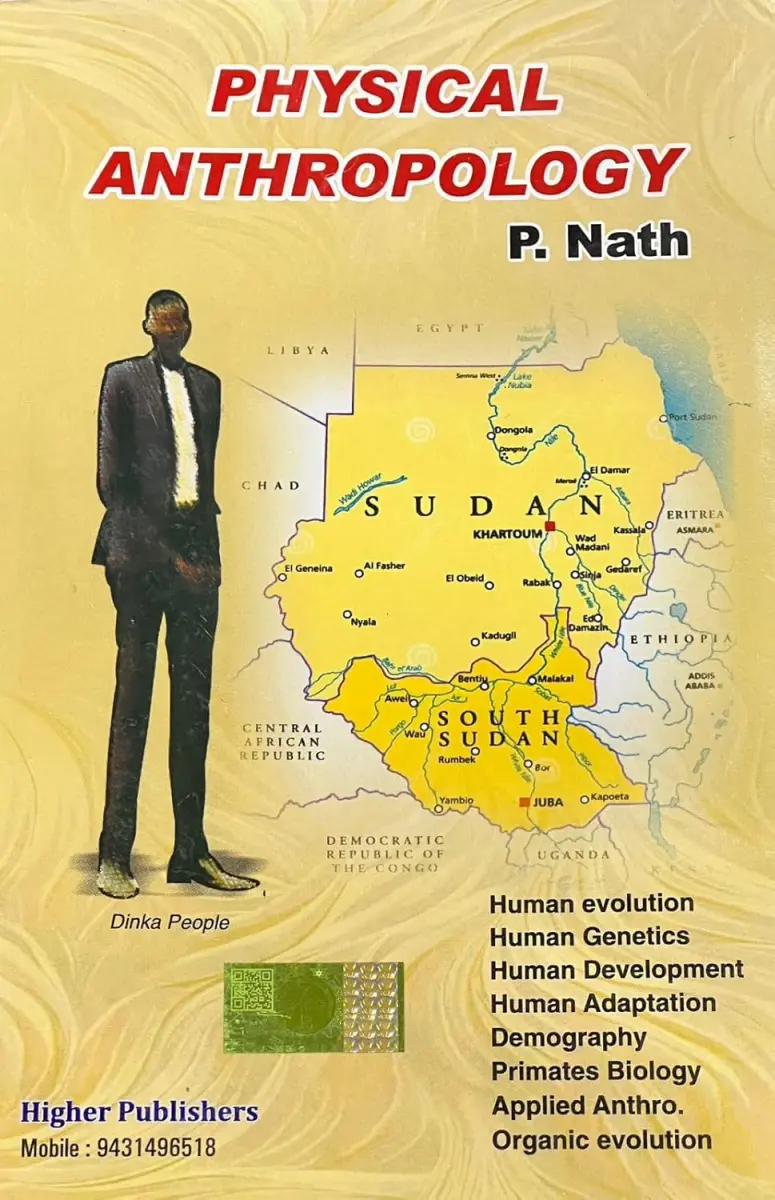
Physical Anthropology Book by P. Nath | Latest Edition - 2025 | Best for UPSC Optional
Physical Anthropology – P. NathCovering topics:Human EvolutionGenetics, DevelopmentAdaptation, DemographyPrimates BiologyApplied AnthroOrganic EvolutionExplore the fascinating science of human evolution and biological diversity with Physical Anthropology by P. Nath. This comprehensive book covers key topics including human evolution, genetics, growth and development, adaptation, demography, primate biology, and the principles of organic evolution. Ideal for students of anthropology and related disciplines, it provides clear explanations and valuable insights into the biological foundations of humankind, making it an excellent resource for academic study and competitive exam preparation.
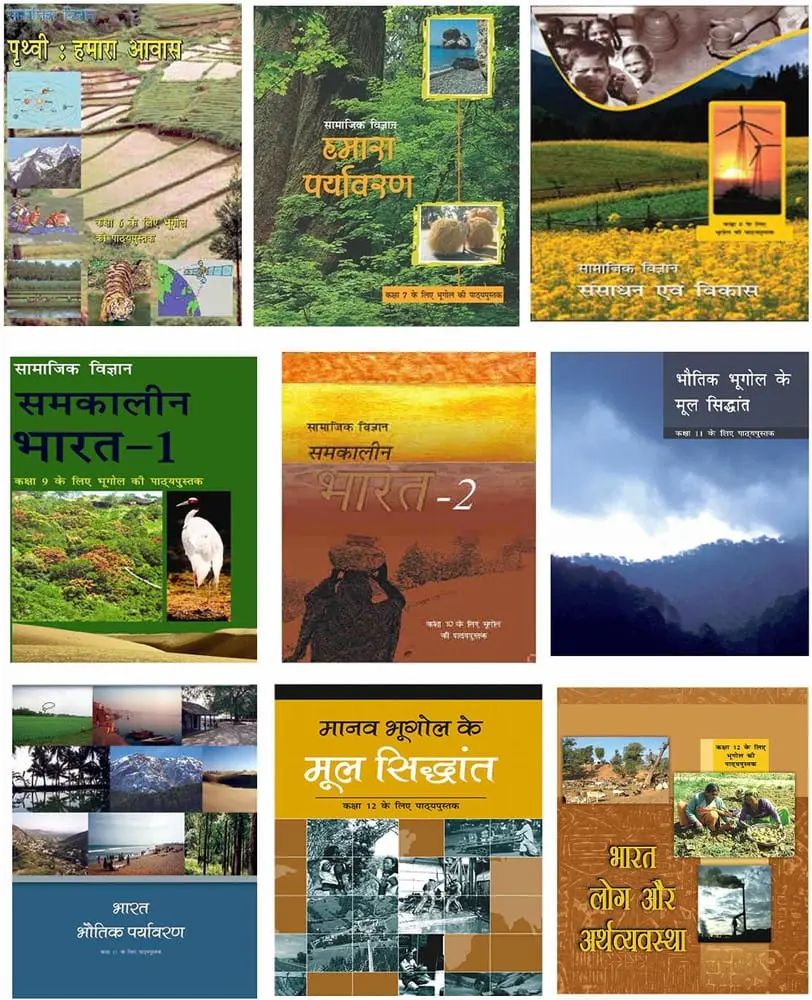
NCERT Complete set 42 Booklets for IAS & PCS | Medium : Hindi | Edition : Old
NCERT complete set 42 Booklets for (IAS &PCS ( Hindi medium)HISTORY = Class 6 to12 GEOGRAPHY = Class 6 to12 Polity = Class 6 to12 Economy= Class 9 to 12 Science= Class 6 to 10Art and culture = Class 12Geography (भूगोल)पृथ्वी: हमारा आवास (Class 6)हमारा पर्यावरण (Class 7)संसाधन एवं विकास (Class 8)समकालीन भारत-1 (Class 9)समकालीन भारत-2 (Class 10)भौतिक भूगोल के मूल सिद्धांत (Class 11)भारत: भौतिक पर्यावरण (Class 11)मानव भूगोल के मूल सिद्धांत (Class 12)भारत: लोग और अर्थव्यवस्था (Class 12)History (इतिहास)हमारे अतीत-1 (Class 6)हमारे अतीत-2 (Class 7)हमारे अतीत-3, भाग 1 (Class 8)भारत और समकालीन विश्व-1 (Class 9)भारत और समकालीन विश्व-2 (Class 10)विश्व इतिहास के कुछ विषय (Class 11)भारतीय इतिहास के कुछ विषय: भाग 1, भाग 2, भाग 3 (Class 12)Political Science (राजनीति विज्ञान)सामाजिक एवं राजनीतिक जीवन-1 (Class 6)सामाजिक एवं राजनीतिक जीवन-2 (Class 7)सामाजिक एवं राजनीतिक जीवन-3 (Class 8)लोकतांत्रिक राजनीति-1 (Class 9)लोकतांत्रिक राजनीति-2 (Class 10)भारत का संविधान: सिद्धांत और व्यवहार (Class 11)राजनीतिक सिद्धांत (Class 11)स्वतंत्र भारत में राजनीति (Class 12)समकालीन विश्व राजनीति (Class 12)Economics (अर्थशास्त्र)अर्थशास्त्र (Class 9)आर्थिक विकास की समझ (Class 10)भारतीय अर्थव्यवस्था का विकास (Class 11)व्यष्टि अर्थशास्त्र: एक परिचय (Class 12)समष्टि अर्थशास्त्र: एक परिचय (Class 12)Science (विज्ञान)विज्ञान (Class 6, 7, 8, 9, 10)Sociology (समाजशास्त्र)समाज का बोध (Class 11)समाजशास्त्र परिचय (Class 11)भारतीय समाज (Class 12)भारत में सामाजिक परिवर्तन एवं विकास (Class 12)Fine Arts (ललित कला)भारतीय कला का परिचय: भाग 1 (Class 11)NCERT की पुस्तकें UPSC IAS और राज्य स्तरीय PCS परीक्षाओं के लिए आधार मानी जाती हैं। इनकी तैयारी में भूमिका अत्यंत महत्वपूर्ण है:NCERT पुस्तकें क्यों आवश्यक हैं?मजबूत वैचारिक आधार: NCERT इतिहास, भूगोल, राजनीति, अर्थशास्त्र और विज्ञान के जटिल विषयों को सरल, तार्किक और समझने में आसान भाषा में प्रस्तुत करती हैं। यह शुरुआती छात्रों के लिए उन्नत मानक संदर्भ पुस्तकों (standard reference books) की ओर बढ़ने से पहले मूलभूत अवधारणाओं को समझने के लिए अनुशंसित शुरुआती बिंदु हैं।विश्वसनीयता और प्रमाणिकता: भारत सरकार द्वारा प्रकाशित होने के कारण, इनकी सामग्री को 100% सटीक, त्रुटिहीन और निष्पक्ष माना जाता है, जो कोचिंग सामग्री से उत्पन्न होने वाले भ्रम को दूर करने में मदद करती है।पाठ्यक्रम के साथ संरेखण: कक्षा 6 से 12 तक के विषयों को सिविल सेवा परीक्षा के मुख्य विषयों के पाठ्यक्रम के साथ निकटता से जोड़ा गया है।सीधे प्रश्न: UPSC अक्सर प्रारंभिक परीक्षा (Prelims)—और कभी-कभी मुख्य परीक्षा (Mains)—में ऐसे प्रश्न पूछता है जो सीधे या परोक्ष रूप से NCERT की सामग्री से लिए गए होते हैं।उत्तर लेखन को समृद्ध करना: मुख्य परीक्षा के चरण के लिए, NCERT मूल्यवान डेटा, मानचित्र, आरेख और उदाहरण प्रदान करती हैं जो आपके उत्तरों को महत्वपूर्ण रूप से समृद्ध कर सकते हैं।तैयारी के लिए रणनीतिक सुझावविषय-वार दृष्टिकोण: कक्षा-वार पढ़ने के बजाय, विषय-वार दृष्टिकोण का पालन करना अधिक प्रभावी होता है (उदाहरण के लिए, इतिहास की ओर बढ़ने से पहले भूगोल की सभी NCERT को पूरा करना)।सक्रिय संशोधन: अवधारणाओं को याद रखने के लिए, पुस्तकों को कम से कम 2-3 बार दोहराना अनुशंसित है। अपनी पहली या दूसरी रीडिंग के दौरान छोटे, बुलेटेड नोट्स बनाने से भविष्य के संशोधन को सुव्यवस्थित करने में मदद मिल सकती है।करंट अफेयर्स के साथ जोड़ें: NCERT में सीखी गई स्थिर अवधारणाओं को वर्तमान घटनाओं के साथ जोड़ें।PYQs के साथ एकीकृत करें: NCERT के अध्ययन के साथ-साथ पिछले वर्षों के प्रश्नों (PYQs) का विश्लेषण हमेशा करें।
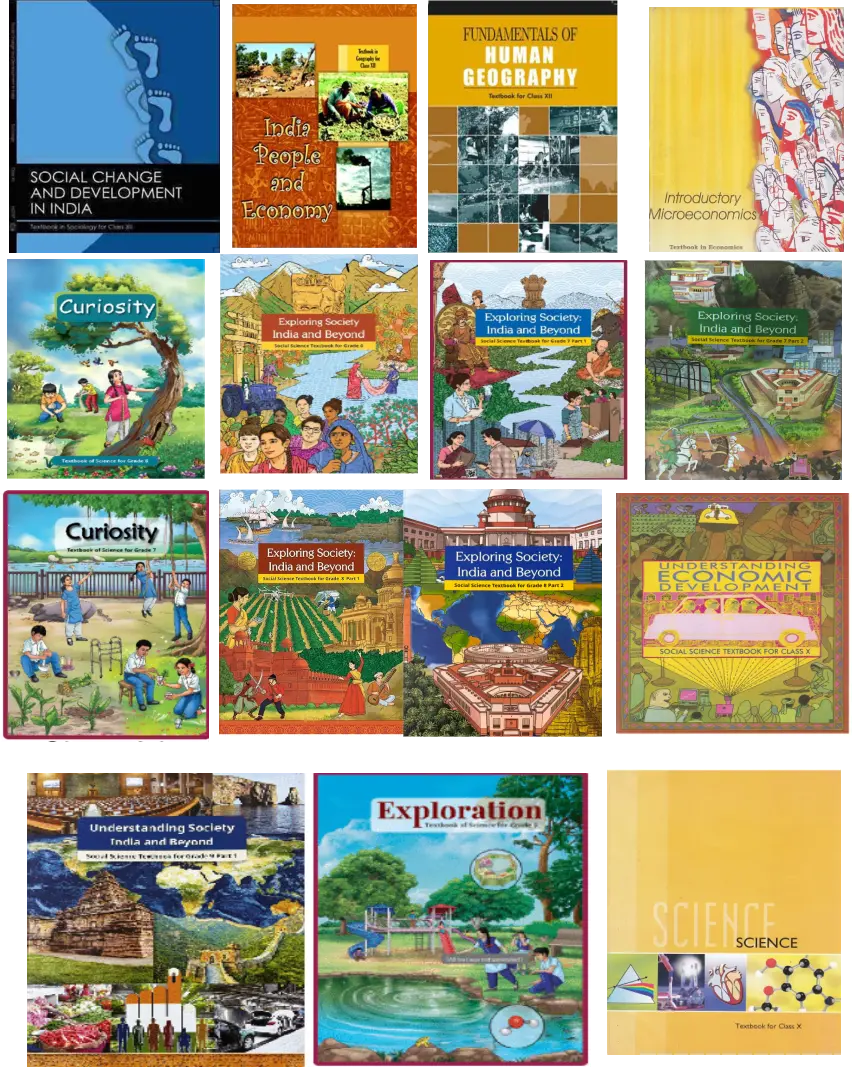
NCERT CLASS - 6 TO 12 BOOK SET ( HISTORY, GEOGRAPHY , POLITICAL SCIENCE , ECONOMICS ) Edition : 2026
NCERT Books (Classes 6–12) for UPSC PreparationMaster the fundamentals with NCERT books from Classes 6 to 12. Covering History, Geography, Polity, Economics, Science, and more, these books provide the strong conceptual foundation required for UPSC Civil Services Examination (Prelims & Mains). A must-have resource for every UPSC & State PSC aspirant.These combo set includes as per latest edition 2026:Class 6:NCERT Exploring Society India and beyondNCERT Curiosity (Science)Class 7:NCERT Exploring Society India and Beyond Part 1NCERT Exploring Society India and Beyond Part 1NCERT Curiosity (Science)Class 8:NCERT Exploring Society India and Beyond Part 1NCERT Exploring Society India and Beyond Part 2NCERT Curiosity (Science)Class 9:NCERT Science ExplorationNCERT Understanding Society India & Beyond Part 1NCERT Understanding Society India & Beyond Part 2Class 10:NCERT ScienceNCERT Understanding Economic Development NCERT India & Contemporary World II - HistoryNCERT Contemporary India - GeographyNCERT Democratic Politics IIClass 11:NCERT Themes of World HistoryNCERT An Introduction to Indian Art NCERT Indian Constitution at WorkNCERT Indian Economic DevelopmentNCERT Fundamental of Physical GeographyNCERT Political Theory part IINCERT India Physical EnvironmentNCERT Understanding Society Part IINCERT Knowledge Traditions and Practices of IndiaClass 12:NCERT Themes In Indian History Part I NCERT Themes In Indian History Part IINCERT Themes In Indian History Part IIINCERT Politics in India since Independence NCERT Contemporary World PoliticsNCERT MacroeconomicsNCERT An Introduction to Indian Art Part IINCERT Indian Society - SociologyNCERT Social Change & Development in IndiaNCERT India People and EconomyNCERT MicroeconomicsNCERT Fundamentals of Human GeographyWhy NCERT Books are EssentialStrong Conceptual Foundation: NCERTs break down complex topics in History, Geography, Polity, Economics, and Science into simple, logical, and easy-to-understand language. They are the recommended starting point for beginners to grasp fundamental concepts before moving on to advanced standard reference books.Reliability and Authenticity: Published by the Government of India, the content is considered 100% genuine, error-free, and unbiased, which helps eliminate confusion that might arise from unreliable coaching materials.Alignment with Syllabus: The topics covered in classes 6–12 align closely with the core subjects of the Civil Services examination syllabus.Direct Questions: UPSC frequently asks questions in the Prelims—and occasionally in the Mains—that are derived directly or indirectly from NCERT content.Enhancing Answer Writing: For the Mains stage, NCERTs provide valuable data, maps, diagrams, and illustrative examples that can significantly enrich your answers.Strategic Tips for PreparationSubject-Wise Approach: Instead of reading class-wise, it is often more effective to follow a subject-wise approach (e.g., finishing all Geography NCERTs before moving to History).Active Revision: To ensure retention, it is recommended to revise the books at least 2–3 times. Making short, bulleted notes during your first or second reading can streamline future revisions.Link with Current Affairs: Connect the static concepts learned in NCERTs with current events. For example, if a cyclone is in the news, revisit the climate chapters in your Geography textbooks.Integrate with PYQs: Always analyze Previous Year Questions (PYQs) alongside your study of NCERTs. This helps identify high-yield topics and understand how basic concepts are framed into exam questions.While NCERTs provide the necessary base, they are rarely sufficient on their own. Experts advise using them as a springboard to build your foundation, which then allows you to tackle more specialized standard reference books and current affairs effectively.
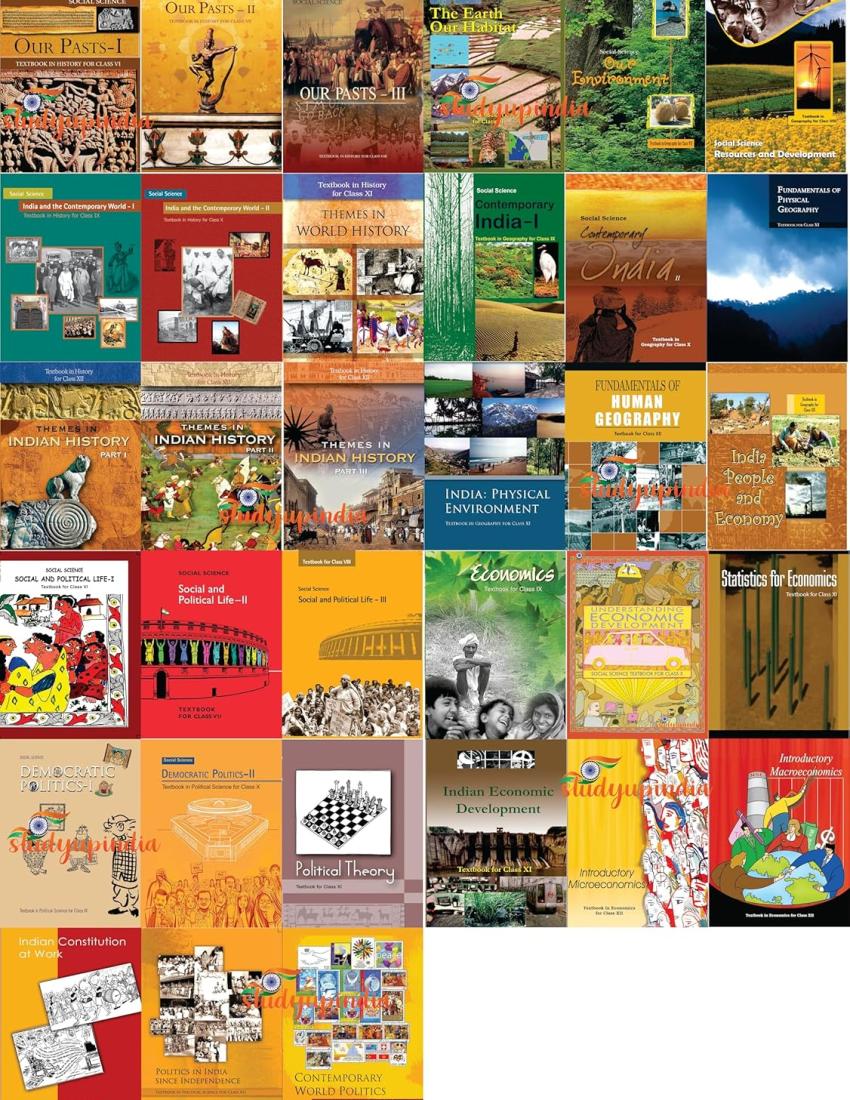
NCERT , CLASS - 6 TO 12 BOOK SET ( HISTORY, GEOGRAPHY , POLITICAL SCIENCE , ECONOMICS ) Edition : 2022
Book List suitable for UPSC and State PCS Exams Preparation:Name of Books:Our Pasts – IOur Pasts – IIOur Pasts – IIIThe Earth Our HabitatOur EnvironmentResources and DevelopmentIndia and the Contemporary World – IIndia and the Contemporary World – IIThemes in World HistoryContemporary India – IContemporary India – IIFundamentals of Physical GeographyThemes in Indian History – Part IThemes in Indian History – Part IIThemes in Indian History – Part IIIIndia: Physical EnvironmentFundamentals of Human GeographyIndia: People and EconomySocial and Political Life – ISocial and Political Life – IISocial and Political Life – IIIEconomics (Class IX)Understanding Economic DevelopmentStatistics for EconomicsDemocratic Politics – IDemocratic Politics – IIPolitical TheoryIndian Economic DevelopmentIntroductory MicroeconomicsIntroductory MacroeconomicsIndian Constitution at WorkPolitics in India Since IndependenceContemporary World PoliticsWhy NCERT Books are Essential Strong Conceptual Foundation: NCERTs break down complex topics in History, Geography, Polity, Economics, and Science into simple, logical, and easy-to-understand language. They are the recommended starting point for beginners to grasp fundamental concepts before moving on to advanced standard reference books. Reliability and Authenticity: Published by the Government of India, the content is considered 100% genuine, error-free, and unbiased, which helps eliminate confusion that might arise from unreliable coaching materials. Alignment with Syllabus: The topics covered in classes 6–12 align closely with the core subjects of the Civil Services examination syllabus. Direct Questions: UPSC frequently asks questions in the Prelims—and occasionally in the Mains—that are derived directly or indirectly from NCERT content. Enhancing Answer Writing: For the Mains stage, NCERTs provide valuable data, maps, diagrams, and illustrative examples that can significantly enrich your answers. Strategic Tips for Preparation Subject-Wise Approach: Instead of reading class-wise, it is often more effective to follow a subject-wise approach (e.g., finishing all Geography NCERTs before moving to History). Active Revision: To ensure retention, it is recommended to revise the books at least 2–3 times. Making short, bulleted notes during your first or second reading can streamline future revisions. Link with Current Affairs: Connect the static concepts learned in NCERTs with current events. For example, if a cyclone is in the news, revisit the climate chapters in your Geography textbooks. Integrate with PYQs: Always analyze Previous Year Questions (PYQs) alongside your study of NCERTs. This helps identify high-yield topics and understand how basic concepts are framed into exam questions. While NCERTs provide the necessary base, they are rarely sufficient on their own. Experts advise using them as a springboard to build your foundation, which then allows you to tackle more specialized standard reference books and current affairs effectively.
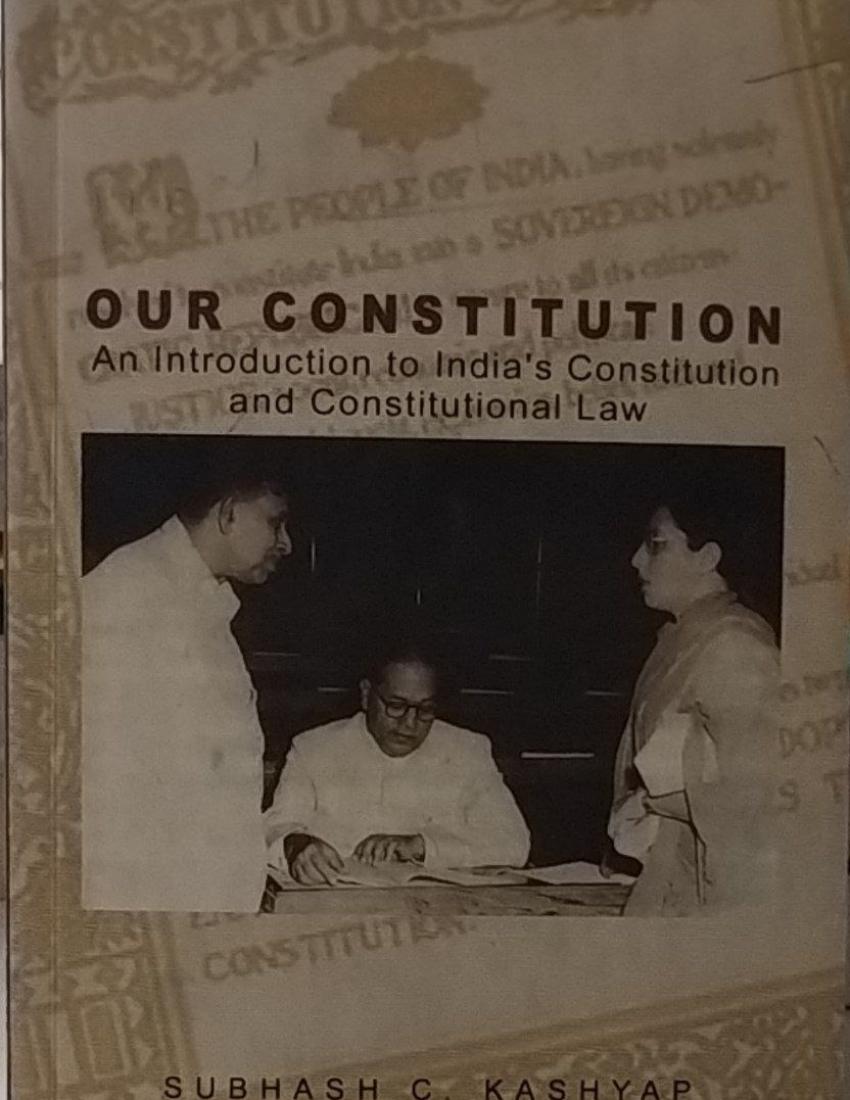
Our Constitution:An introduction to India's Constitution and Constitutional Law
Our Constitution: An Introduction to India’s Constitution and Constitutional Law is a concise and accessible book that explains the Indian Constitution, its structure, principles, institutions, and functioning in a reader-friendly manner.Book DescriptionThe book provides an introduction to the making and working of the Indian Constitution, covering important topics such as:The Constitutional history and Constituent AssemblyPreamble and fundamental constitutional valuesFundamental Rights and DutiesDirective Principles of State PolicyUnion and State governmentsParliament and State LegislaturesPresident, Prime Minister and Council of MinistersJudiciary and judicial reviewFederalism and Centre–State relationsConstitutional amendmentsEmergency provisionsElection system and constitutional bodiesImportant Supreme Court judgments and constitutional principlesThe book is particularly useful for students, UPSC/State PCS aspirants, law students, and readers who want to understand Indian constitutional law without beginning with a highly technical legal textbook.
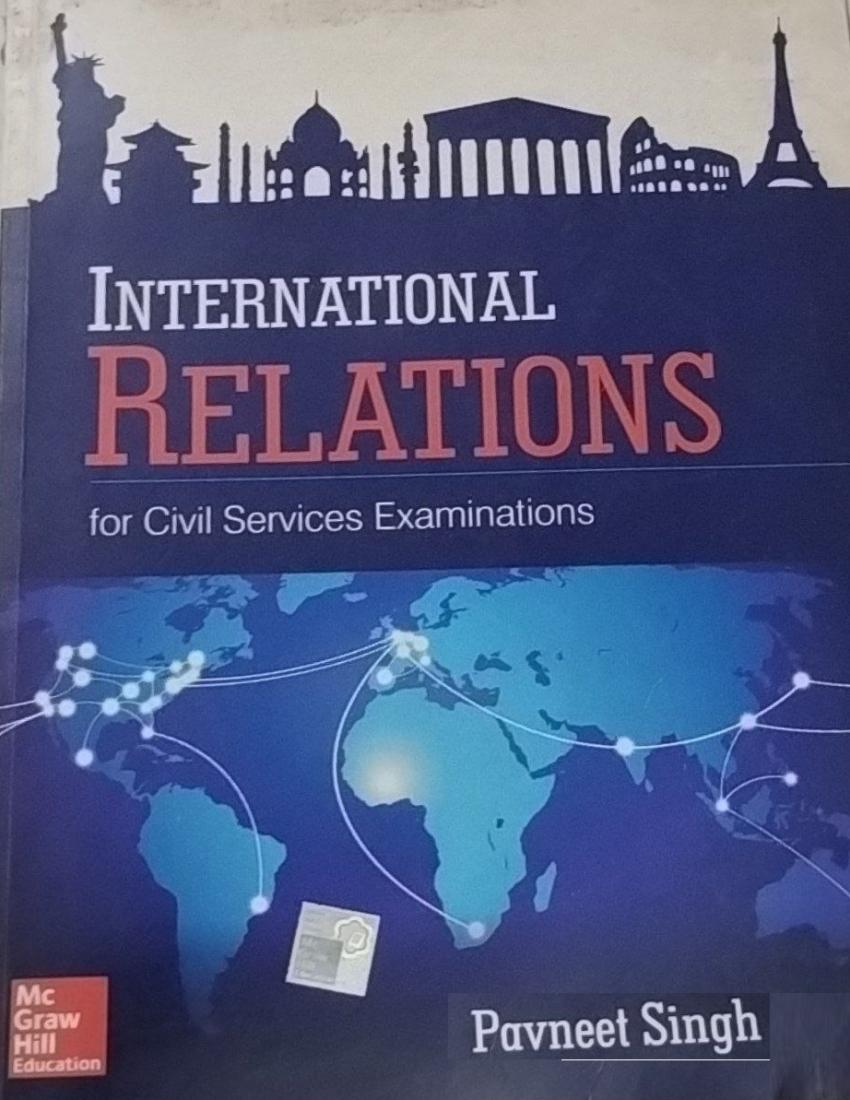
International Relations for UPSC / State PSCs civil services exams
International Relations for UPSC / State PSC Civil Services ExamsInternational Relations for UPSC / State PSC Civil Services Exams by Pavneet Singh is a comprehensive preparation book covering the major concepts, theories, contemporary global developments, and India’s foreign relations required for UPSC Civil Services and State PSC examinations.Key HighlightsCovers India’s foreign policy and diplomatic relationsExplains relations with major countries and neighbouring nationsCovers important international organizations such as the UN, WTO, IMF and World BankDiscusses global groupings and regional organizations such as G20, BRICS, SCO, ASEAN and QUADIncludes topics on international security, terrorism, nuclear issues and geopoliticsExplains India’s role in the changing global orderUseful for UPSC Prelims, Mains (GS Paper II) and State PSC examinationsWritten in an exam-oriented format with emphasis on concepts and contemporary issue
Mastering Modern World History by Norman Lowe
Edition : 5th Published by PALGRAVE MACMILLAN ISBN 978-1-137-48364-5 Note: Mastering Modern World History by Norman Lowe is a comprehensive and student-friendly history book that explains major world events from the late 18th century to the modern era. It covers key topics such as revolutions, world wars, political ideologies, international relations, decolonization, and global developments with clear analysis, factual accuracy, and exam-focused explanations. It is widely used by students preparing for competitive exams and advanced history studies.
India's Ancient Past by R.S. Sharma
India’s Ancient Past by R.S. Sharma — DescriptionIndia’s Ancient Past by R.S. Sharma is a comprehensive and accessible history book covering the political, social, economic, cultural, and religious development of ancient India from prehistoric times to the early medieval period.Key HighlightsCovers Prehistoric India and the Indus Valley CivilizationExplains the Vedic period and the rise of early statesDiscusses Buddhism, Jainism and other religious developmentsCovers the Mauryan Empire and AshokaExplores the Gupta period and post-Gupta developmentsExamines ancient India’s economy, agriculture, trade and urbanizationDiscusses social structures, caste, tribes and genderCovers developments in art, architecture, science and literatureUseful for understanding the historical background of Indian civilizationBest suited for: UPSC, State PSC, university students, and anyone looking for a structured understanding of Ancient Indian History.