Inspirational Book
Find reference notes, study guides, and dynamic curriculum files for inspirational book preparation.
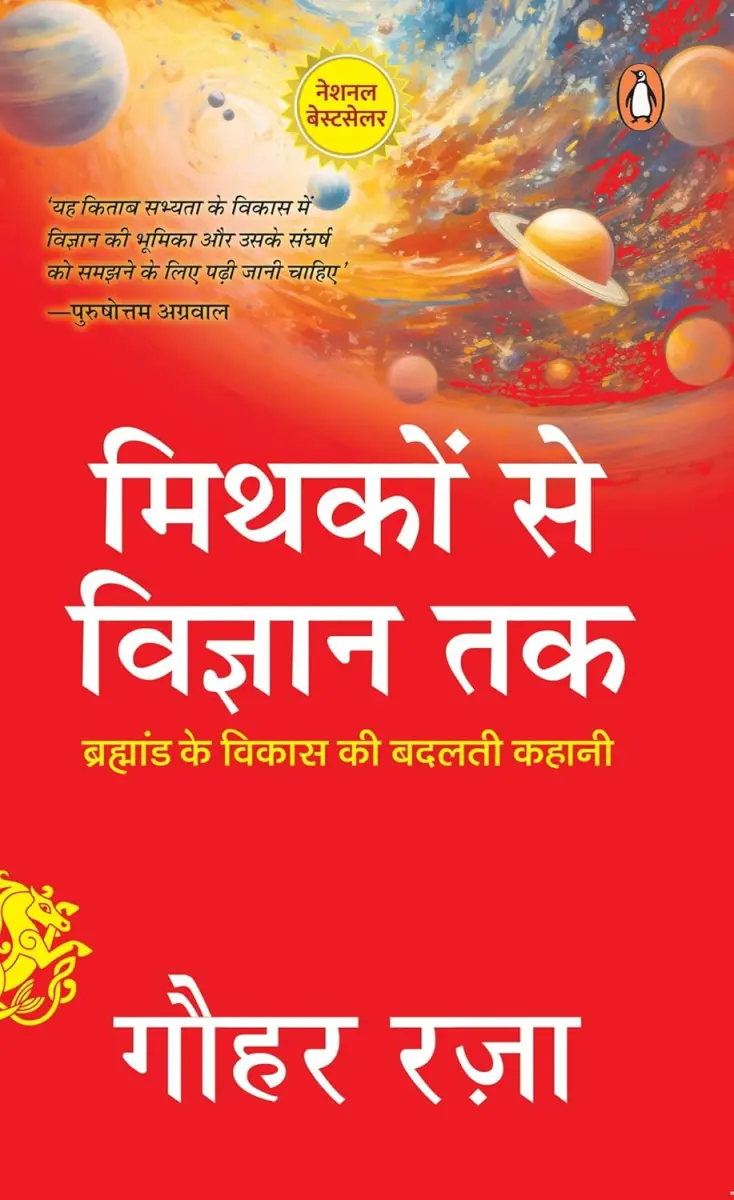
Mythakon Se Vigyan Tak / मिथकों से विज्ञान तक: Brahmand Ke Vikas Ki Badalti Kahani / ब्रह्मांड के विकास की बदलती कहानी
मिथकों से विज्ञान तक: ब्रह्मांड के विकास की बदलती कहानी :एक रोचक विज्ञान पुस्तक है जो ब्रह्मांड की उत्पत्ति और विकास को प्राचीन मिथकों, धार्मिक मान्यताओं तथा आधुनिक वैज्ञानिक खोजों के संदर्भ में प्रस्तुत करती है। सरल भाषा में लिखी गई यह पुस्तक बिग बैंग सिद्धांत, आकाशगंगाओं, तारों, ग्रहों और ब्रह्मांड के विकास से जुड़े वैज्ञानिक तथ्यों को सहज रूप से समझाती है। यह विद्यार्थियों, प्रतियोगी परीक्षा अभ्यर्थियों, विज्ञान प्रेमियों तथा सामान्य पाठकों के लिए समान रूप से उपयोगी है।मुख्य विशेषताएँमिथकों से आधुनिक विज्ञान तक ब्रह्मांड की समझ का विकास।बिग बैंग सिद्धांत एवं ब्रह्मांड के विकास की सरल व्याख्या।खगोल विज्ञान और ब्रह्मांड विज्ञान से जुड़े रोचक तथ्य।सरल एवं सहज भाषा में प्रस्तुत।विद्यार्थियों, प्रतियोगी परीक्षाओं के अभ्यर्थियों और विज्ञान में रुचि रखने वाले पाठकों के लिए उपयोगी।
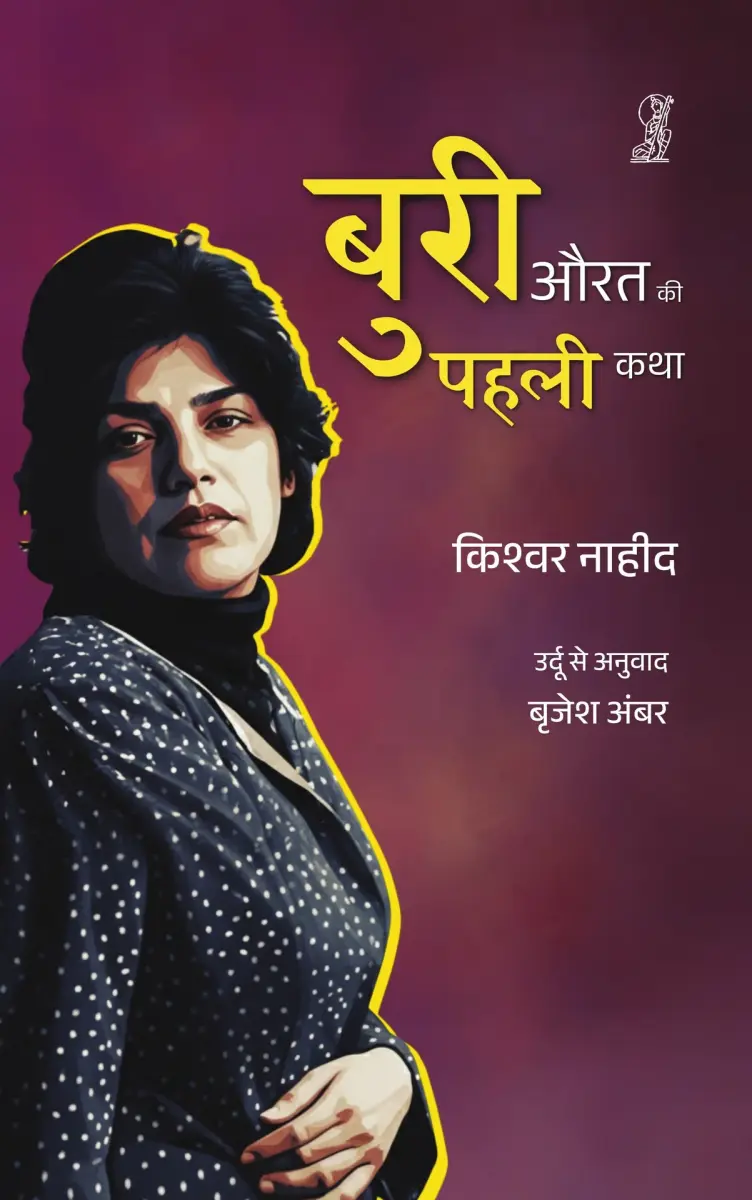
Buri Aurat Ki Pahali Katha (बुरी औरत की पहली कथा)
पुस्तक विवरण:संक्षिप्त परिचययह पाकिस्तान की प्रसिद्ध नारीवादी कवयित्री और लेखिका किश्वर नाहीद की चर्चित आत्मकथा का पहला भाग है। इसमें उनके बचपन, परिवार, सामाजिक बंधनों, स्त्री-असमानता, शिक्षा, साहित्यिक जीवन और पितृसत्तात्मक समाज के विरुद्ध उनके संघर्ष का सशक्त चित्रण मिलता है। यह केवल एक व्यक्तिगत जीवन-कथा नहीं, बल्कि दक्षिण एशियाई समाज में महिलाओं की स्थिति और सामाजिक बदलाव का महत्वपूर्ण दस्तावेज़ भी है। संक्षिप्त परिचय: किश्वर नाहीदकिश्वर नाहीद का जन्म सन् 1940 में एक पारम्परिक मध्यवर्गीय घराने में हुआ था। सन् 1949 में पश्चिमी उत्तर प्रदेश के बुलन्दशहर से वह अपने परिवार के साथ लाहौर चली गयीं। उनके पहले कविता-संग्रह, लब-ए गोया (1968), ने उन्हें एक नयी बुलन्द आवाज़ के रूप में पहचान दी और पाकिस्तान के नारीवादी आन्दोलन में विशेष भूमिका के साथ स्थापित किया। जनरल ज़िया-उल-हक़ की ज़्यादतियों के बीच उनकी कविता हम गुनहगार औरतें फ़ासीवादी सियासत के विरोध का समूहगान बन गयी और तब से अब तक प्रतिरोध का एक स्थायी प्रतीक बनी हुई है। उनके प्रत्येक कविता-संग्रह ने मानवाधिकारों और प्रगतिशील सोच वाली बुलन्द आवाज़ के रूप में उनकी प्रतिष्ठा को बढ़ाया है। उनकी कृतियों में वर्क़ वर्क़ आईना, गलियन धूप दरवाज़े, औरत-मर्द का रिश्ता, रात के मुसाफ़िर, शेर और बकरी, जादू की हँडिया, चाँद की बेटी, आबाद ख़राबा और उनकी आत्मकथा बुरी औरत की ख़ता शामिल हैं। उनकी संगृहीत कृतियाँ कुल्लियात दश्त-ए-क़ैस में लैला में पायी जा सकती हैं।

Kurukshetra by Ramdhari Singh Dinkar | कुरुक्षेत्र
कुरुक्षेत्र हरियाणा का एक प्रसिद्ध धार्मिक एवं ऐतिहासिक नगर है। इसे महाभारत के युद्धस्थल और भगवान श्रीकृष्ण द्वारा अर्जुन को श्रीमद्भगवद्गीता का उपदेश देने के स्थान के रूप में जाना जाता है। यह हिंदू धर्म का एक महत्वपूर्ण तीर्थस्थल है।Description :Kurukshetra (कुरुक्षेत्र) by Ramdhari Singh Dinkar is a renowned Hindi literary work inspired by the Mahabharata and the aftermath of the Kurukshetra War. Through powerful poetry and philosophical reflection, Dinkar explores themes of war and peace, morality, justice, human values, violence, sacrifice and social responsibility.The book goes beyond the historical and mythological narrative of the Mahabharata and raises important questions about the consequences of war and the pursuit of peace. Dinkar's powerful language and thought-provoking verses make Kurukshetra an important work for readers interested in Hindi literature, Indian philosophy, poetry and modern Hindi literary studies.Kurukshetra by Ramdhari Singh Dinkar | कुरुक्षेत्रKurukshetra by Ramdhari Singh Dinkar is a powerful Hindi poetic work that revisits the legendary Mahabharata war to explore timeless questions of war, peace, justice, morality, duty, and humanity. Rather than presenting Kurukshetra merely as an ancient battlefield, Dinkar transforms it into a profound reflection on the consequences of violence and the eternal struggle between righteousness and destruction.Written in a stirring and deeply philosophical style, Kurukshetra examines the human cost of war and the suffering left behind even after victory is achieved. Through the voices and reflections associated with the aftermath of the Mahabharata, the poem raises important questions about whether war can truly bring justice and whether peace can survive without confronting injustice. Dinkar’s poetry gives particular importance to compassion, ethical responsibility, and the need to build a society founded on justice.The work draws inspiration from the Shanti Parva and related philosophical dimensions of the Mahabharata, using the epic past to engage with concerns relevant to the modern world. Its themes extend beyond mythology, touching upon social responsibility, political morality, human dignity, and the destructive consequences of unchecked power.Known for his powerful language, emotional intensity, and national consciousness, Dinkar combines epic imagery with philosophical thought, making Kurukshetra both a literary masterpiece and a work of social reflection. His verses carry the grandeur of the Mahabharata while remaining accessible to readers interested in questions that continue to shape human civilization.For readers of Hindi literature, Indian epics, poetry, philosophy, and socially conscious writing, Kurukshetra offers a compelling journey through the battlefield of history and the battlefield within the human conscience. It is a memorable work that encourages readers to reflect on war and peace, justice and power, duty and compassion, and the true meaning of victory.
Kamayani by Jaishankar Prasad | Hindi Mahakavya | Chhayavad Yug Ki Prasiddh Rachna | Hindi Literature Book |
Kamayani by Jaishankar Prasad | Hindi Mahakavya | Chhayavad Yug Ki Prasiddh Rachna | Hindi Literature BookKamayani by Jaishankar Prasad is one of the most celebrated masterpieces of modern Hindi literature and a landmark work of the Chhayavad Yug. First published in 1936, this philosophical Hindi epic beautifully combines poetry, mythology, symbolism, emotion, and profound reflections on human existence. Set against the backdrop of the legendary Manu and the great flood, the poem explores the journey of human consciousness and civilization through powerful characters and symbolic ideas.At the heart of Kamayani are Manu, Shraddha, and Ida, who represent different dimensions of human life and consciousness. Manu symbolizes the thinking and struggling human being, Shraddha embodies faith, love, emotion, and compassion, while Ida represents intellect, reason, knowledge, and practical understanding. Through their interactions and conflicts, Jaishankar Prasad explores the delicate relationship between emotion and intellect, faith and reason, desire and action, happiness and suffering.The epic is divided into various sargas, each reflecting a particular emotional or philosophical state. Prasad’s rich poetic language, imaginative imagery, symbolism, and lyrical beauty give Kamayani a distinctive place in Hindi poetry. Beneath its mythological narrative lies a deeper inquiry into the challenges of human civilization and the search for harmony within the individual and society.As a major work of Chhayavad literature, Kamayani demonstrates Jaishankar Prasad’s mastery of poetic expression and philosophical thought. It continues to attract students, researchers, literature enthusiasts, and readers interested in Hindi poetry, Indian philosophy, mythology, and literary symbolism.For anyone seeking to understand the richness of Hindi Mahakavya and Chhayavad-era literature, Kamayani offers an unforgettable literary experience—one that invites readers to explore the human mind, emotions, aspirations, conflicts, and the eternal quest for balance and fulfillment.
Chandragupt (Hindi) by Jaishankar Prasad | चन्द्रगुप्त | Hindi Historical Drama Book
Chandragupt (Hindi) by Jaishankar Prasad | चन्द्रगुप्त | Hindi Historical Drama BookChandragupt by Jaishankar Prasad is a celebrated Hindi historical drama that brings the fascinating world of ancient India to life through a compelling blend of history, politics, patriotism, ambition, love, and human conflict. Set against the backdrop of the Mauryan period, the play dramatizes the rise of Chandragupta Maurya and the political circumstances that shaped the establishment of a powerful empire.Jaishankar Prasad, one of the leading figures of modern Hindi literature and Chhayavad, combines historical material with imaginative storytelling to create a dramatic narrative filled with memorable characters and powerful dialogues. At the center of the play is Chandragupta, whose journey from an aspiring young leader to a powerful ruler forms the central dramatic arc. His relationship with Chanakya, the strategist and political thinker, adds another important dimension to the story, highlighting questions of leadership, strategy, statecraft, and national unity.The play also portrays the complex political landscape of ancient India, including rival kingdoms, court intrigues, shifting alliances, and struggles for power. Alongside political developments, Prasad weaves elements of romance, personal sacrifice, loyalty, and emotional conflict into the narrative, giving the historical setting a distinctly human dimension.One of the notable features of Chandragupt is Prasad’s rich and elegant Hindi. His poetic expression, dramatic imagination, and vivid characterization make the work an important contribution to Hindi historical drama.
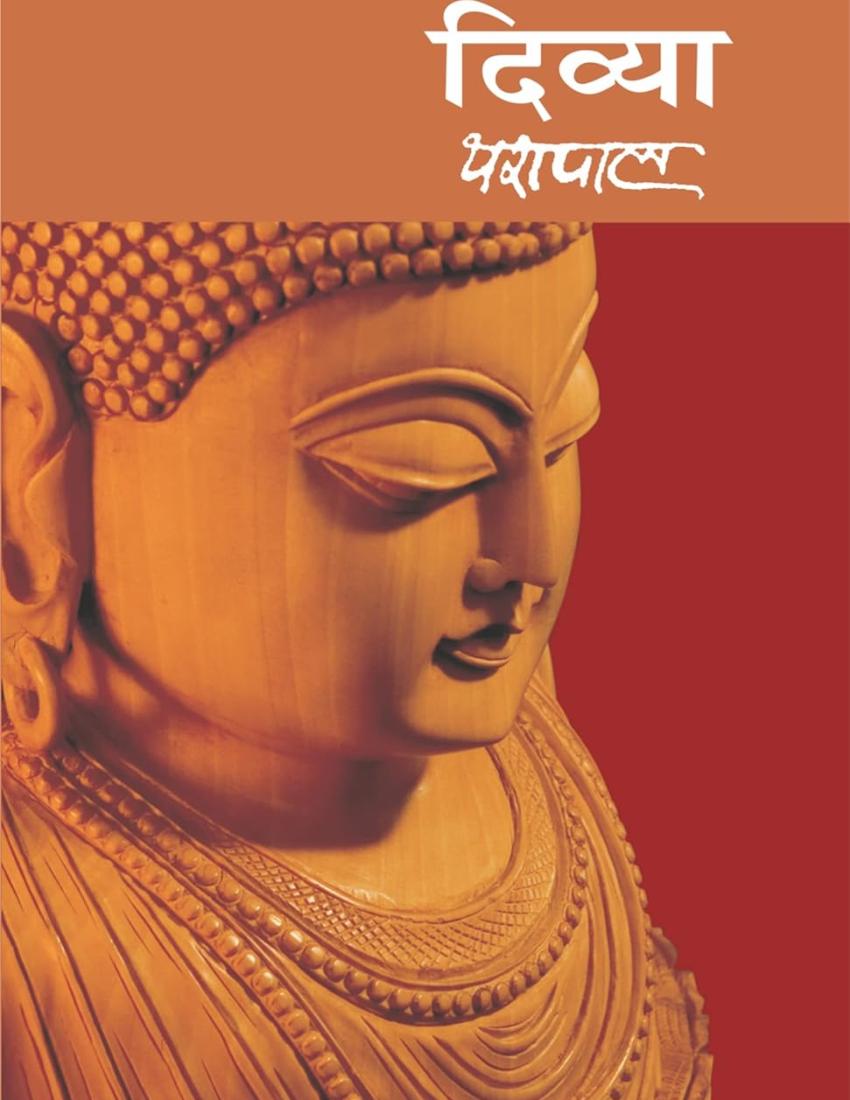
Divya by Yashpal | दिव्या | Classic Hindi Historical Novel | Hindi Literature Book
Divya by Yashpal | दिव्या | Classic Hindi Historical Novel | Hindi Literature BookDivya by Yashpal is a celebrated Hindi historical novel that combines a richly imagined ancient setting with a compelling story of love, social inequality, power, freedom, and human struggle. Set against the backdrop of ancient India, the novel follows the life and experiences of Divya, a young woman whose journey brings her into contact with different layers of society, revealing the complexities of relationships, customs, authority, and social values.Yashpal uses the historical setting not simply to recreate the past but to examine important questions about society, class, gender, individual freedom, and human dignity. Through Divya’s experiences, the novel presents a world shaped by social hierarchies, political interests, religious institutions, and changing relationships. Her journey becomes a way of exploring the conflict between personal aspirations and the restrictions imposed by society.One of the distinctive strengths of Divya is its detailed portrayal of the social and cultural atmosphere of ancient India. Yashpal combines historical imagination with fictional characters and situations, creating a narrative that is both engaging and thought-provoking. The novel explores how social structures influence individual lives and how people respond when their desires and circumstances come into conflict.Written in expressive Hindi, Divya reflects Yashpal’s characteristic interest in social realities and human relationships. The story moves beyond romance and historical adventure to examine questions of identity, dignity, choice, and freedom. Its characters are shaped by their circumstances but also struggle to determine their own paths.
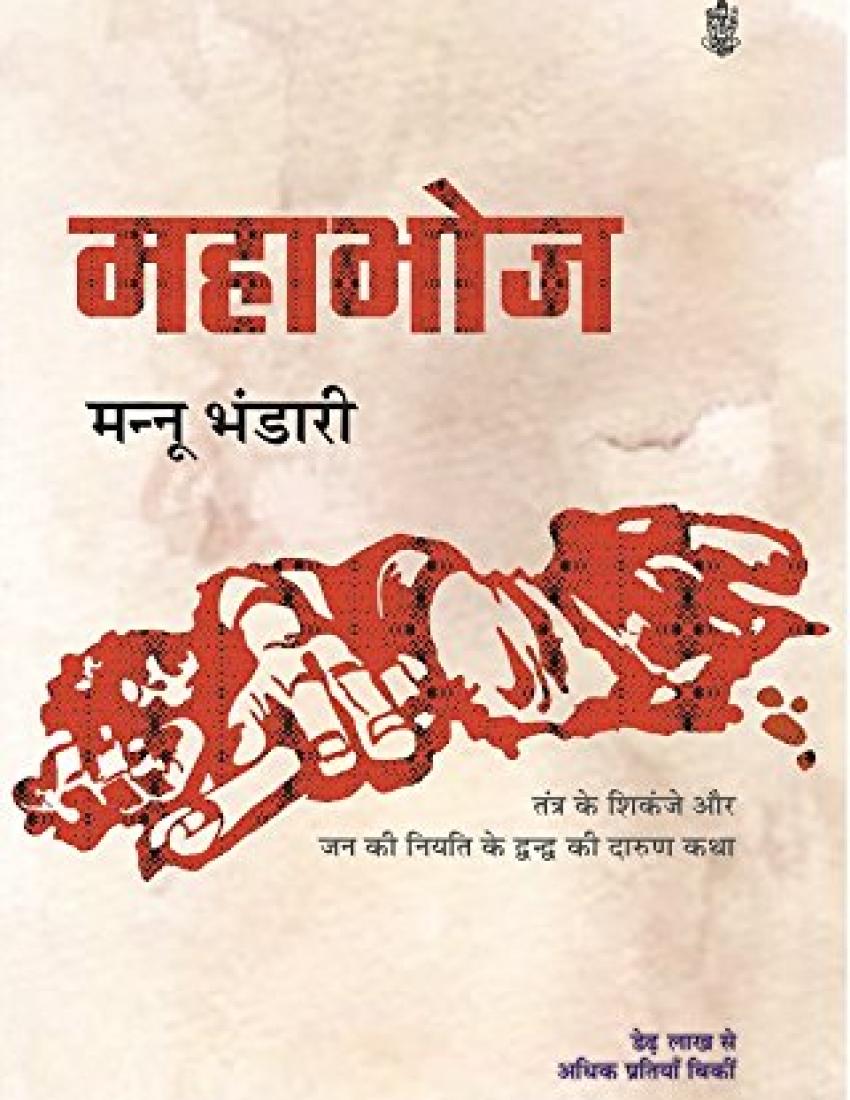
Mahabhoj by Mannu Bhandari | महाभोज | Famous Hindi Novel | Hindi Literature Book
Mahabhoj by Mannu Bhandari | महाभोज | Famous Hindi Novel | Hindi Literature BookMahabhoj by Mannu Bhandari is a powerful and thought-provoking Hindi novel that explores the complex relationship between politics, power, society, and the common people. Known for its sharp social observation and realistic portrayal of political life, the novel presents a fictional world in which questions of justice, responsibility, ambition, and public interest become deeply intertwined with the pursuit of political power.At the heart of Mahabhoj lies the aftermath of a tragic incident that becomes the center of political and social maneuvering. As different groups attempt to use the situation for their own interests, the novel reveals how ordinary people can become caught between powerful institutions and competing agendas. Through its characters and events, Mannu Bhandari examines the gap that can exist between public promises and political realities.The novel presents a wide range of characters representing different sections of society, including politicians, administrators, activists, journalists, and ordinary citizens. Their interactions create a compelling picture of a society where personal interests, institutional power, social inequality, and political calculations influence decisions.One of the major strengths of Mahabhoj is its realistic narrative style. Mannu Bhandari avoids excessive ornamentation and instead uses direct, engaging storytelling to highlight the human and social consequences of political conflict. The novel raises important questions about democracy, accountability, social justice, manipulation, and the voice of marginalized communities without reducing its characters to simple stereotypes.A significant work of modern Hindi literature, Mahabhoj remains relevant for readers interested in Hindi novels, political fiction, social literature, and contemporary Indian society. It is also an important text for students studying Mannu Bhandari and modern Hindi fiction.With its gripping narrative and incisive social perspective, Mahabhoj invites readers to look beyond political appearances and consider how power operates within society. It remains a memorable work of Hindi literature that combines storytelling with a serious examination of social and political realities.
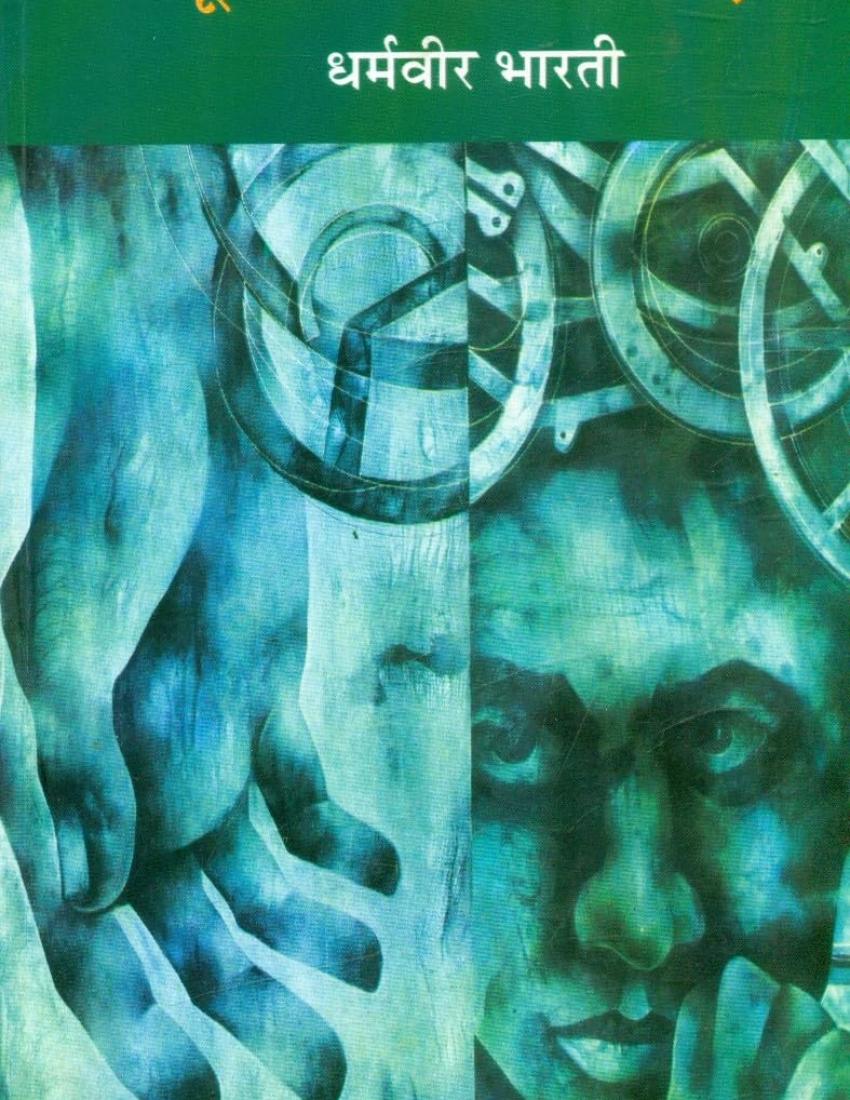
Suraj Ka Satwan Ghoda by Dharamvir Bharati | सूरज का सातवाँ घोड़ा | Classic Hindi Novel | Hindi Literature Book
Suraj Ka Satwan Ghoda by Dharamvir Bharati | सूरज का सातवाँ घोड़ा | Classic Hindi Novel | Hindi Literature BookSuraj Ka Satwan Ghoda by Dharamvir Bharati is a celebrated classic of modern Hindi literature, known for its unique narrative style, memorable characters, and thoughtful exploration of love, relationships, society, memory, and human emotions. First published in 1952, the novel occupies an important place in Hindi fiction and demonstrates Bharati’s distinctive approach to storytelling.The novel revolves around Manik Mulla, a central narrator who shares a series of interconnected stories with his friends. Through these stories, different dimensions of love and human relationships gradually unfold. The narrative moves between different characters, experiences, and perspectives, creating a fascinating structure in which reality, memory, storytelling, and interpretation become closely connected.The title Suraj Ka Satwan Ghoda—“The Seventh Horse of the Sun”—is deeply symbolic. Drawing upon the traditional image of the Sun’s chariot and its horses, the title suggests movement, continuity, hope, and the possibility of reaching beyond the limitations of ordinary experience. The novel uses this symbolism to enrich its exploration of human aspirations and relationships.Rather than presenting love as a simple or idealized emotion, Bharati examines its many forms and contradictions. The stories explore affection, attraction, disappointment, sacrifice, social expectations, and the circumstances that shape personal choices. Alongside romance, the novel also reflects on class differences, economic realities, gender relations, and changing social values.One of the most distinctive features of the book is its layered storytelling. The characters and their stories are connected through Manik Mulla’s narration, encouraging readers to question how stories are remembered, interpreted, and retold.
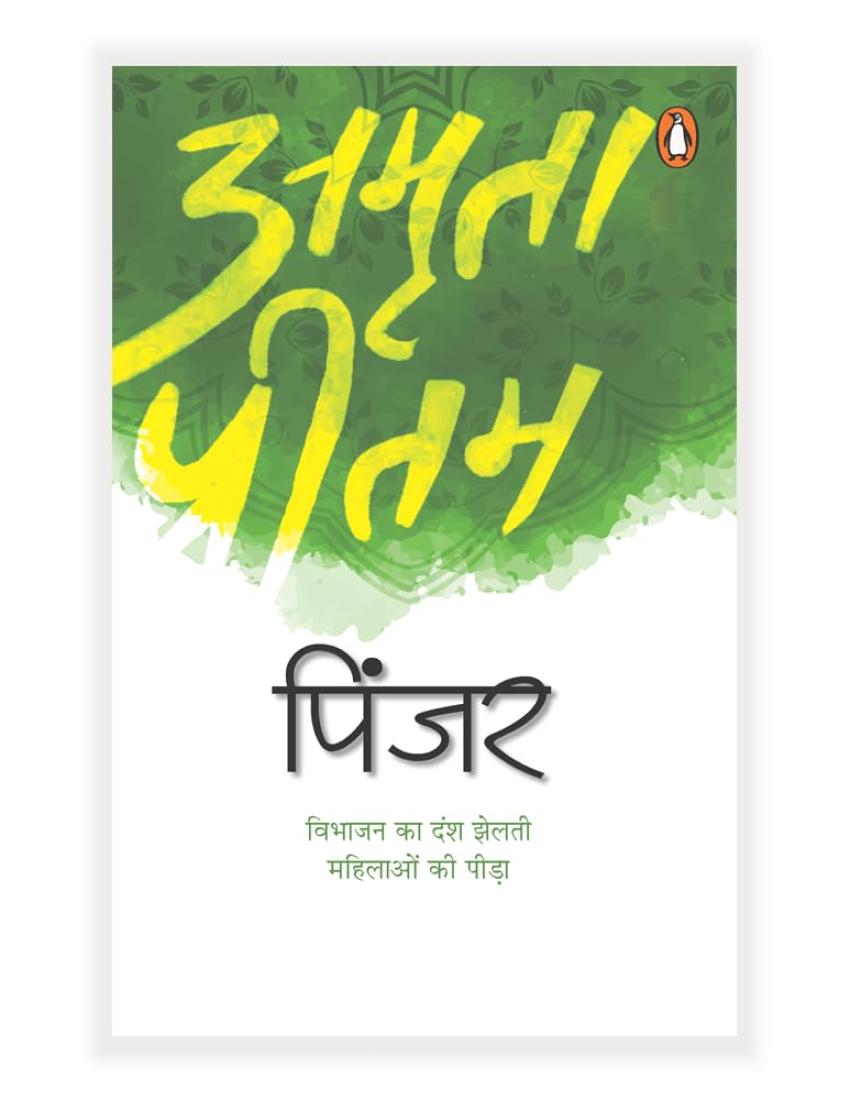
Pinjar (Hindi) by Amrita Pritam | पिंजर | Partition-Era Hindi Novel | Womanhood, Pain & Redemption | Hindi Literature Book
Pinjar (Hindi) by Amrita Pritam | पिंजर | Partition-Era Hindi Novel | Womanhood, Pain & Redemption | Hindi Literature BookPinjar by Amrita Pritam is a powerful and deeply moving classic of Hindi-Punjabi literature, set against the turbulent backdrop of the Partition of India. Through the life of Puro, the novel explores the devastating impact of communal violence and displacement while examining themes of womanhood, identity, love, loss, dignity, and human compassion.The story follows Puro, a young woman whose life changes dramatically when she is abducted and separated from the world she once knew. Her experiences force her to confront circumstances shaped by violence, social divisions, family honor, and rigid expectations placed upon women. As her journey unfolds, she faces difficult questions about identity and belonging, while the boundaries between victim, survivor, family, and society become increasingly complicated.Amrita Pritam’s narrative does not treat Partition merely as a historical event. Instead, it reveals its human consequences, particularly for women whose lives were often disrupted by abduction, forced displacement, separation, and social stigma. Through Puro’s experiences, the novel gives emotional depth to the stories of individuals caught in the upheaval of history.The title Pinjar, meaning “skeleton” or “cage,” carries powerful symbolic significance. It reflects both physical and emotional confinement and the ways in which social circumstances can restrict an individual’s freedom and identity. Yet the novel also explores resilience, compassion, and the possibility of finding dignity amid profound suffering.Written with emotional intensity and remarkable sensitivity, Pinjar is notable for its portrayal of complex human relationships and its nuanced treatment of pain and redemption. It invites readers to reflect on the consequences of hatred and division while emphasizing the humanity that can survive even in times of extreme violence.
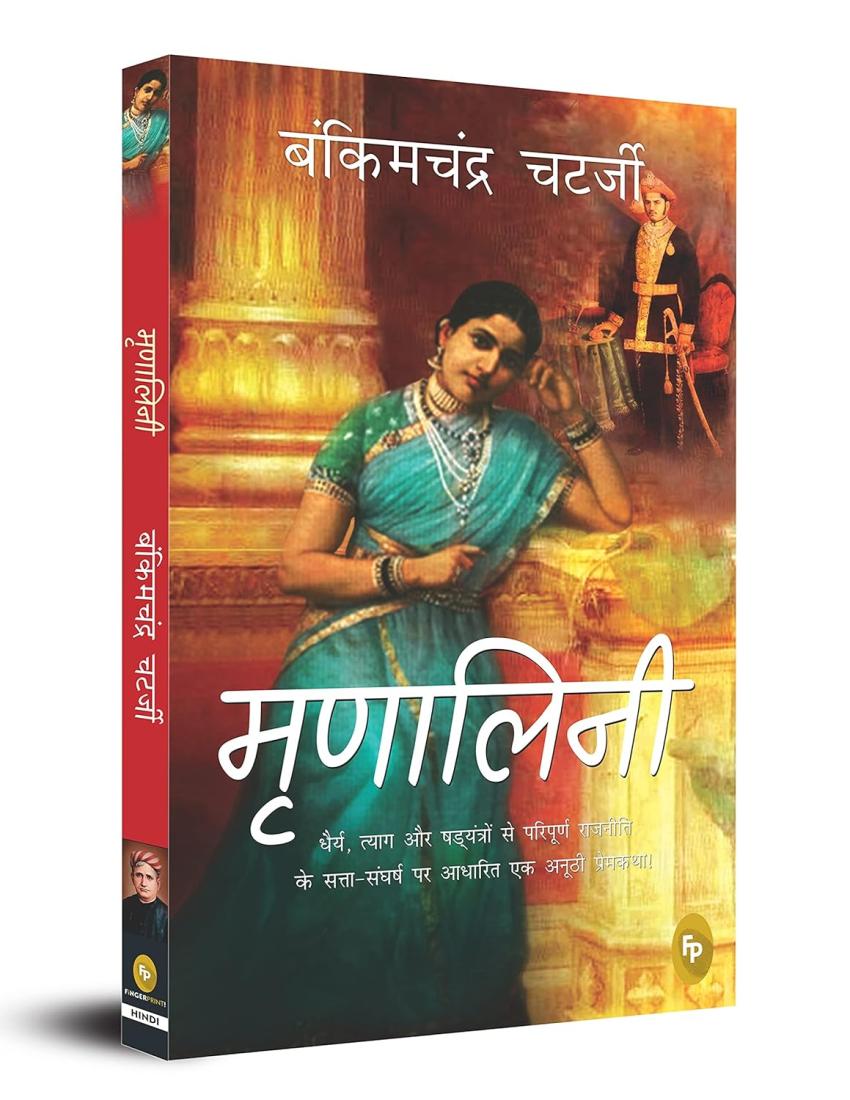
Mrinalini (Hindi) by Bankim Chandra Chattopadhyay | मृणालिनी | Historical Hindi Novel | Classic Indian Literature Book
Mrinalini (Hindi) by Bankim Chandra Chattopadhyay | मृणालिनी | Historical Hindi Novel | Classic Indian Literature BookMrinalini by Bankim Chandra Chattopadhyay is a celebrated historical romance that blends love, political conflict, sacrifice, loyalty, and the dramatic atmosphere of medieval India. Originally written in Bengali, the novel has remained an important part of Indian literary heritage and is widely read in Hindi translation by readers interested in classic Indian literature and historical fiction.Set against the backdrop of the Turkish invasion of Bengal, the story brings together personal relationships and larger historical events. At its center is Hemchandra, a young man whose love for Mrinalini becomes entangled with questions of duty, political circumstances, family expectations, and the fate of his homeland. As the narrative develops, personal emotions collide with ambition, loyalty, and the uncertainties created by political upheaval.Bankim Chandra combines historical imagination with romance and adventure to create a narrative filled with suspense and emotional conflict. The characters are placed in situations where they must make difficult choices, often balancing personal desires against responsibilities toward family, society, and larger ideals. Through these conflicts, the novel explores themes of love, sacrifice, courage, loyalty, duty, and betrayal.One of the notable qualities of Mrinalini is the way Bankim Chandra integrates historical events with fictional characters and dramatic situations. The historical background provides scale and tension, while the personal stories give the narrative its emotional appeal. Readers encounter political intrigue, changing loyalties, dramatic encounters, and relationships shaped by the turbulent circumstances of the period.The novel also reflects Bankim Chandra’s interest in Indian history and cultural identity. His vivid storytelling and strong characterization have helped Mrinalini retain its place among classic works of Indian fiction.
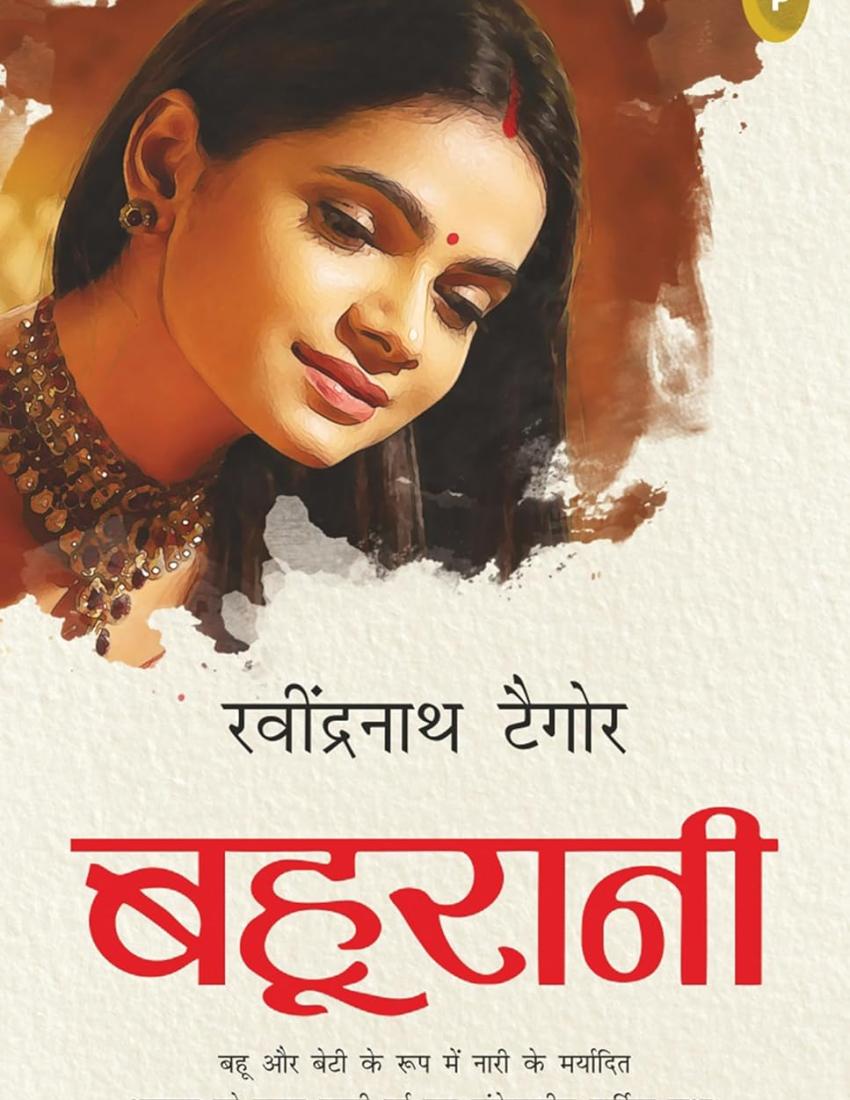
Bahurani by Rabindranath Tagore Classic Hindi Novel
Bahurani by Rabindranath Tagore | बहुरानी | Classic Hindi Novel | Indian Literature BookBahurani by Rabindranath Tagore is a compelling work of Indian literature that explores human relationships, family expectations, social customs, emotional conflicts, and the position of women within traditional society. Known for his sensitive portrayal of human emotions, Tagore creates characters whose personal desires and struggles reveal the complexities of relationships shaped by family, tradition, and social expectations.The title Bahurani, meaning “daughter-in-law”, points toward the central importance of family and domestic relationships. Through the experiences of its characters, the narrative examines the pressures placed upon individuals within a conventional household and the ways in which affection, responsibility, duty, and social norms influence personal choices.Tagore’s storytelling is marked by psychological depth and emotional sensitivity. Rather than relying solely on dramatic events, he focuses on the inner world of his characters—their hopes, disappointments, relationships, conflicts, and aspirations. This approach gives the narrative a deeply human quality and allows readers to connect with characters facing circumstances that are shaped by both personal emotions and social structures.The work also reflects Tagore’s broader literary interest in women’s lives, family relationships, individuality, social conventions, and human dignity. His characters often find themselves caught between established traditions and the desire for emotional freedom and self-expression. These tensions provide the foundation for meaningful reflection on changing social values.For readers interested in classic Indian literature, Hindi translations of Tagore’s works, family-centered fiction, women’s literature, and socially sensitive storytelling, Bahurani offers an engaging reading experience. Its emphasis on relationships and human emotions makes it accessible to readers across generations.
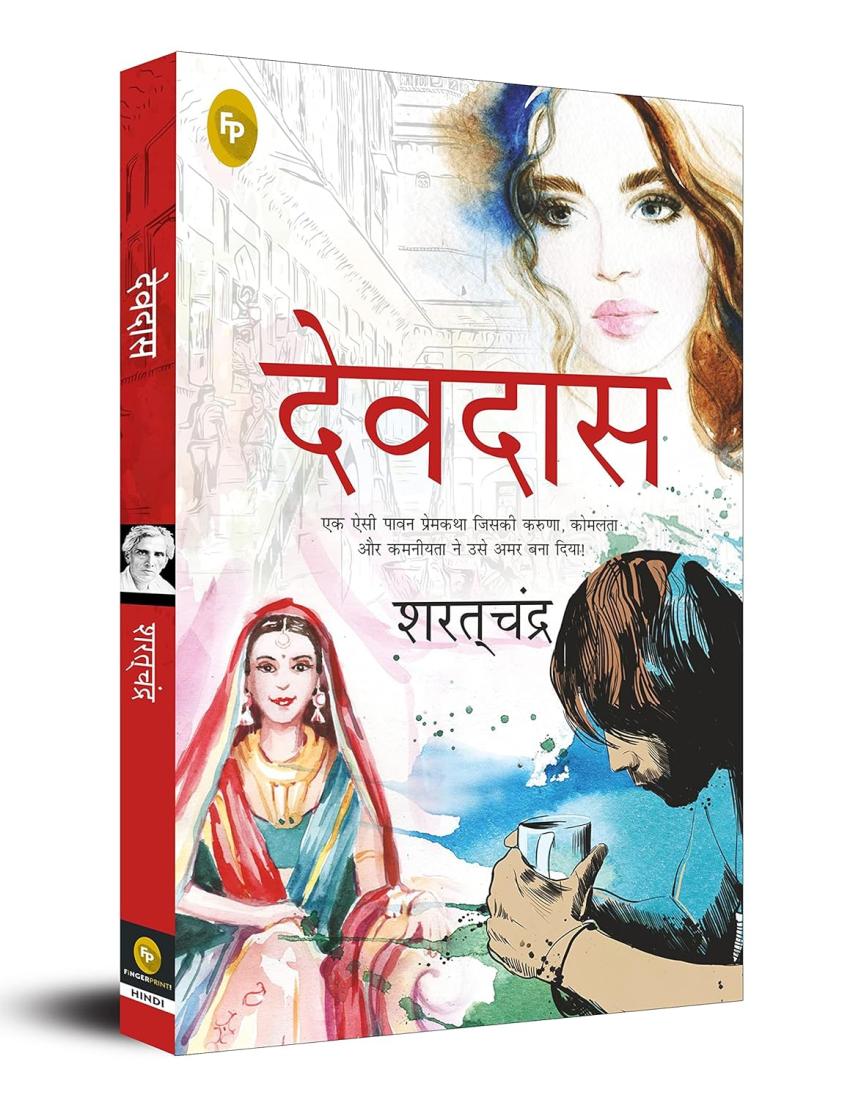
Devdas (Hindi) by Sharat Chandra Chattopadhyay | Hindi Novel
Devdas (Hindi) by Sharat Chandra Chattopadhyay | देवदास | Classic Hindi Novel | Indian LiteratureDevdas by Sharat Chandra Chattopadhyay is one of the most widely recognized works of Indian literature, known for its poignant portrayal of love, separation, social expectations, and emotional conflict. Originally written in Bengali, the novel has been translated into Hindi and numerous other Indian and international languages, allowing its story and characters to reach generations of readers.At the heart of the novel is Devdas, a young man caught between his feelings for Parvati (Paro) and the social and familial circumstances that prevent their relationship from developing as they wish. Their bond, shaped by childhood familiarity and deep affection, is challenged by differences in family expectations and social conventions. Devdas struggles to make decisive choices, and the consequences of his indecision shape the course of his life.The novel also introduces Chandramukhi, whose relationship with Devdas adds another emotional dimension to the story. Her compassion and understanding contrast with the social judgments surrounding her life, allowing Sharat Chandra to explore themes of dignity, empathy, and human connection beyond conventional social boundaries.Rather than presenting love as a simple romantic ideal, Devdas examines how social customs, family expectations, personal choices, pride, and emotional vulnerability can influence human relationships. The restrained and emotionally sensitive writing gives the characters psychological depth while keeping the narrative intimate and accessible.Sharat Chandra’s prose is noted for its simplicity and emotional power. He focuses on ordinary human feelings—love, longing, regret, loneliness, attachment, and sacrifice—making the story deeply relatable despite its historical and cultural setting.For readers interested in classic Hindi novels, Indian literature, romantic fiction, and timeless stories of human relationships, Devdas remains an important literary work. This Hindi edition offers readers an opportunity to experience Sharat Chandra’s enduring story in a language that brings its emotional nuances and memorable characters closer to contemporary Hindi readers.Devdas is ultimately a story about love and loss, but also about the consequences of choices and the powerful influence of society on individual lives.
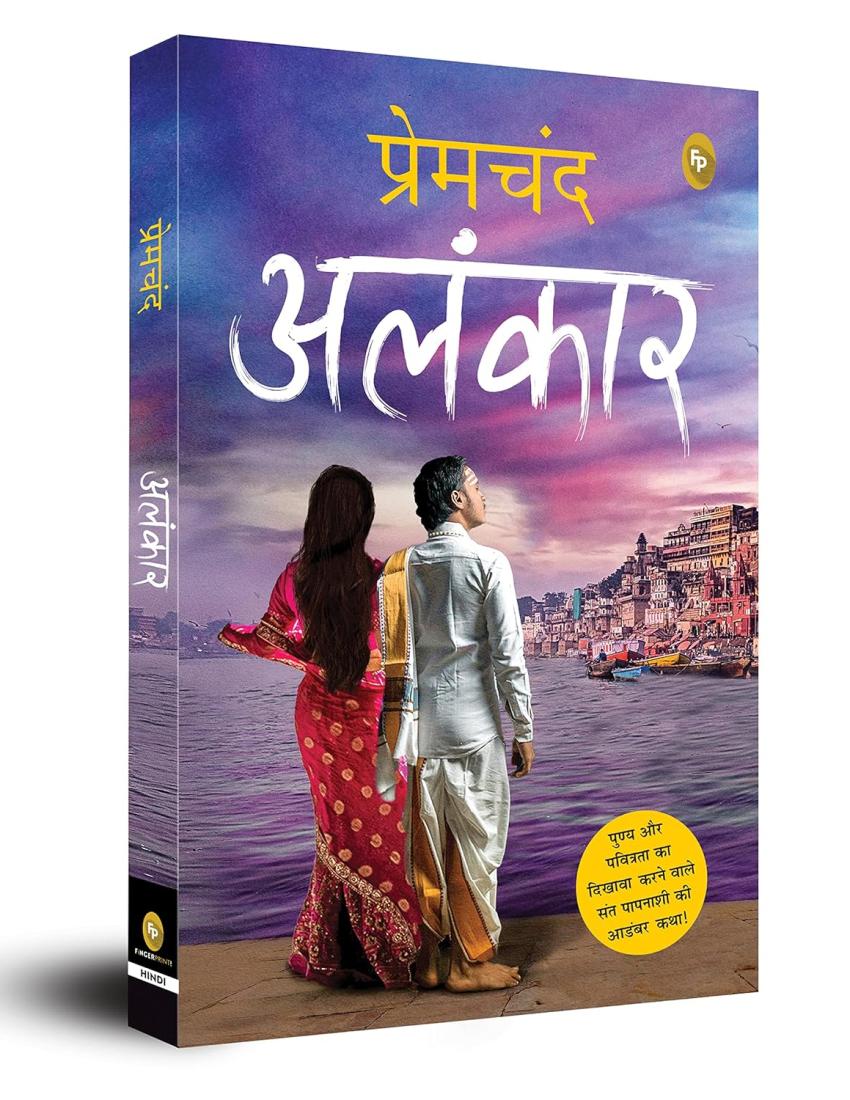
Alankar (Hindi) by Munshi Premchand | Hindi Literature
Alankar (Hindi) by Munshi Premchand | अलंकार | Classic Hindi Literature | Hindi NovelAlankar by Munshi Premchand is a fascinating work of classic Hindi literature that explores the timeless conflict between spiritual devotion and worldly desire. The story revolves around Thayas, a beautiful and captivating woman whose graceful dancing and soulful singing attract sailors and admirers, and Papanasi, a deeply religious saint whose spiritual path is challenged after encountering her.As Papanasi comes face to face with Thayas and the world of beauty, attraction, and earthly pleasures, the narrative develops into a compelling exploration of faith, temptation, desire, morality, beauty, and spiritual discipline. The encounter forces the characters to confront the complicated relationship between human emotions and the pursuit of a higher spiritual ideal.One of the distinctive qualities of Alankar is its setting and atmosphere. The story takes readers to a world along the banks of the Nile, where ascetics live in solitude and devote themselves to religious contemplation. Against this backdrop, Premchand creates a dramatic contrast between ascetic life and worldly existence, giving the story both emotional intensity and philosophical depth.The work is associated with Premchand’s adaptation of the story Thais/Thayas, and its narrative reflects his interest in presenting moral and social questions through engaging characters and dramatic situations. Rather than offering simple answers, the story invites readers to reflect on the nature of desire, sacrifice, devotion, and human weakness.Written in Hindi and presented in an accessible literary style, Alankar is an intriguing choice for readers who enjoy classic Hindi novels, Indian literature, philosophical fiction, spiritual narratives, and Premchand’s works.With its memorable characters and enduring themes, Alankar offers more than a conventional story. It presents a thoughtful literary journey into the tension between the material world and spiritual aspiration, making it a distinctive addition to the collection of readers interested in classic Hindi literature.
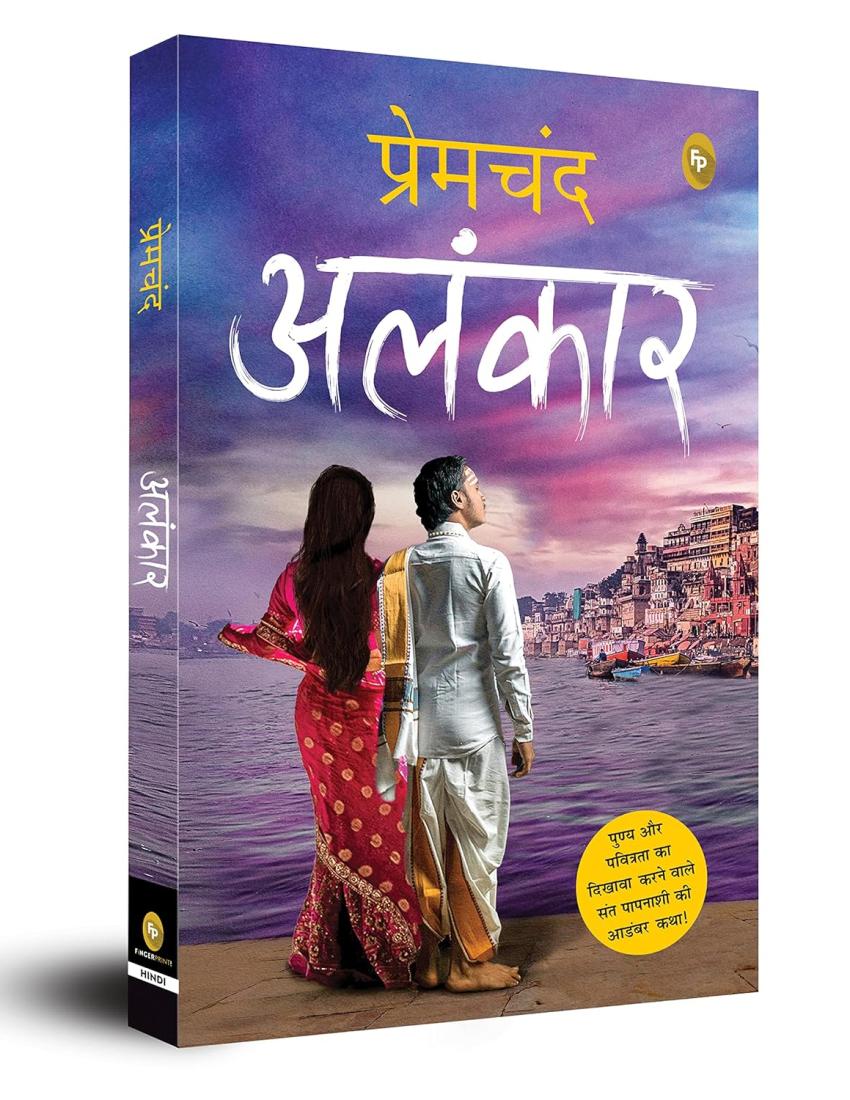
Alankar by Munshi Premchand | हिंदी पुस्तक
अलंकार by Munshi Premchand | अलंकार | हिंदी पुस्तक | मुंशी प्रेमचंदमुंशी प्रेमचंद की अलंकार एक रोचक और विचारोत्तेजक हिंदी साहित्यिक कृति है, जिसमें मानव जीवन के प्रेम, सौंदर्य, आकर्षण, आध्यात्मिकता, इच्छाओं और नैतिक संघर्ष को प्रभावशाली ढंग से प्रस्तुत किया गया है। प्रेमचंद की लेखनी अपनी सरल भाषा, संवेदनशील पात्रों और मानवीय जीवन की वास्तविकताओं को गहराई से देखने के लिए प्रसिद्ध है। अलंकार भी पाठकों को मानवीय भावनाओं और जीवन-मूल्यों पर विचार करने का अवसर देती है।कहानी का केंद्र पापनाशी नामक एक धार्मिक साधु और थायस नामक सुंदर एवं आकर्षक स्त्री के इर्द-गिर्द घूमता है। पापनाशी आध्यात्मिक जीवन और तपस्या के मार्ग पर चलने वाला व्यक्ति है, जबकि थायस सौंदर्य, कला और सांसारिक आकर्षण की दुनिया से जुड़ी हुई है। दोनों के जीवन और विचारों का सामना कथा में एक ऐसे संघर्ष को जन्म देता है, जिसमें आस्था और आकर्षण, तपस्या और सांसारिक जीवन, आत्मसंयम और इच्छा जैसे विषय उभरकर सामने आते हैं।कथा की पृष्ठभूमि में नील नदी के किनारे का वातावरण और एकांत में रहने वाले साधुओं का संसार है। इस परिवेश के माध्यम से सांसारिक जीवन और आध्यात्मिक साधना के बीच का अंतर प्रभावशाली रूप से सामने आता है। प्रेमचंद पात्रों के माध्यम से यह दिखाते हैं कि मनुष्य के भीतर भावनाएँ, इच्छाएँ और आदर्श किस प्रकार एक-दूसरे से टकरा सकते हैं।अलंकार केवल एक कहानी नहीं, बल्कि मानवीय स्वभाव और नैतिक द्वंद्व को समझने का साहित्यिक प्रयास है। इसमें सौंदर्य, प्रेम, त्याग, धर्म, इच्छा और आत्मसंघर्ष जैसे विषय पाठक को गहराई से सोचने के लिए प्रेरित करते हैं।प्रेमचंद के साहित्य के पाठकों, हिंदी साहित्य के विद्यार्थियों और क्लासिक हिंदी पुस्तकों, दार्शनिक कथाओं तथा मानवीय मनोविज्ञान में रुचि रखने वाले पाठकों के लिए अलंकार एक उल्लेखनीय कृति है। यह पुस्तक प्रेमचंद की साहित्यिक दृष्टि और मानवीय संवेदनाओं को समझने का एक सार्थक अवसर प्रदान करती है।
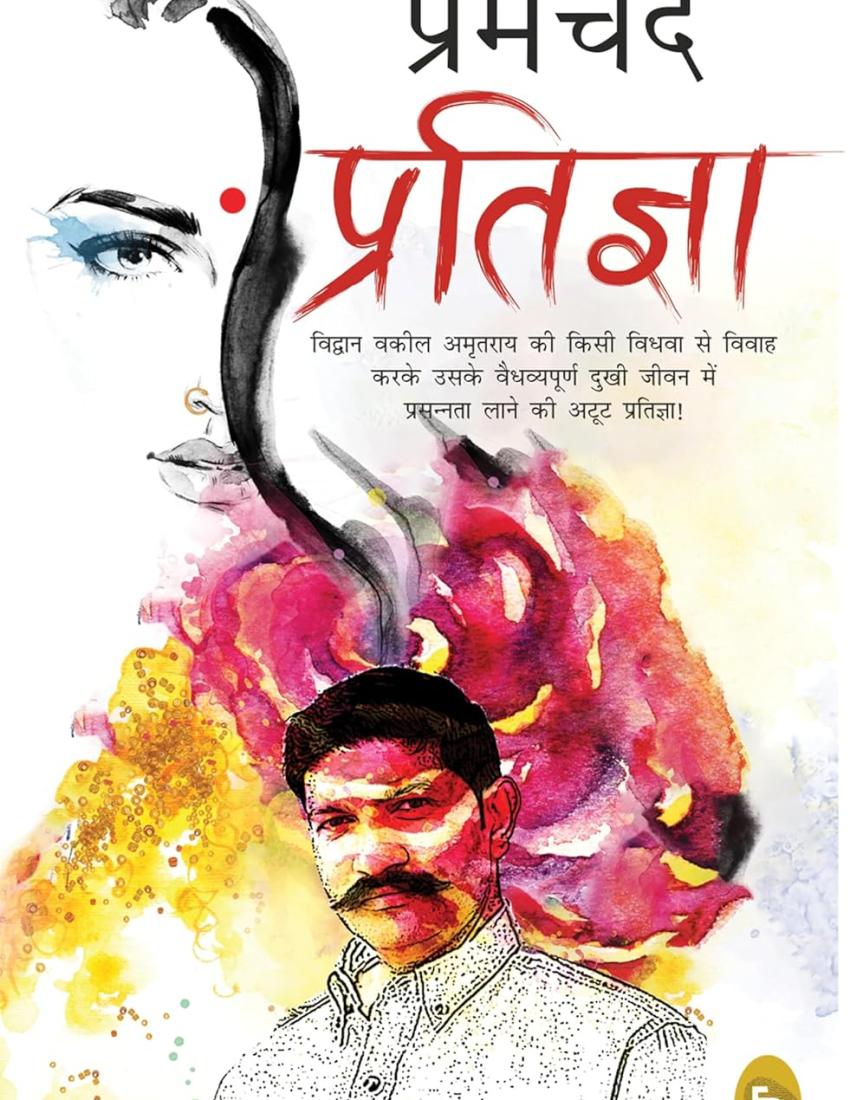
Pratigya by Munshi Premchand |प्रतिज्ञा (Hindi) by Munshi Premchand | Hindi Literature
प्रतिज्ञा (Hindi) by Munshi Premchand | प्रेमचंद का प्रसिद्ध उपन्यासप्रतिज्ञा हिंदी साहित्य के महान कथाकार मुंशी प्रेमचंद का महत्वपूर्ण सामाजिक उपन्यास है। इस रचना में प्रेमचंद ने विधवा-विवाह, सामाजिक रूढ़ियों, जातिगत भेदभाव, नैतिक मूल्यों और सामाजिक सुधार जैसे महत्वपूर्ण विषयों को कहानी और पात्रों के माध्यम से प्रभावशाली ढंग से प्रस्तुत किया है।संक्षिप्त कहानीउपन्यास का केंद्रीय पात्र अमृतराय एक शिक्षित और विचारशील युवक है, जो समाज में प्रचलित रूढ़ियों और कुरीतियों को लेकर चिंतित रहता है। वह विधवा-विवाह जैसी सामाजिक समस्या को लेकर एक महत्वपूर्ण संकल्प करता है।अमृतराय का यह निर्णय उसके व्यक्तिगत जीवन को भी प्रभावित करता है। कहानी में प्रेम, त्याग, कर्तव्य और सामाजिक जिम्मेदारी के बीच उत्पन्न संघर्ष को विभिन्न पात्रों के माध्यम से प्रस्तुत किया गया है। प्रेमचंद ने यह दिखाने का प्रयास किया है कि सामाजिक परिवर्तन केवल विचारों से नहीं, बल्कि साहस और व्यक्तिगत जिम्मेदारी से भी जुड़ा होता है।Pratigya (प्रतिज्ञा) by Munshi Premchand (मुंशी प्रेमचंद) is a thought-provoking classic Hindi novel that explores social reform, widowhood, love, morality, relationships, and human values. Published by Fingerprint Publishing, this edition is an excellent choice for readers who appreciate meaningful Hindi literature and socially relevant stories.The story follows Amritrai, a widower who makes a life-changing promise after being influenced by a discourse at an Arya Samaj temple. He takes a pledge to marry a widow, a decision that challenges the social customs and expectations of his time. His commitment creates tension in his personal relationships, particularly with his friend Dannath, while also raising important questions about love, duty, sacrifice, and personal convictions.Through Pratigya, Premchand highlights the difficulties faced by widows and examines the impact of deeply rooted social traditions. The novel presents the struggle between individual beliefs and societal expectations, while exploring the courage required to stand by one's principles.With its engaging narrative and strong social themes, Pratigya Hindi Novel is a valuable addition to the collection of anyone interested in Munshi Premchand books, classic Hindi literature, Indian social fiction, and timeless stories about human relationships.
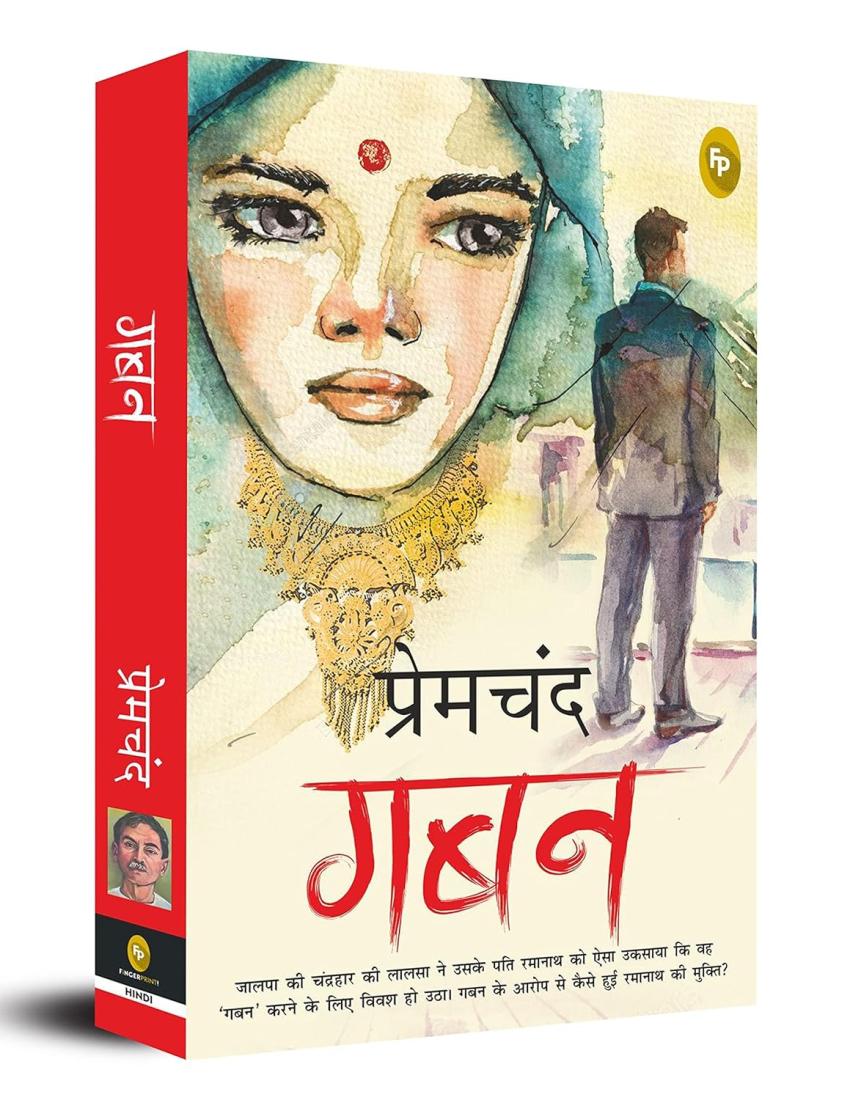
Gaban (Hindi) by Munshi Premchand Classic Hindi Literature
Gaban (गबन) by Munshi Premchand (मुंशी प्रेमचंद) is a powerful classic Hindi novel that explores love, greed, social status, materialism, deception, guilt, and moral responsibility. Published by Fingerprint Publishing, this timeless work of Indian literature presents a realistic picture of middle-class society and the pressures created by appearances and social expectations.The story revolves around Ramanath and his wife Jaalpa. Ramanath wants to maintain an image of wealth and prosperity in front of his wife and society, despite belonging to a middle-class family. Jaalpa's desire for jewellery, particularly a chandrahaar, becomes one of the circumstances that intensifies Ramanath's financial and moral struggles. His attempts to fulfil these expectations eventually lead him toward debt, deception, and embezzlement.Through Ramanath's journey, Premchand examines how the desire to maintain social prestige and a wealthy appearance can lead to serious consequences. The novel also explores Jaalpa's character and the changing dynamics of their relationship as they face difficult circumstances.Gaban Hindi Novel is much more than a story about money or jewellery. It offers a thoughtful examination of human weakness, ambition, social pressure, guilt, relationships, and redemption. Premchand's realistic storytelling makes the novel relevant even to modern readers living in a society where appearances and social status can strongly influence personal choices.For readers searching for Munshi Premchand books in Hindi, classic Hindi novels, Hindi literature books, Indian social fiction, or timeless Indian classics, Gaban is an excellent addition to any bookshelf.
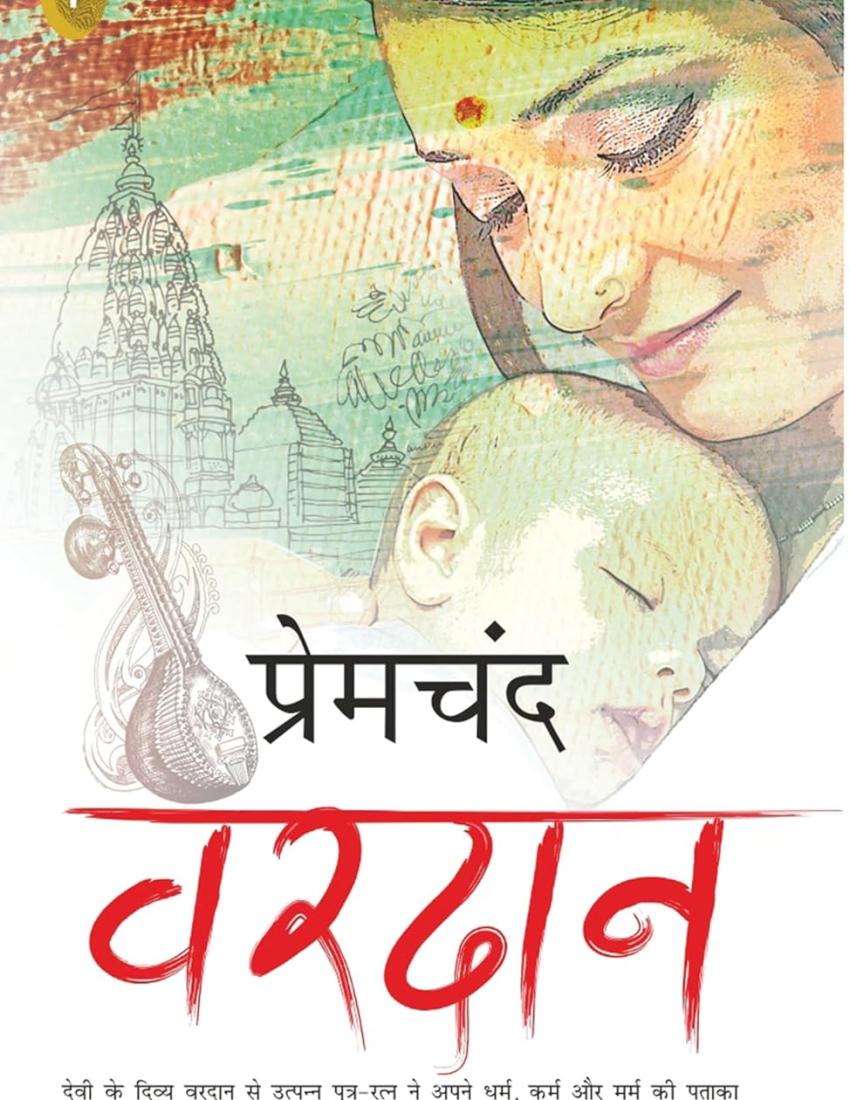
Vardaan (Hindi) by Munshi Premchand | Classic Hindi Literature
Vardaan (Hindi) by Munshi Premchand | वरदान | Classic Hindi Literature | Hindi NovelVardaan by Munshi Premchand is a classic Hindi novel that explores the complexities of love, family, education, social expectations, personal aspirations, and human relationships. Written in Premchand’s characteristic realistic style, the novel presents a world where individual dreams often come into conflict with family responsibilities and the values of society.The story revolves around Pratapsingh and Brijrani, whose lives and relationship form an important part of the narrative. Pratapsingh dreams of becoming a doctor and serving society, while Brijrani’s life is shaped by affection, family circumstances, and emotional expectations. Their experiences bring together themes of ambition, love, sacrifice, and destiny, creating a narrative that combines personal emotion with social observation.Premchand’s strength lies in portraying ordinary human experiences with remarkable sensitivity. In Vardaan, he explores how education, career aspirations, family traditions, and social conventions can influence the choices people make. The characters face situations in which personal happiness must be balanced against duty and circumstances, giving the story emotional depth.The novel also reflects Premchand’s broader concern with the social conditions of his time. Through his characters and their experiences, he examines changing attitudes toward education, marriage, family relationships, and individual responsibility. His simple yet expressive language makes the story accessible while allowing its underlying social and emotional themes to emerge naturally.Vardaan is especially valuable for readers who appreciate classic Hindi fiction, social novels, Indian literature, and stories centered on human relationships. It offers an opportunity to experience Premchand’s early literary style and his developing interest in the interaction between personal aspirations and social realities.
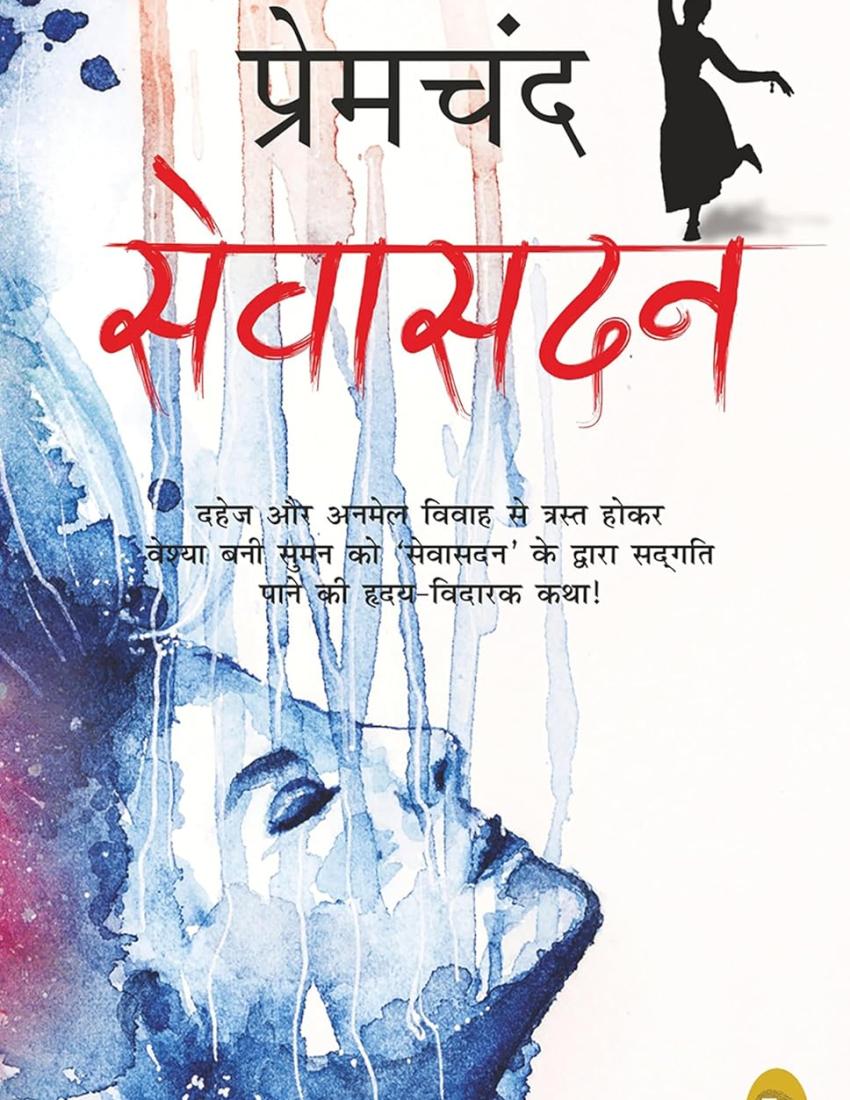
Sevasadan (Hindi) by Munshi Premchand Classic Hindi Literature
Sevasadan (Hindi) by Munshi Premchand | सेवासदन | Classic Hindi Literature | Hindi NovelSevasadan by Munshi Premchand is one of the most significant early Hindi novels of modern Indian literature. Originally published in 1918, the novel presents a powerful exploration of women’s lives, marriage, social morality, poverty, dignity, and the difficult choices created by social circumstances. Through its central character, Suman, Premchand examines the relationship between individual aspirations and the restrictive social structures of his time.The story follows Suman, a young woman whose unhappy marriage and difficult domestic circumstances gradually lead her toward a very different life. Her experiences expose the inequalities and contradictions present within society, particularly the expectations placed upon women. As she encounters different social environments, she is forced to reconsider questions of dignity, respectability, happiness, and responsibility.A major strength of Sevasadan is its realistic portrayal of middle-class family life and social conventions. Premchand examines how financial difficulties, unsuitable marriages, social reputation, and gender expectations can shape an individual’s destiny. Rather than presenting his characters as simply good or bad, he portrays them as complex human beings influenced by circumstances, emotions, and social pressures.The novel also raises questions about the meaning of social reform and moral judgment. Through Suman’s journey, readers are encouraged to consider how society treats women whose lives do not conform to accepted expectations. Premchand’s narrative gives particular attention to compassion, dignity, and the possibility of personal transformation.Written in Premchand’s accessible and realistic Hindi, Sevasadan combines compelling storytelling with sharp social observation. It is an important work for understanding the development of the Hindi social novel and Premchand’s evolving literary concerns.For readers interested in classic Hindi literature, women’s writing, social reform, Indian fiction, and Munshi Premchand’s novels, Sevasadan offers a meaningful and thought-provoking reading experience. Its themes of marriage, gender, dignity, morality, and social responsibility continue to make it an important part of the Hindi literary tradition.