Inspirational Book
Find reference notes, study guides, and dynamic curriculum files for inspirational book preparation.
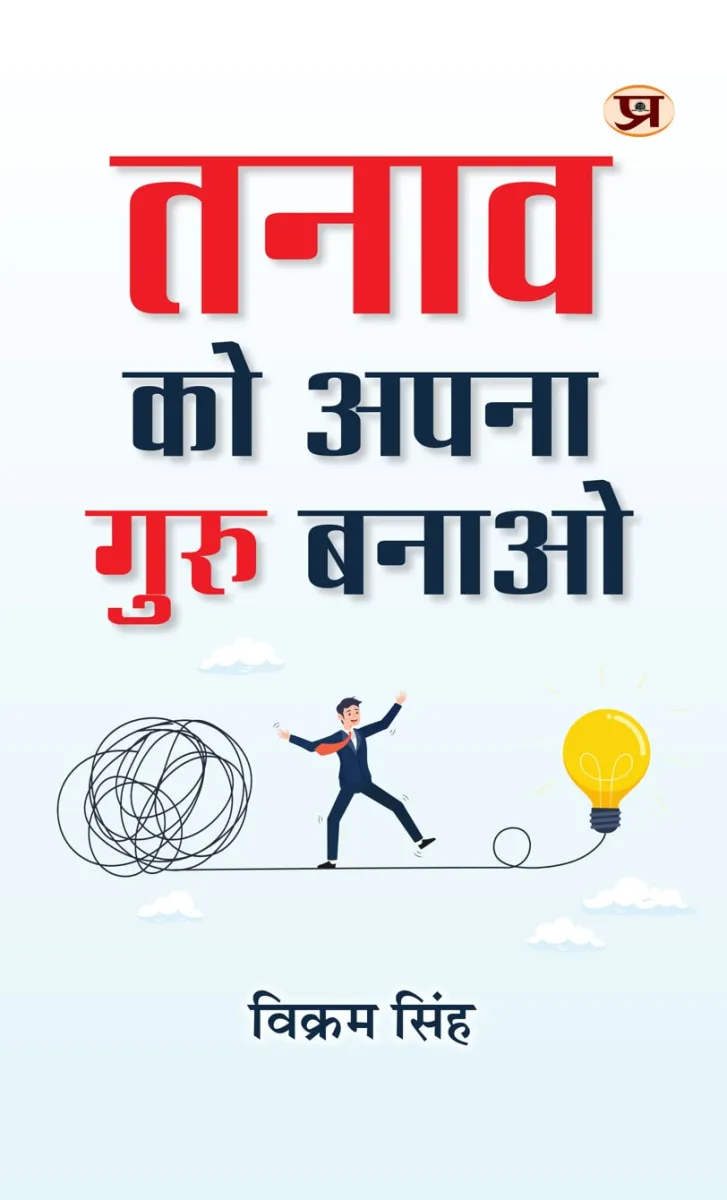
Tanav Ko Apna Guru Banao by Vikram Singh – Hindi Translation of Stress Can (S)Kill You | Stress Management & Self-Help Book
Product Description:Tanav Ko Apna Guru Banao by Vikram Singh is the Hindi translation of Stress Can (S)Kill You, a self-help book focused on understanding stress, its impact on everyday life and ways to approach stressful situations more constructively.Rather than viewing stress only as a challenge, the book encourages readers to reflect on stressful experiences and use them as opportunities for self-awareness, personal growth and positive change. It discusses the importance of understanding one's responses to pressure and developing healthier ways of dealing with demanding situations.Written in an accessible style, Tanav Ko Apna Guru Banao can be useful for readers interested in stress management, personal development, self-help, emotional well-being and building a more balanced approach to everyday challenges.Key FeaturesWritten by Vikram SinghHindi translation of Stress Can (S)Kill YouFocuses on understanding and managing stressEncourages self-awareness and personal growthOffers a practical self-help perspective on stressful situationsSuitable for readers interested in personal development and stress managementPerfect ForReaders looking for Hindi self-help books, stress management books, personal development literature and practical guidance for dealing with everyday pressure and challenges.
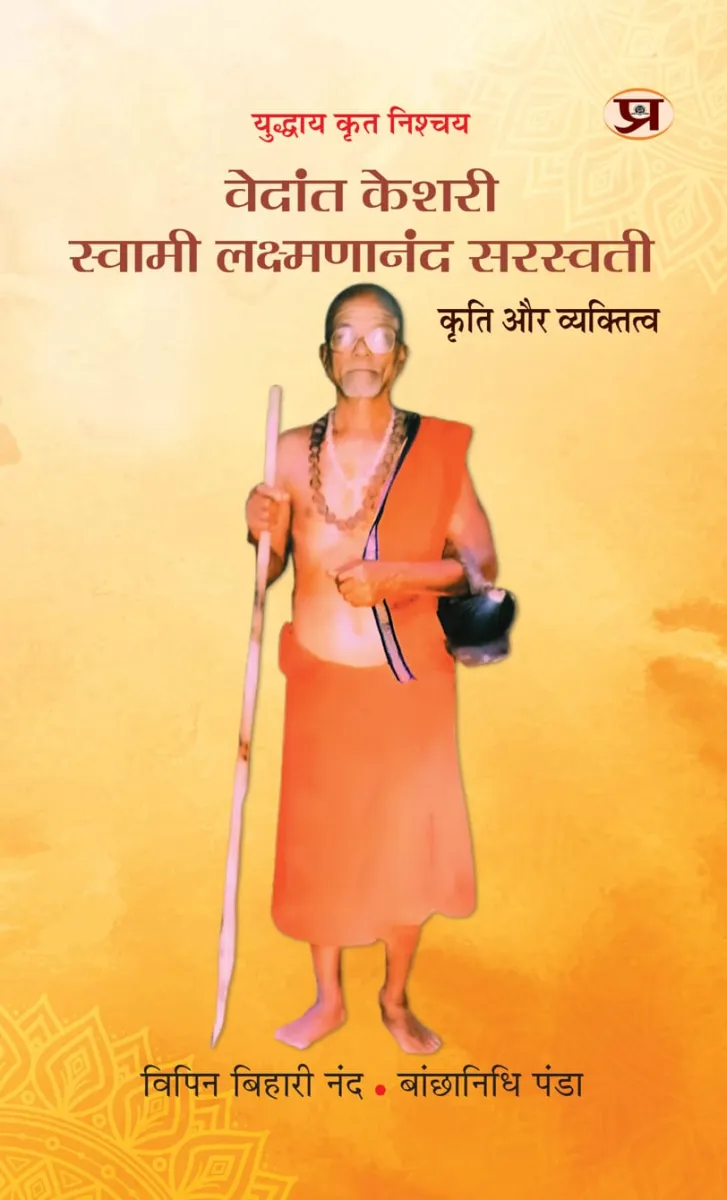
Vedant Keshri Swami Laxmananand Saraswati: Kriti Aur Vyaktitva by Vipin Bihari Nand – Hindi Book on Life, Philosophy & Contributions
Product Description:Vedant Keshri Swami Laxmananand Saraswati: Kriti Aur Vyaktitva by Vipin Bihari Nand is a Hindi biographical and literary work exploring the life, personality, philosophy and contributions of Swami Laxmananand Saraswati. The book offers readers an opportunity to learn about his life and the ideas and activities associated with his work.With a focus on Swami Laxmananand Saraswati’s personality, writings, Vedantic thought and spiritual contributions, the book provides a perspective on his role within the broader tradition of Indian spirituality and philosophy. It can be useful for readers interested in Vedanta, Indian spiritual traditions and the lives of spiritual figures.Key FeaturesWritten by Vipin Bihari NandHindi-language biographical and literary studyFocuses on Swami Laxmananand SaraswatiExplores his personality, philosophy and contributionsRelevant to the study of Vedanta and Indian spiritual traditionsSuitable for students, researchers and readers of spiritual literaturePerfect ForReaders interested in Swami Laxmananand Saraswati, Vedanta philosophy, Indian spirituality, spiritual biographies, Hindu philosophical traditions and Indian religious literature. It can also be a useful addition to libraries and personal collections focused on Indian spiritual thinkers and philosophical traditions.
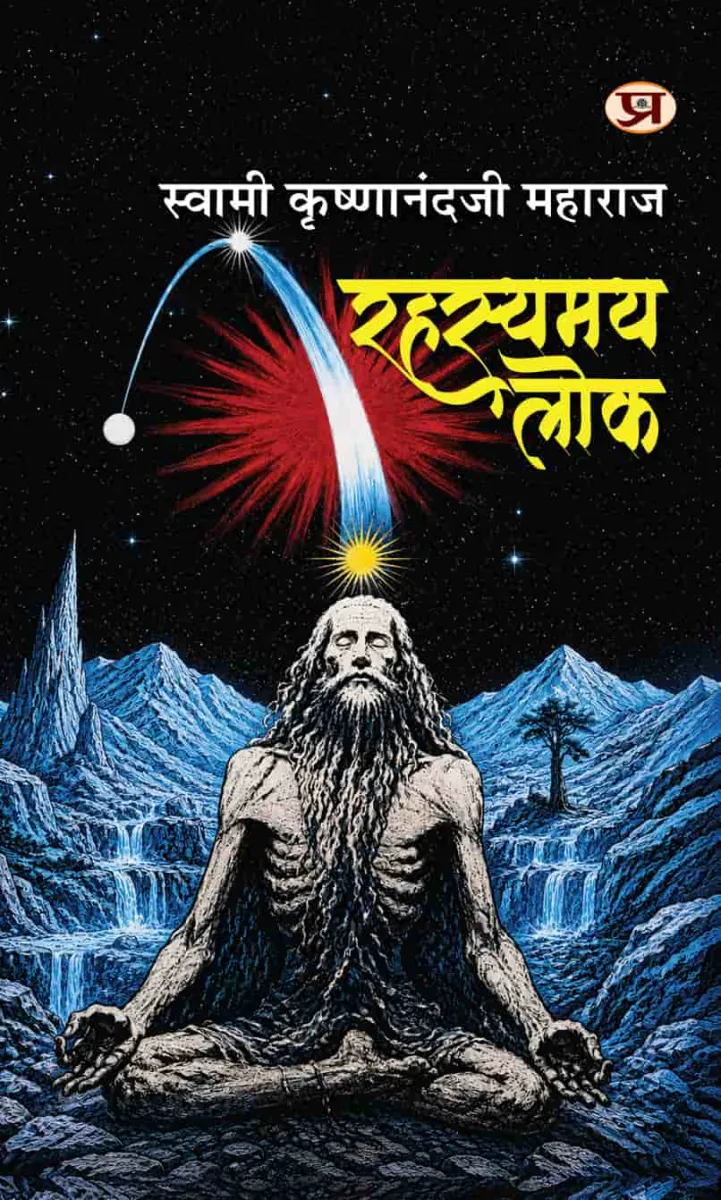
Rahasyamay Lok by Swami Krishnanandji Maharaj | Hindi Spiritual Book | Mysticism, Spiritual Realms & Indian Philosophy | Spirituality & Self-Realization
Rahasyamay Lok by Swami Krishnanandji Maharaj is a Hindi spiritual book exploring themes of mysticism, spirituality, spiritual realms, inner awareness, and Indian philosophical thought.The book is suited to readers interested in exploring deeper spiritual ideas and traditional perspectives on the nature of existence, consciousness, and the unseen dimensions of spiritual experience. It can be a thoughtful addition to the reading collection of those interested in Indian philosophy, meditation, spirituality, mysticism, and self-realization.Written in Hindi, the book is suitable for readers who prefer spiritual and philosophical literature in the Hindi language and wish to engage with reflective ideas about the inner journey and spiritual understanding.Key FeaturesWritten by Swami Krishnanandji MaharajHindi-language spiritual bookExplores themes of mysticism and spiritualityDiscusses spiritual realms and philosophical ideasConnects with traditions of Indian philosophySuitable for readers interested in inner awareness and self-realizationUseful for spiritual, philosophical, and reflective readingSuitable for personal study and contemplationIdeal ForThis book is suitable for readers searching for Rahasyamay Lok, Swami Krishnanandji Maharaj books, Hindi spiritual books, mysticism books in Hindi, Indian philosophy books, spiritual realms books, spirituality and self-realization books, meditation and spiritual reading, and Hindi philosophical literature.Book Title: Rahasyamay LokAuthor: Swami Krishnanandji MaharajLanguage: HindiThemes: Mysticism | Spirituality | Spiritual Realms | Indian Philosophy | Self-RealizationCategory: Spirituality | Philosophy | Mysticism | Hindi Books
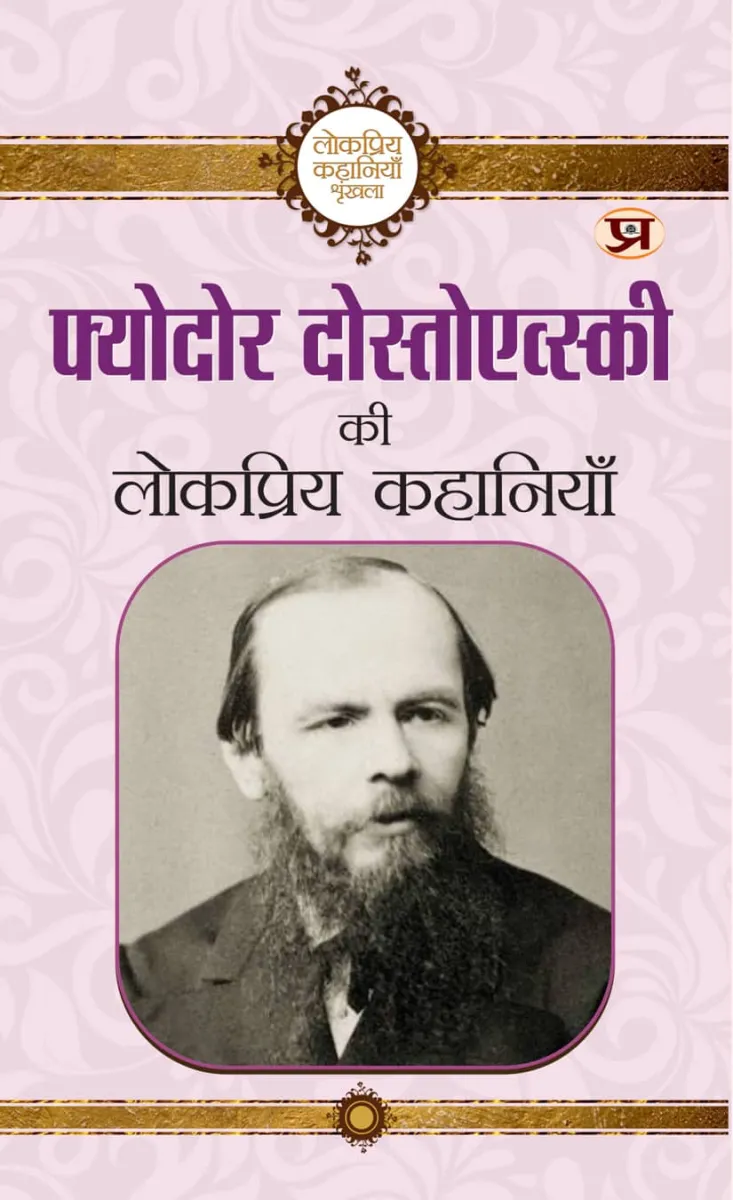
Fyodor Dostoevsky Ki Lokpriya Kahaniyan in Hindi – Popular Stories by Fyodor Dostoevsky | Hindi Literature Book
Product Description:Fyodor Dostoevsky Ki Lokpriya Kahaniyan is a Hindi collection featuring popular stories by renowned Russian author Fyodor Dostoevsky. Known for his deep exploration of human psychology, morality, emotions and the complexities of human relationships, Dostoevsky remains one of the most influential writers in world literature.This Hindi edition brings selected stories to readers in an accessible format, allowing Hindi-language readers to explore Dostoevsky’s distinctive literary world. His stories often examine themes such as human nature, love, suffering, guilt, morality, loneliness, faith and the inner conflicts of individuals.The collection can be an excellent choice for readers discovering Dostoevsky’s work as well as for those who enjoy world literature, Russian literature, classic fiction and psychologically rich storytelling.Key FeaturesStories by renowned Russian author Fyodor DostoevskyHindi-language editionCollection of popular and engaging storiesExplores human psychology, emotions and moral dilemmasIntroduces readers to classic Russian literatureSuitable for students, literature enthusiasts and general readersPerfect ForReaders interested in Fyodor Dostoevsky, Russian literature, world classics, Hindi translations, classic stories and psychological fiction. It is also suitable for readers who want to discover the works of one of the most celebrated authors in world literature through Hindi.
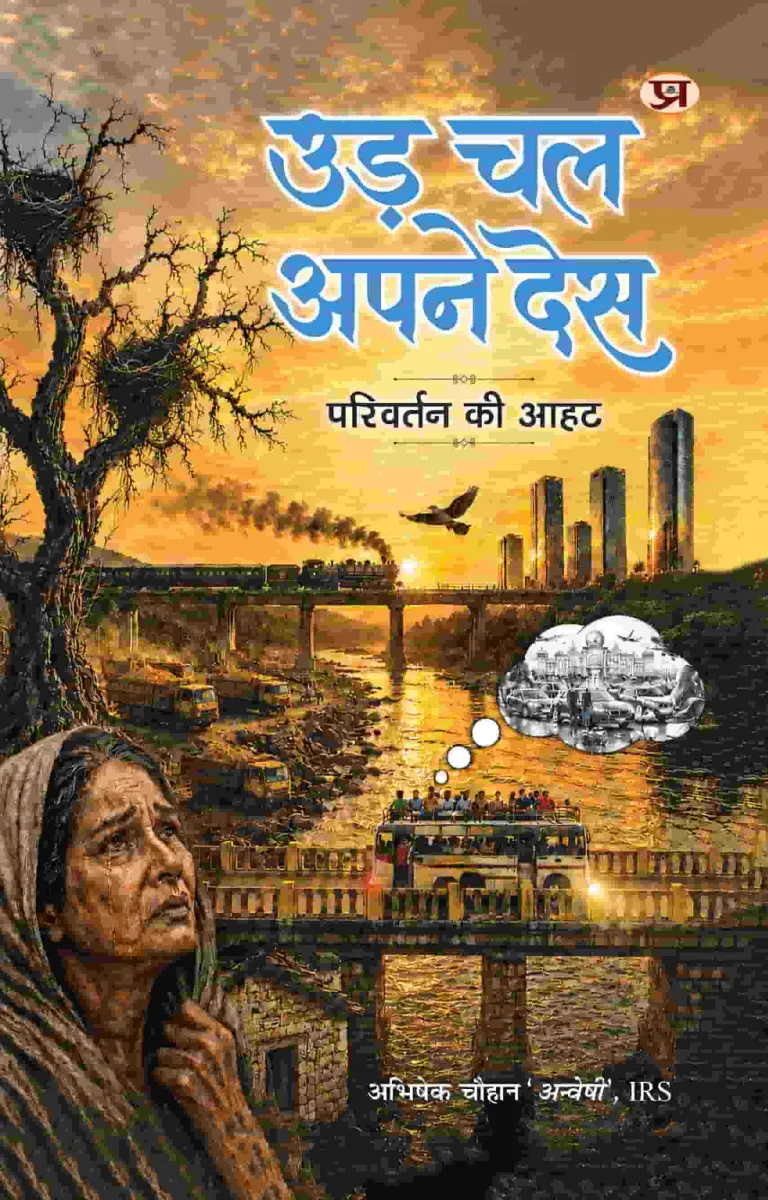
Ud Chal Apne Desh by Abhishek Chauhan – Hindi Book on Patriotism, India, Youth & National Identity
Product Description:Ud Chal Apne Desh by Abhishek Chauhan is a Hindi book centered on themes of India, patriotism, national identity, youth and a sense of belonging to the country. The book encourages readers to reflect on their connection with the nation and the role individuals can play in contributing to society.Through its ideas and reflections, Ud Chal Apne Desh explores themes related to देशप्रेम (patriotism), राष्ट्रबोध (national consciousness), युवा शक्ति (youth), responsibility and social contribution. It can appeal to readers interested in contemporary Hindi writing that engages with questions of identity, society and the idea of India.Key FeaturesWritten by Abhishek ChauhanHindi-language bookExplores themes of patriotism and national identityFocuses on youth, social responsibility and civic valuesEncourages reflection on India and societySuitable for readers interested in contemporary Hindi literaturePerfect ForReaders interested in Hindi literature, patriotism, India, youth, national identity, social responsibility and contemporary social writing. It can also be a meaningful addition to the bookshelf of readers who enjoy books exploring society and the relationship between individuals and their country.
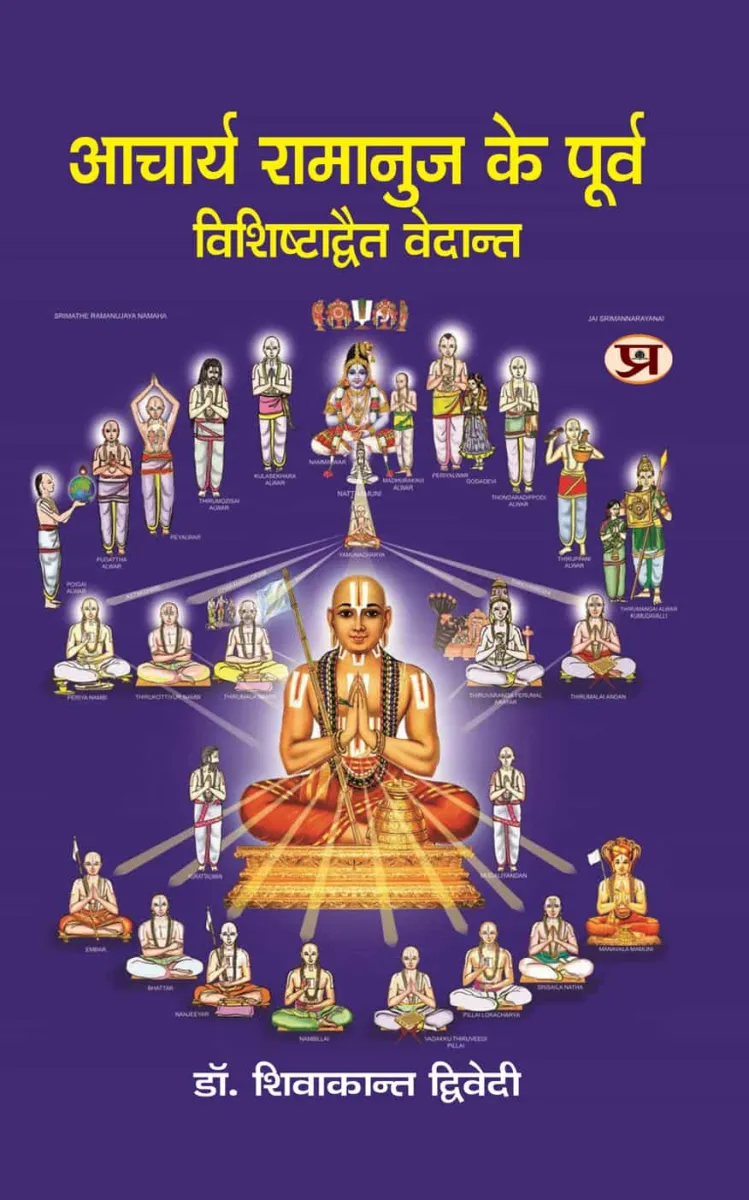
Acharya Ramanuj Ke Poorva Vishishtadwait Vedant – Hindi Book on Ramanujacharya, Vishishtadvaita Vedanta & Indian Philosophy
Product Description:Acharya Ramanuj Ke Poorva Vishishtadwait Vedant is a Hindi philosophical work that explores the intellectual and philosophical traditions associated with Vishishtadvaita Vedanta and its development before and around the time of Acharya Ramanujacharya.The book examines the philosophical background of Vishishtadvaita and discusses important concepts within the Vedantic tradition, providing readers with an opportunity to understand the ideas and intellectual currents that contributed to the development of this school of Indian philosophy.With its focus on Ramanujacharya, Vishishtadvaita Vedanta, Vedantic thought, Indian philosophy and spiritual traditions, this book can be useful for students, researchers and readers interested in the history and development of Indian philosophical thought.Key FeaturesHindi-language book on Vishishtadvaita VedantaFocuses on the philosophical tradition associated with Acharya RamanujacharyaExplores the development and background of Vishishtadvaita thoughtRelevant to the study of Vedanta and Indian philosophySuitable for students and researchers of philosophy and religious studiesUseful for readers interested in Indian philosophical traditionsPerfect ForReaders interested in Ramanujacharya, Vishishtadvaita Vedanta, Vedanta philosophy, Indian philosophy, Hindu philosophical traditions and spiritual thought. It can also serve as a useful reference for students and researchers exploring the history and evolution of Vedantic schools.
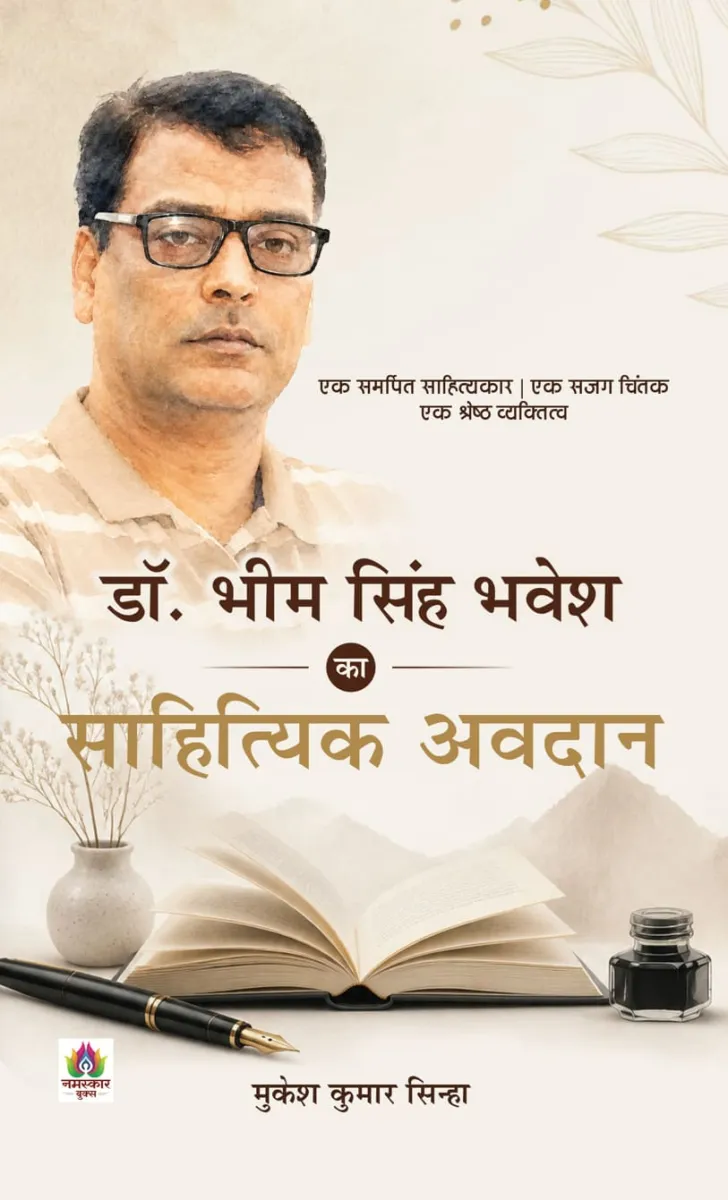
Dr. Bheem Singh Bhavesh Ka Sahityik Avadan by Mukesh Kumar Sinha – Hindi Book on Literature, Works & Literary Contribution
Product Description:Dr. Bheem Singh Bhavesh Ka Sahityik Avadan by Mukesh Kumar Sinha is a Hindi literary study that examines the literary contribution and creative work of Dr. Bheem Singh Bhavesh. The book provides readers with an opportunity to explore his literary journey, writings and contribution to Hindi literature.Through a critical and analytical approach, the book focuses on different aspects of Dr. Bheem Singh Bhavesh’s literary works, ideas, writing style and creative expression. It can be useful for readers seeking a deeper understanding of his place and contribution within the broader landscape of Hindi literature.The book is particularly relevant for students, researchers, Hindi literature enthusiasts and readers interested in literary criticism and Hindi literary studies.Key FeaturesWritten by Mukesh Kumar SinhaHindi-language literary studyFocuses on the literary contribution of Dr. Bheem Singh BhaveshExplores his writings and creative workIncludes literary and critical perspectivesUseful for students and researchers of Hindi literatureSuitable for readers interested in Hindi literary criticismPerfect ForStudents, researchers and literature enthusiasts interested in Hindi literature, literary criticism, biographies of Hindi writers, literary contributions and contemporary Hindi writing.
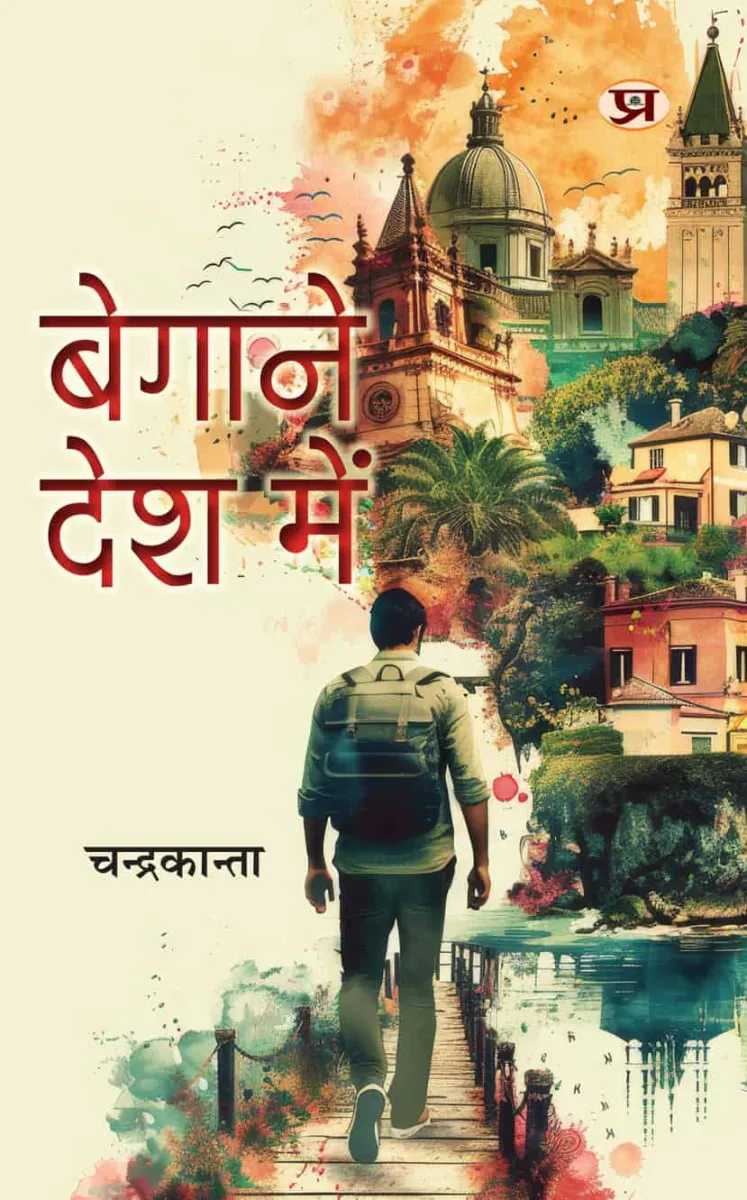
Begane Desh Mein by Chandrakanta | Hindi Stories Book on Migration, Identity, Relationships & Life Abroad | Hindi Literature & Short Stories
Begane Desh Mein by Chandrakanta is a thought-provoking Hindi story collection that explores the experiences of people living away from their homeland. Through engaging stories and relatable characters, the book delves into themes of migration, identity, relationships, belonging, cultural change, and life abroad.The stories offer a literary perspective on the emotional and social experiences associated with leaving one's familiar surroundings and adapting to a different country and culture. The book explores the complex relationship between home and abroad, tradition and change, memories and new experiences, making it an engaging read for those interested in contemporary Hindi literature.Written for readers who appreciate meaningful storytelling and realistic human experiences, Begane Desh Mein can be a valuable addition to a collection of Hindi literature, short stories, and contemporary Indian fiction.Key FeaturesWritten by acclaimed Hindi author ChandrakantaCollection of engaging Hindi storiesExplores migration and life in a foreign countryThemes of identity, relationships, belonging, and cultural changeReflects on the emotional experiences of living away from homeSuitable for readers interested in Hindi literature and Indian storytellingA thoughtful addition to personal and literary collectionsWho Should Read This Book?Begane Desh Mein is ideal for readers who enjoy Hindi short stories, Indian literature, contemporary fiction, migration literature, diaspora narratives, and stories about relationships and human experiences.Book Title: Begane Desh MeinAuthor: ChandrakantaLanguage: HindiCategory: Hindi Literature | Short Stories | Contemporary Fiction | Migration & Diaspora Literature
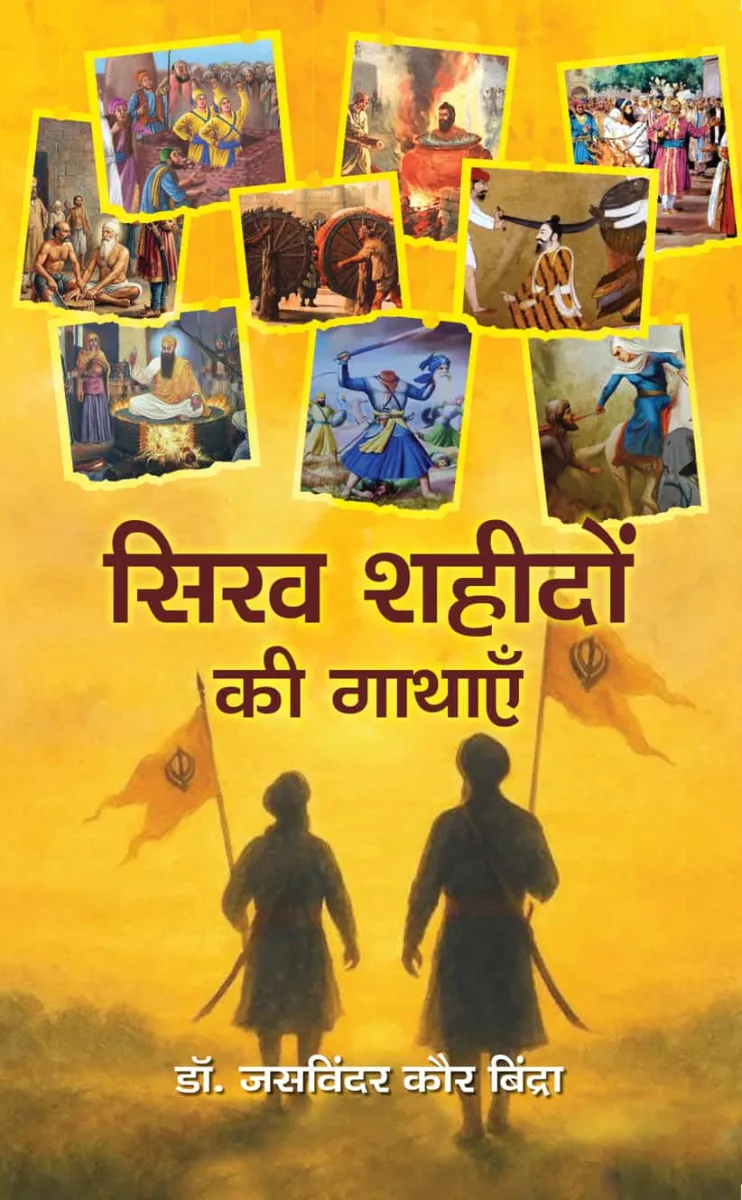
Sikh Shaheedon Ki Gathayen by Dr. Jasvinder Kaur Bindra – Hindi Book on Sikh Martyrs, History & Sacrifice
Product Description:Sikh Shaheedon Ki Gathayen by Dr. Jasvinder Kaur Bindra is a Hindi book that presents stories and accounts associated with Sikh martyrs and their sacrifices. The book introduces readers to important figures and historical episodes connected with Sikh history, highlighting themes of courage, devotion, sacrifice and perseverance.Through narratives of Sikh shaheeds, the book provides readers with an opportunity to learn about significant events and personalities in Sikh history and the values associated with their lives. It can be a useful reading resource for those interested in Sikh history, Sikh heritage, religious traditions and historical biographies.Key FeaturesWritten by Dr. Jasvinder Kaur BindraHindi-language bookStories of Sikh martyrs and historical figuresExplores themes of sacrifice, courage and devotionProvides an introduction to important episodes of Sikh historySuitable for readers interested in Sikh heritage and historyPerfect ForReaders interested in Sikh history, Sikh martyrs, Indian history, religious heritage, historical personalities and stories of sacrifice. It can also be a meaningful addition to personal and family libraries interested in learning about Sikh historical traditions.
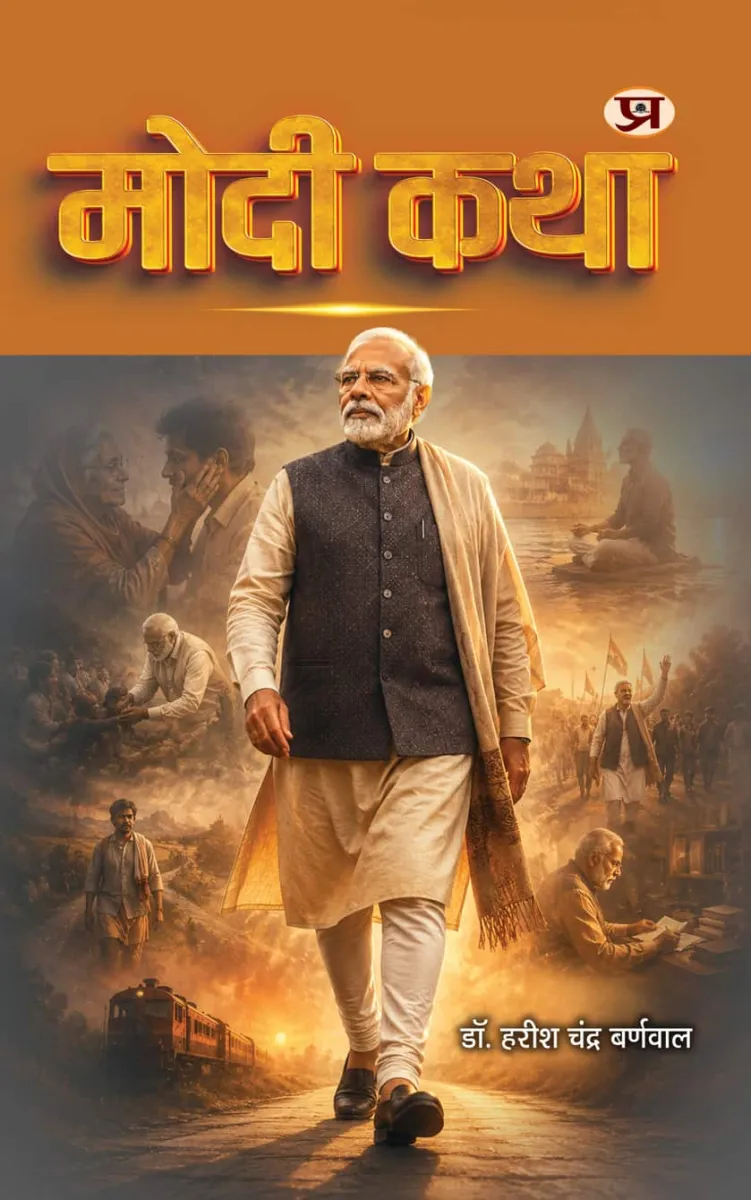
Modi Katha by Dr. Harish Chandra Burnwal – Hindi Book on Narendra Modi’s Life, Political Journey & Public Life
Product Description:Modi Katha by Dr. Harish Chandra Burnwal is a Hindi book focusing on Narendra Modi’s life, political journey and public career. The book presents a narrative of his journey in Indian public life, covering significant aspects of his political career and the events associated with his rise in national politics.Through a biographical and narrative approach, the book provides readers with an opportunity to explore different stages of Narendra Modi’s public and political journey. It may be of interest to readers seeking material on Indian politics, contemporary Indian history, political biographies and the life of prominent Indian political figures.Key FeaturesWritten by Dr. Harish Chandra BurnwalHindi-language bookFocuses on Narendra Modi’s life and political journeyCovers aspects of his public and political careerSuitable for readers interested in contemporary Indian politicsUseful for readers of political biographies and modern Indian historyPerfect ForReaders interested in Narendra Modi, Indian politics, political biographies, contemporary India and modern Indian political history. The book can also be useful for students and general readers looking to explore the political journey of a prominent contemporary Indian leader.
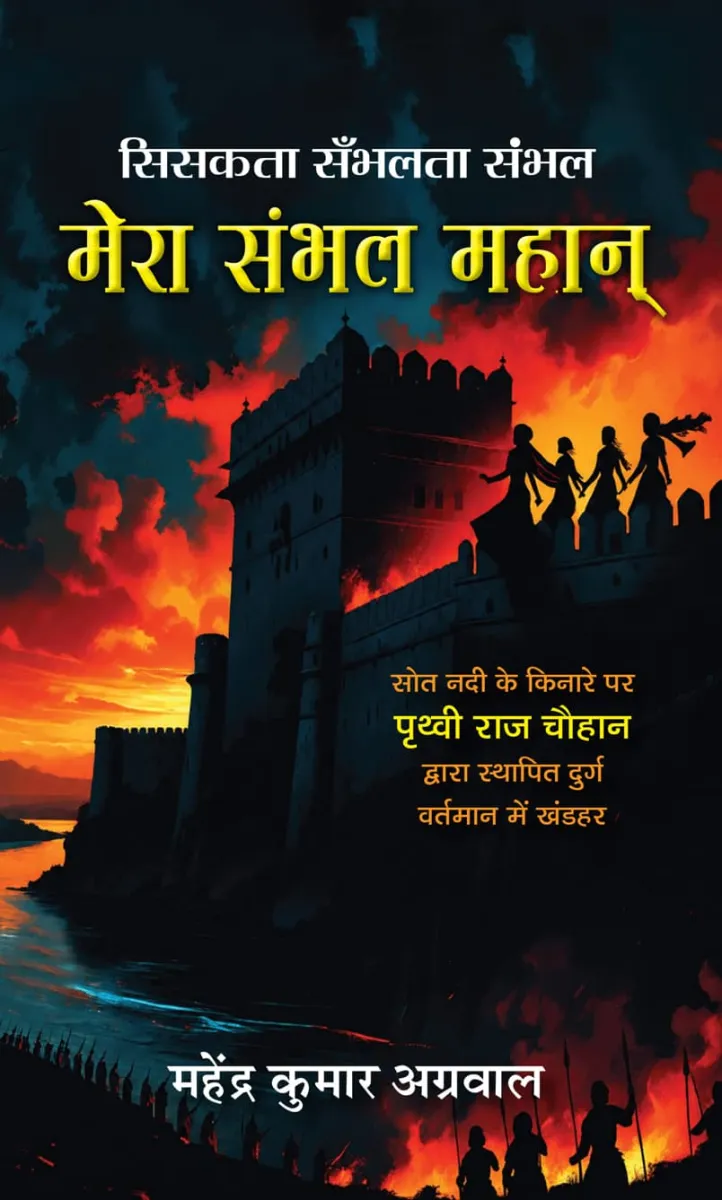
Mera Sambhal Mahan by Mahendra Kumar Agrawal – Hindi Book on Sambhal, History, Culture & Heritage
Product Description:Mera Sambhal Mahan by Mahendra Kumar Agrawal is a Hindi book focusing on Sambhal, exploring its historical, cultural and social significance. The book presents readers with an opportunity to learn more about the region, its heritage and the distinctive identity associated with Sambhal.Through its focus on the area’s history, traditions and cultural heritage, Mera Sambhal Mahan can be an interesting resource for readers who wish to discover more about Sambhal’s past, cultural traditions, important places and regional heritage.The book is particularly suitable for readers interested in local history, Indian heritage, regional culture and Sambhal, as well as students and researchers exploring the historical and cultural aspects of Uttar Pradesh.Key FeaturesWritten by Mahendra Kumar AgrawalHindi-language book on SambhalExplores the region’s history and cultural heritageHighlights local traditions and regional identityUseful for readers interested in local and regional historySuitable for students, researchers and history enthusiastsPerfect ForReaders interested in Sambhal history, Uttar Pradesh, Indian heritage, regional culture, local history and historical places. It can also be a valuable addition to the collection of readers who enjoy books documenting the heritage and identity of Indian towns and regions.
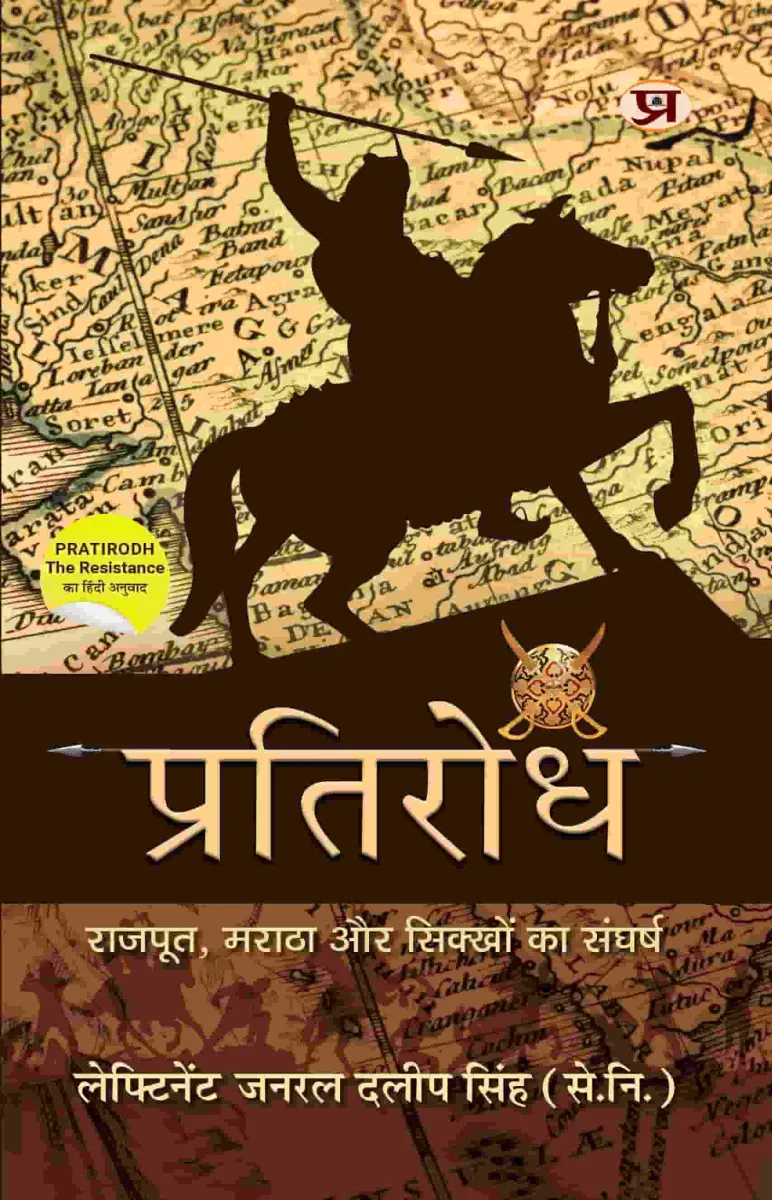
Pratirodh: Rajput, Maratha va Sikhs ka Sangharsh by Lt. Gen. Dalip Singh (Retd.) – Hindi History Book on Rajput, Maratha & Sikh Resistance
Product Description:Pratirodh: Rajput, Maratha va Sikhs ka Sangharsh by Lt. Gen. Dalip Singh (Retd.) is a Hindi historical book that explores the struggles and resistance associated with the Rajputs, Marathas and Sikhs across different periods of Indian history. Drawing on historical events and military perspectives, the book examines the conflicts, challenges and resistance movements connected with these important communities.Written by retired Lieutenant General Dalip Singh, the book brings a military-oriented perspective to historical narratives, highlighting themes of warfare, resistance, leadership, strategy, courage and political conflict. It can be of interest to readers seeking to understand important episodes in the history of the Rajputs, Marathas and Sikhs.Pratirodh is suitable for students, history enthusiasts and general readers interested in Indian history, military history, Rajput history, Maratha history, Sikh history and historical resistance movements.Key FeaturesWritten by Lt. Gen. Dalip Singh (Retd.)Hindi-language historical bookFocuses on Rajput, Maratha and Sikh strugglesExplores historical conflicts and resistanceIncludes a military and strategic perspectiveCovers themes of leadership, warfare and political संघर्षSuitable for history students and general readersPerfect ForReaders interested in Indian history, military history, Rajput history, Maratha history, Sikh history, warfare and historical resistance movements. It can also be a useful addition to the bookshelf of readers who enjoy historical narratives viewed through a military perspective.
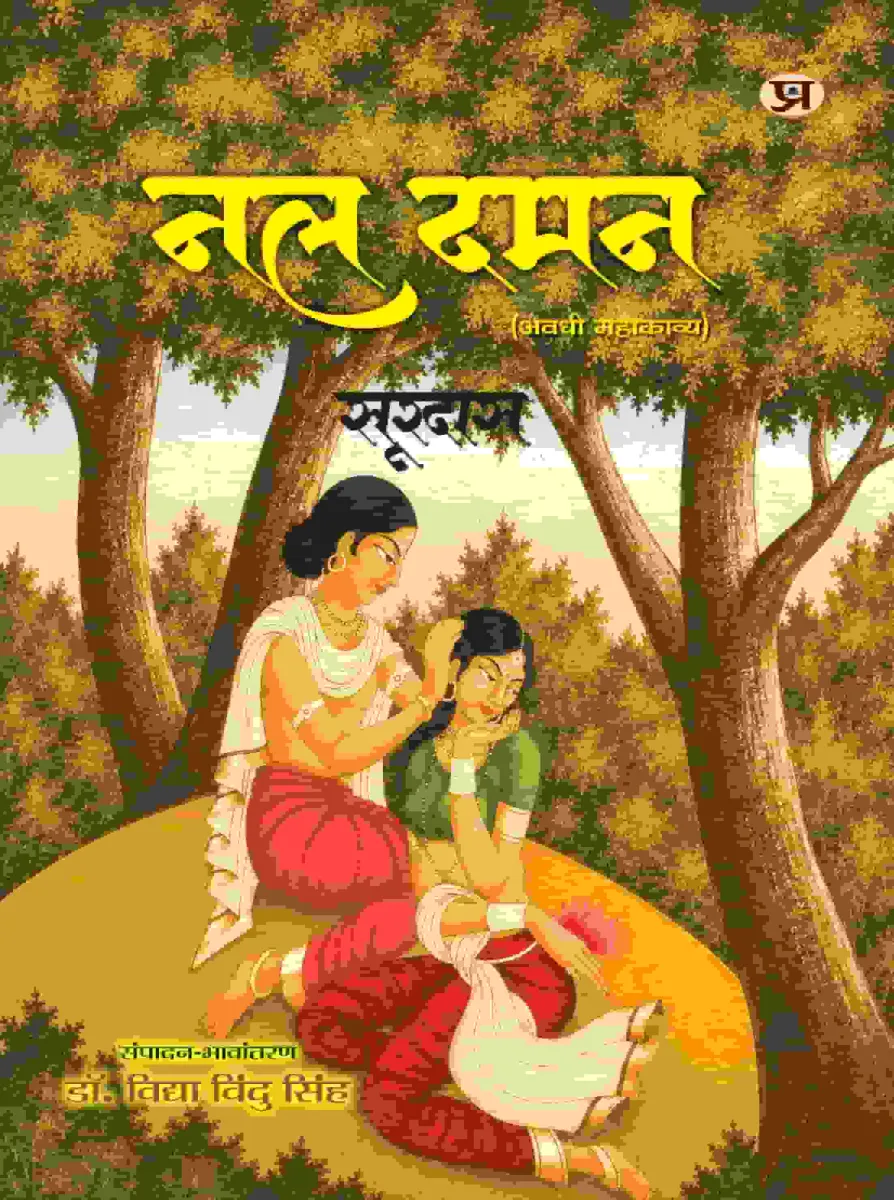
Nal Daman Soordas by Dr. Vidya Vindu Singh – Hindi Literary Book on Surdas, Indian Poetry & Bhakti Literature
Product Description:Nal Daman Soordas by Dr. Vidya Vindu Singh is a Hindi literary work that explores the traditional Nal-Daman narrative in the context of Surdas and Hindi devotional literature. The book offers readers an opportunity to engage with an important theme of Indian literary and cultural tradition through a scholarly and literary perspective.The work is relevant to readers interested in Surdas, Bhakti literature, Hindi poetry, Indian literary traditions and medieval Hindi literature. It can provide useful reading material for students, researchers and literature enthusiasts seeking to understand the themes, narratives and cultural dimensions associated with Hindi literary heritage.Key FeaturesWritten by Dr. Vidya Vindu SinghHindi literary workFocuses on the Nal-Daman narrative associated with SurdasRelevant to the study of Bhakti literature and Hindi poetrySuitable for students and researchers of Hindi literatureUseful for readers interested in Indian literary and cultural traditionsPerfect ForStudents, researchers and readers interested in Hindi literature, Surdas, Bhakti poetry, medieval Hindi literature, Indian mythology and literary studies.
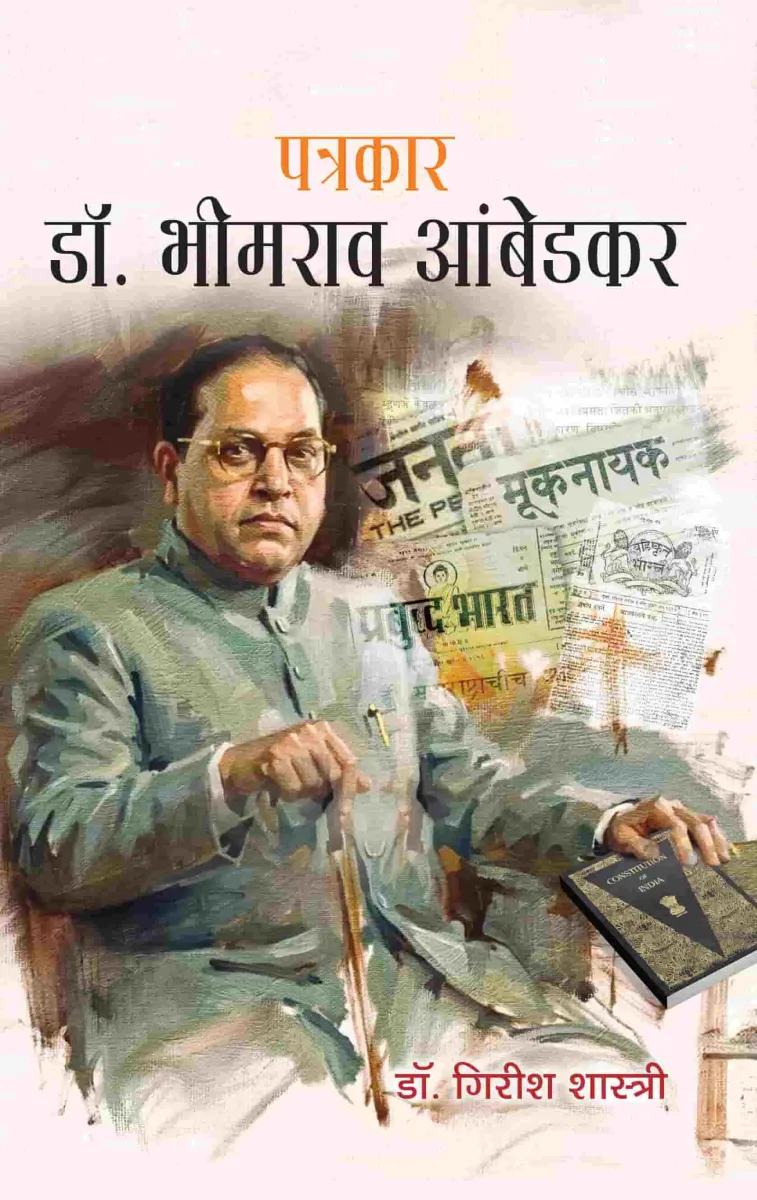
Patrakar Dr. Bhim Rao Ambedkar by Dr. Girish Shastri – Hindi Book on Dr. B. R. Ambedkar, Journalism & Social Thought
Product Description:Patrakar Dr. Bhim Rao Ambedkar by Dr. Girish Shastri is a Hindi book that explores Dr. Bhimrao Ramji Ambedkar’s role as a journalist, writer and social thinker. The book provides readers with an opportunity to understand an important aspect of Ambedkar’s public life and his use of journalism as a means of communicating ideas and addressing social issues.Dr. B. R. Ambedkar used newspapers and journals to express his views on social equality, education, justice, representation and the rights of marginalized communities. This book focuses on the journalistic dimension of his work and places it within the wider context of his intellectual and social contributions.Written by Dr. Girish Shastri, Patrakar Dr. Bhim Rao Ambedkar can be useful for readers and students interested in Dr. B. R. Ambedkar, Indian history, journalism, social reform, political thought and modern India.Key FeaturesWritten by Dr. Girish ShastriHindi book focusing on Dr. B. R. Ambedkar as a journalistExplores Ambedkar’s writings, journalism and social ideasDiscusses themes of equality, education, justice and social reformUseful for students and readers of Indian history and social thoughtSuitable for readers interested in Ambedkar’s intellectual and public lifePerfect ForReaders interested in Dr. B. R. Ambedkar, Indian journalism, social reform, Indian history, political thought and social justice. It can also be a useful reference for students, researchers and readers studying Ambedkar’s contribution to public discourse and modern India.
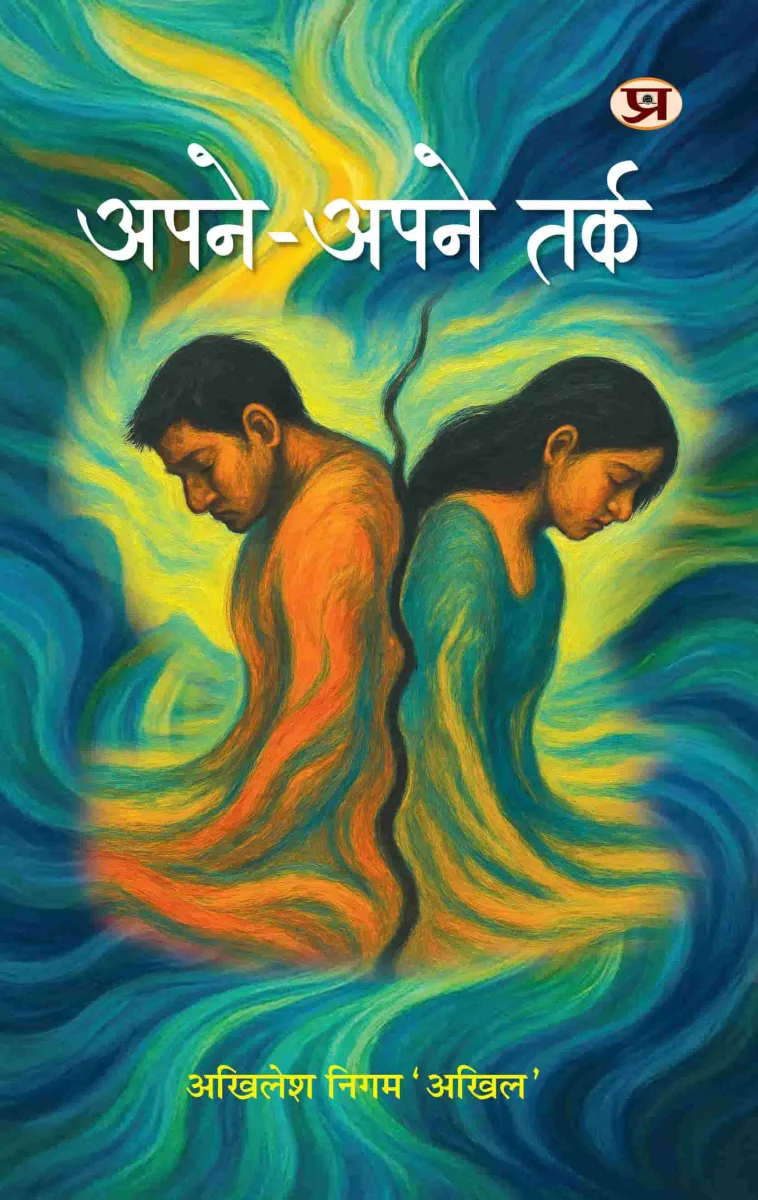
Apne-Apne Tark by Akhilesh Nigam ‘Akhil’ | Hindi Short Stories Book | Society, Human Relationships & Different Perspectives
Explore human emotions, relationships, social realities, and diverse viewpoints through Apne-Apne Tark by Akhilesh Nigam ‘Akhil’.Apne-Apne Tark is a Hindi short-story collection that presents engaging narratives inspired by society, everyday life, human relationships, emotions, and different perspectives. Through its stories, the book encourages readers to look at familiar situations from multiple viewpoints and reflect on the complexities of human behavior and social relationships.Written for readers who enjoy meaningful Hindi literature, this collection combines storytelling with observations about people, relationships, and society.Key FeaturesHindi Short Story Collection: A collection of engaging Hindi stories exploring everyday human experiences.By Akhilesh Nigam ‘Akhil’: Written by Hindi author Akhilesh Nigam ‘Akhil’.Society & Human Relationships: Explores relationships, social situations, emotions, and human behavior.Multiple Perspectives: Encourages readers to consider different viewpoints and interpretations.Thought-Provoking Stories: Stories that invite reflection on everyday life and social experiences.Contemporary Hindi Literature: A suitable addition to a collection of modern Hindi stories.Themes ExploredHuman relationshipsSociety and social behaviorFamily and interpersonal connectionsHuman emotionsDifferent viewpoints and opinionsEveryday experiencesSocial realitiesHuman naturePerfect ForHindi literature readersFans of Hindi short storiesReaders interested in social fictionStudents of Hindi literatureReaders who enjoy relationship-based storiesTeachers and educatorsHindi book collectorsWhy Choose Apne-Apne Tark?Good short stories can turn ordinary situations into opportunities for deeper reflection. Apne-Apne Tark explores the way people interpret relationships, social situations, and everyday experiences differently, making it an engaging choice for readers who enjoy meaningful Hindi storytelling and thought-provoking narratives.Discover stories that explore society, relationships, emotions, and the many ways people see the world with Apne-Apne Tark.Edition, publisher, page count, language, and format may vary depending on the specific edition.
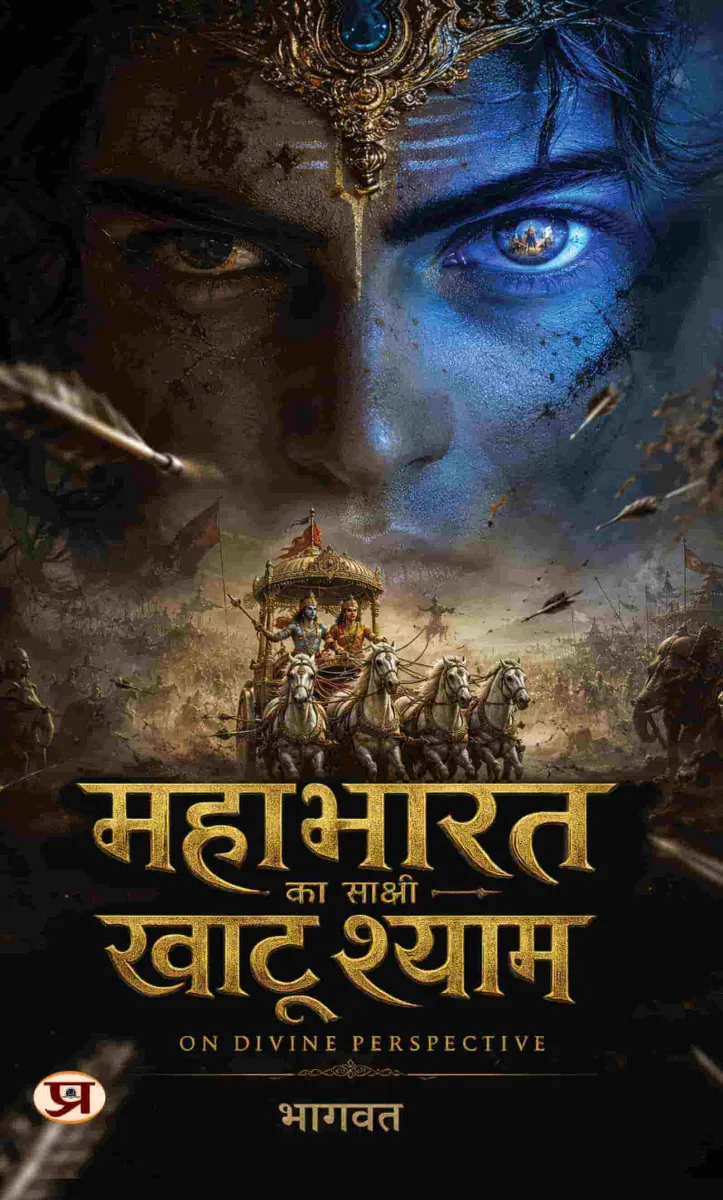
Mahabharat Ka Sakshi Khatu Shyam by Bhagwat | Khatu Shyam Ji & Mahabharata | Hindi Mythology Book | Religious & Devotional Literature
Mahabharat Ka Sakshi Khatu Shyam by Bhagwat is a Hindi mythology and devotional book centered on Khatu Shyam Ji and his connection with the Mahabharata. The book offers readers an opportunity to explore the traditional stories, beliefs, and cultural significance associated with Khatu Shyam Ji within the broader context of the Mahabharata.Written for readers interested in Indian mythology and devotional literature, this book brings together themes of faith, devotion, courage, sacrifice, and spiritual values. It can be a meaningful addition to the personal library of readers who have an interest in Khatu Shyam Ji, Mahabharata stories, Hindu mythology, and Indian religious traditions.The book is suitable for devotional reading as well as for readers who enjoy exploring mythological narratives and the cultural traditions surrounding revered figures from Indian mythology.Key FeaturesWritten by BhagwatFocuses on Khatu Shyam Ji and the MahabharataHindi-language mythology and devotional bookExplores traditional stories and cultural beliefsSuitable for readers interested in Hindu mythology and Indian traditionsUseful for devotional and general spiritual readingA thoughtful choice for readers and devotees interested in Khatu Shyam JiIdeal ForThis book is suitable for readers searching for Khatu Shyam Ji books in Hindi, Mahabharata books, Hindi mythology books, Hindu devotional books, religious literature, Indian mythology books, Khatu Shyam stories, and spiritual reading material.Book Title: Mahabharat Ka Sakshi Khatu ShyamAuthor: BhagwatLanguage: HindiCategory: Hindu Mythology | Devotional Literature | Mahabharata | Spiritual Reading
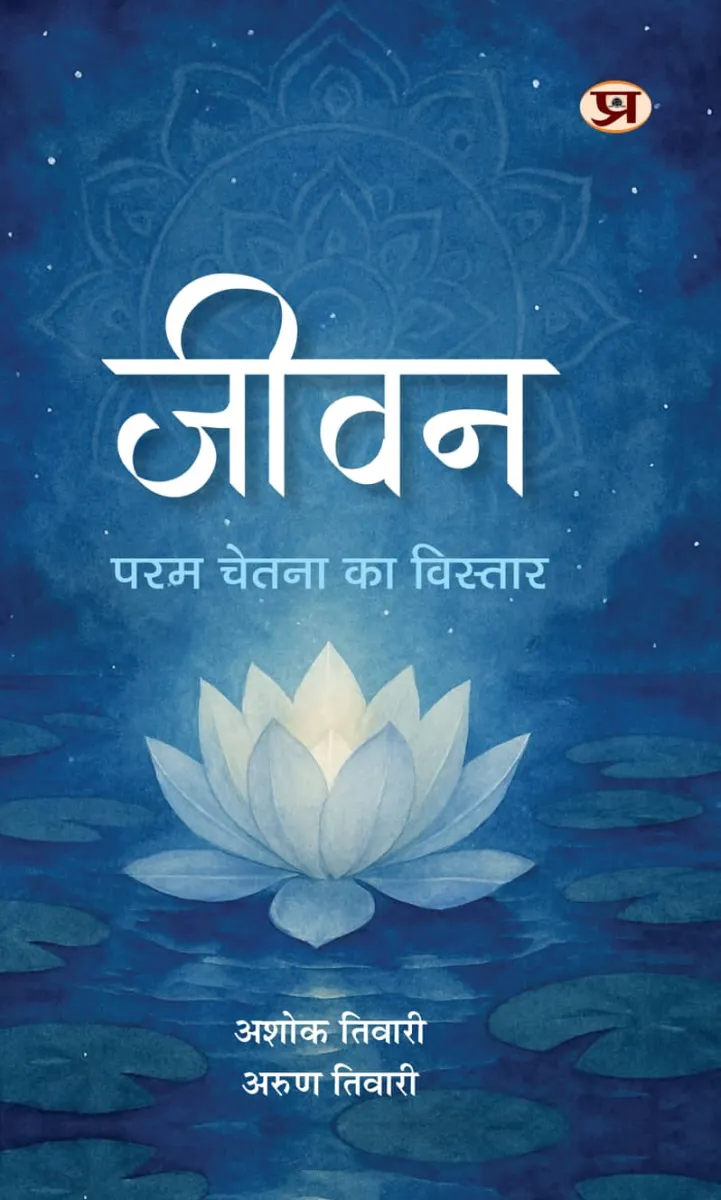
Jeevan: Param Chetna Ka Vistar by Ashok Tiwari & Arun Tiwari – Hindi Book on Life, Consciousness & Spirituality
Product Description:Jeevan: Param Chetna Ka Vistar by Ashok Tiwari and Arun Tiwari is a thought-provoking Hindi book that explores life, consciousness and the deeper dimensions of human existence. The book invites readers to reflect on the meaning of life and the relationship between individual experience and higher consciousness.Through reflective ideas and philosophical perspectives, the authors explore themes related to जीवन (life), चेतना (consciousness), आत्मबोध (self-awareness), spirituality and inner exploration. The book is intended for readers who enjoy philosophical and spiritual literature and are interested in exploring deeper questions about human existence.Jeevan: Param Chetna Ka Vistar offers an opportunity for readers to engage with ideas about consciousness, personal awareness and the possibility of a deeper understanding of life.Key FeaturesWritten by Ashok Tiwari & Arun TiwariHindi-language philosophical and spiritual bookExplores life and the concept of higher consciousnessDiscusses self-awareness and inner explorationEncourages reflection on human existence and spiritualitySuitable for readers interested in philosophy and spiritual literaturePerfect ForReaders interested in Hindi spiritual books, philosophy, consciousness, self-awareness, spirituality and reflective literature. It can also be a meaningful addition to the collection of readers exploring questions about life, existence and inner development.
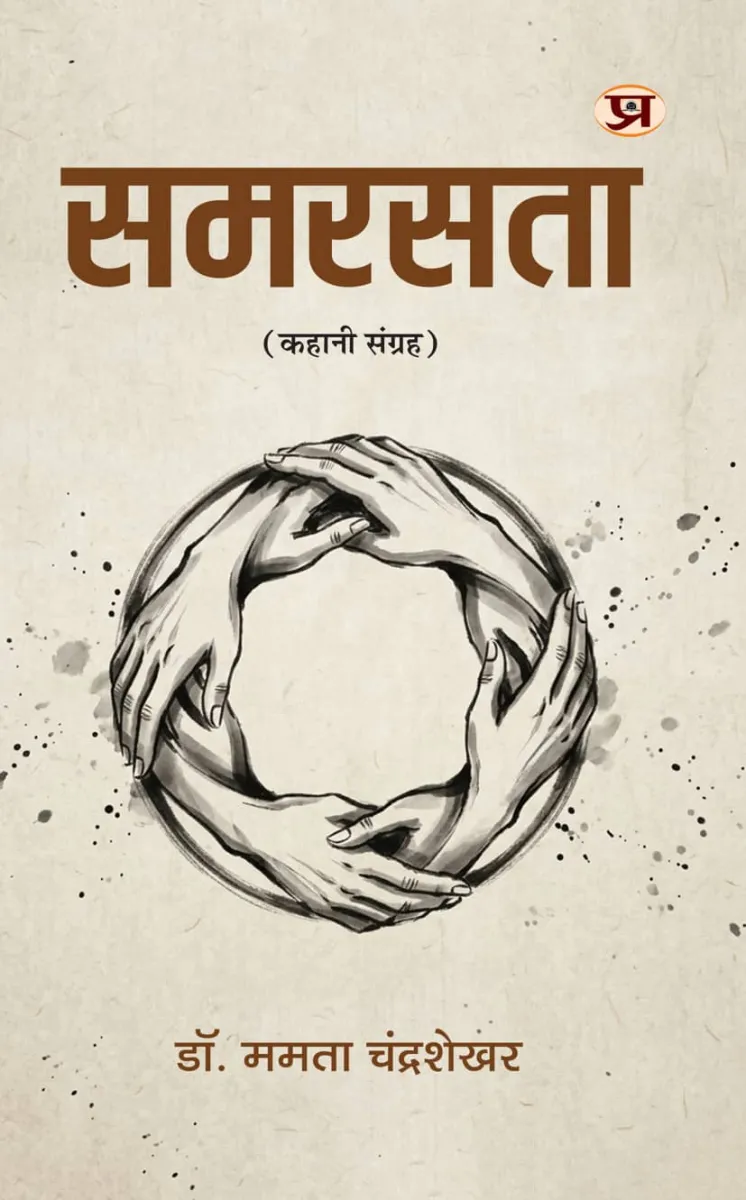
Samrasta by Dr. Mamta Chandrashekhar – Hindi Stories Book on Social Harmony, Equality & Human Values
Product Description:Samrasta by Dr. Mamta Chandrashekhar is a Hindi collection of stories that explores themes of social harmony, equality, human relationships, compassion and shared values. Through engaging narratives and relatable characters, the book reflects on different aspects of society and the importance of understanding, empathy and mutual respect.The stories offer readers an opportunity to look at social relationships and everyday experiences from different perspectives. With its focus on समरसता (harmony), सामाजिक संवेदना (social sensitivity), मानवता (humanity) and human values, Samrasta can appeal to readers who enjoy meaningful and socially relevant Hindi literature.Key FeaturesWritten by Dr. Mamta ChandrashekharHindi stories collectionExplores themes of social harmony and human valuesFocuses on relationships, empathy and social sensitivityThought-provoking and socially relevant narrativesSuitable for readers interested in contemporary Hindi literaturePerfect ForReaders who enjoy Hindi short stories, social fiction, human-interest narratives and literature focused on society, relationships and human values. Samrasta can also be a thoughtful addition to the collection of readers interested in socially conscious Hindi writing.