Categories
- All Products
-
Book Store
- Academic Books
- State PSC Books
- GATE & PSU Books
- CSIR-NET
- IIT-JAM Books
- UGC-NET JRF Books
- SSC, Banking, Railway & Other Government Exams
- Engineering and Technical Exams
- NCERT & Other Reference Books
- UPSC Books
- Learn Beyond Academics
- IIT-JEE | NEET Foundation (Class 9 & 10)
- IIT-JEE | NEET Foundation (Class 11 & 12)
- Judiciary Books
- Common Books for almost Every Competitive Exam
- Other Competitive Exam Books
- Coaching Notes
- Handwritten Notes
-
Test Series & PYQ Books
- For UPSC Solved Papers & PYQs Books
- For GATE & PSU Solved Papers & PYQs Books
- Class 9 to 12 Solved Papers & PYQs Books
- For IITJEE |NEET
- State-PSC
- Engineering and Technical Exams Solved Paper & PYQs
-
SSC, Banking & Other Government Exams Solved Papers & PYQs Books
- SSC (CGL, CHSL, MTS, CPO, GD) Solved Papers & PYQs Books
- Banking (IBPS PO, Clerk, SBI PO, RBI) Solved Papers & PYQ Books
- Railway (NTPC, Group D, ALP, Technician, Other RRB Exams ) Solved Paper & PYQs
- Defence Exams (NDA, CDS, AFCAT, CAPF) Solved Papers & PYQ Books
- Teaching Exam (CTET, UPTET, DSSSB, KVS, NVS, TGT, PGT, EMRS)Solved Papers & PYQ Books
- UGC NET JRF Solved Papers & PYQ Books
- CSIR NET GATE Solved Papers & PYQ Books
- Other Competitive Exam Solved Papers & PYQ Books
- E-Books
- Inspirational Book
- Magazines
- Stationery
Inspirational Book
Find reference notes, study guides, and dynamic curriculum files for inspirational book preparation.
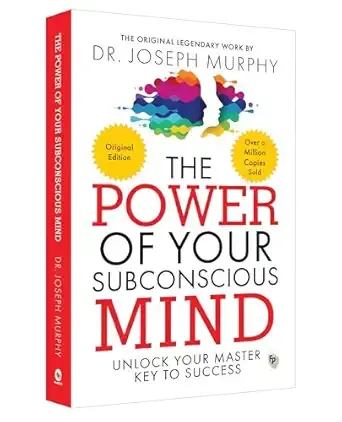
The Power of Your Subconscious Mind: Original Classic Edition | Premium Paperback
The Power of Your Subconscious Mind is one of the most influential self-help classics ever written. In this book, Joseph Murphy explains how the subconscious mind shapes beliefs, behaviors, emotions, and life outcomes. Through practical techniques, affirmations, visualization, and real-life examples, he demonstrates how readers can harness the power of their subconscious to improve health, relationships, confidence, finances, and overall success. The book combines principles of psychology, positive thinking, and spirituality to encourage lasting personal transformation. Key TopicsThe power of the subconscious mindPositive thinking and affirmationsVisualization techniquesGoal achievement and successBuilding self-confidenceOvercoming fear and limiting beliefsHealth and emotional well-beingProsperity and abundanceRelationships and forgivenessPersonal transformationMain TakeawaysYour subconscious mind responds to the thoughts and beliefs you repeatedly hold.Positive affirmations and visualization can help reshape habitual thinking.Replacing fear and doubt with constructive beliefs supports personal growth.Consistent mental habits influence success, happiness, and well-being over time. Target AudienceThis book is suitable for readers interested in:Personal developmentSelf-improvementPositive psychologyMindfulness and motivationBuilding confidenceAchieving personal and professional goals
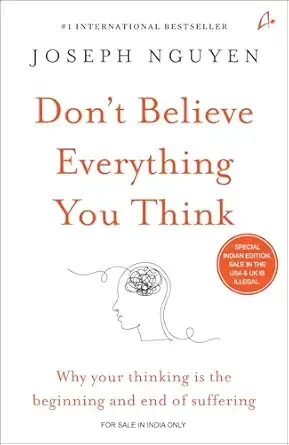
Don't Believe Everything You Think (English)
DescriptionDon't Believe Everything You Think explores the idea that much of our emotional suffering comes not from external events but from the thoughts we attach to them. Joseph Nguyen argues that peace, happiness, and clarity emerge naturally when we stop identifying with every thought that enters our minds. Drawing on mindfulness and reflective practices, the book encourages readers to observe their thinking instead of automatically believing it.Key TopicsOverthinking and mental clutterMindfulness and present-moment awarenessReducing anxiety and stressLetting go of limiting beliefsEmotional resilienceInner peace and self-awarenessLiving with greater clarityMain TakeawaysThoughts are not always facts.Many negative emotions are amplified by habitual thinking patterns.Observing thoughts without judgment can reduce unnecessary suffering.Peace comes from changing your relationship with your thoughts rather than trying to control every thought.
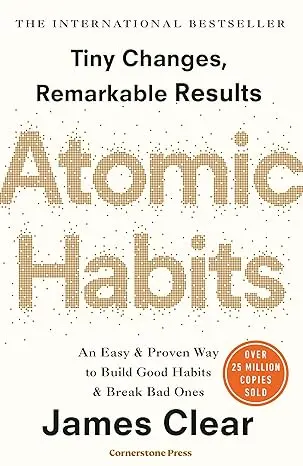
Atomic Habits: Tiny Changes, Remarkable Results
Atomic Habits is a bestselling self-improvement book by James Clear that explains how small, consistent changes in behavior can lead to significant improvements over time. Rather than focusing on dramatic transformations, the book argues that lasting success comes from making tiny habits that compound day after day.OverviewThe central idea is that improving by just 1% each day can produce remarkable long-term results. The book emphasizes building effective systems instead of chasing ambitious goals. Goals define what you want to achieve, while systems are the daily processes that make those achievements possible.Key ConceptsThe Power of Tiny Habits: Small improvements accumulate over time, much like compound interest.Identity-Based Habits: Instead of focusing on outcomes ("I want to run a marathon"), focus on becoming the type of person who performs the behavior ("I am a runner").The Habit Loop: Every habit follows four stages:Cue – the trigger for the behavior.Craving – the motivation or desire.Response – the action you take.Reward – the benefit that reinforces the habit.The Four Laws of Behavior Change:Make it obvious.Make it attractive.Make it easy.Make it satisfying.Practical StrategiesThe book offers actionable techniques, including:Habit stacking: Link a new habit to an existing one.Environment design: Arrange your surroundings to encourage good habits and discourage bad ones.The two-minute rule: Make new habits so easy they take less than two minutes to start.Tracking habits: Monitor consistency to stay motivated and identify patterns.Main TakeawayThe book's message is that remarkable results are not the product of massive breakthroughs but of small, consistent actions repeated over time. By focusing on improving your daily systems and building habits that align with the person you want to become, you can achieve meaningful and lasting personal growth.This book is widely recommended for readers interested in productivity, personal development, health, learning, and long-term behavior change because it combines psychological principles with practical, easy-to-apply advice.

The Monk Who Sold His Ferrari by Robin Sharma
The Monk Who Sold His Ferrari by Robin Sharma is a bestselling self-help fable by Robin Sharma, first published in 1999. It tells the story of Julian Mantle, a highly successful lawyer who suffers a heart attack, sells his luxurious possessions—including his Ferrari—and travels to the Himalayas in search of a more meaningful life. There, he learns timeless principles for happiness, discipline, and personal growth, which he later shares with his friend John. Key lessons from the bookMaster your mind: Your thoughts shape your life. Practice meditation and positive thinking.Follow your purpose: Discover what truly matters and align your life with it.Practice Kaizen: Improve yourself a little every day through continuous learning.Value time: Spend your time on what is meaningful instead of being busy without purpose.Live in the present: Enjoy the current moment instead of dwelling on the past or worrying about the future.Serve others: Lasting happiness comes from helping and contributing to others.Build discipline: Success is created through consistent daily habits.Who should read it?This book is ideal if you:Feel stressed or burned out.Want better work–life balance.Are interested in mindfulness and personal development.Want practical life lessons presented through a simple story.Memorable quote:"The quality of your life is determined by the quality of your thoughts."
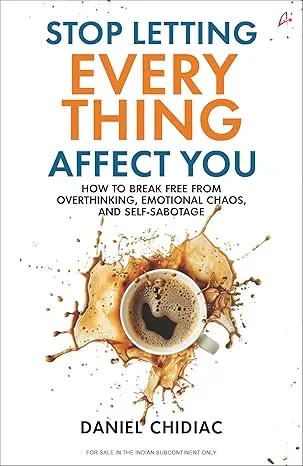
Stop Letting Everything Affect You: How to break free from overthinking, emotional chaos, and self-sabotage | Author: Daniel Chidiac
Stop Letting Everything Affect You: How to Break Free from Overthinking, Emotional Chaos, and Self-SabotageBook DescriptionStop Letting Everything Affect You is a practical self-help guide for anyone who feels overwhelmed by constant overthinking, emotional ups and downs, and self-defeating habits. The book provides actionable strategies to help readers develop emotional resilience, regain control over their thoughts, and respond to life's challenges with greater confidence and clarity.Instead of allowing criticism, setbacks, or the opinions of others to dictate your emotions, this book teaches you how to build a healthier mindset, set boundaries, and focus on what truly matters. Through easy-to-understand concepts, relatable examples, and practical exercises, readers learn to break free from negative thinking patterns, reduce anxiety, and cultivate inner peace.The book explores essential topics such as emotional intelligence, self-awareness, stress management, confidence building, and personal growth. It encourages readers to replace self-doubt with self-belief, transform destructive habits into positive routines, and develop the mental strength needed to navigate everyday challenges.Whether you're struggling with overthinking, people-pleasing, fear of failure, or emotional exhaustion, Stop Letting Everything Affect You offers valuable insights and practical techniques to help you create a calmer, more balanced, and more fulfilling life.Key HighlightsLearn practical strategies to overcome overthinking and negative thought patterns.Build emotional resilience and stop absorbing unnecessary stress.Break free from self-sabotaging behaviors and limiting beliefs.Develop healthier boundaries and improve self-confidence.Understand emotional triggers and learn how to respond instead of react.Discover techniques for reducing anxiety and cultivating inner peace.Improve decision-making, focus, and overall mental well-being.Ideal for readers interested in self-improvement, emotional intelligence, and personal development.If you're ready to stop letting every setback, opinion, or difficult emotion control your life, this book offers a practical roadmap toward greater emotional freedom, resilience, and lasting personal growth.
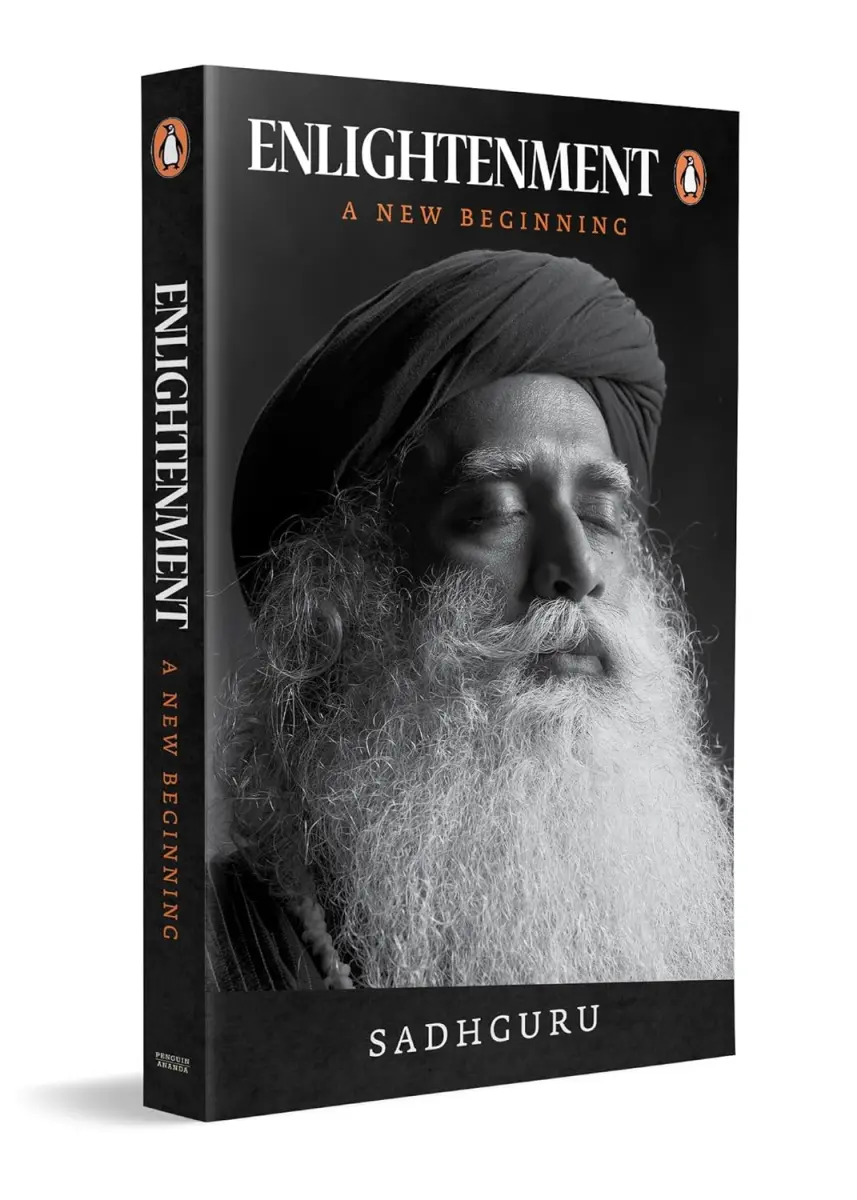
Enlightenment: A New Beginning
Enlightenment: A New BeginningBook DescriptionEnlightenment: A New Beginning by Sadhguru is a thought-provoking exploration of one of humanity's oldest and most profound questions: What does it truly mean to be enlightened? Rather than presenting enlightenment as a distant mystical achievement reserved for a select few, Sadhguru explains it as a living possibility that begins with inner awareness, clarity, and conscious living.Drawing on decades of spiritual experience and practical wisdom, Sadhguru challenges common misconceptions about spirituality and encourages readers to look beyond beliefs, rituals, and inherited ideas. Through insightful discussions, relatable examples, and practical guidance, he invites readers to understand the nature of the mind, emotions, body, and consciousness, opening the door to a more balanced, joyful, and meaningful life.The book explores essential themes such as self-discovery, inner transformation, meditation, mindfulness, happiness, and the pursuit of lasting well-being. Sadhguru's accessible writing style makes complex spiritual concepts easy to understand, helping readers apply timeless wisdom to modern-day challenges, relationships, work, and personal growth.Whether you are just beginning your spiritual journey or have been exploring the path for years, Enlightenment: A New Beginning serves as both an inspiring introduction and a practical companion. It encourages readers to move beyond limitations, cultivate greater awareness, and discover the freedom that comes from understanding their true nature.This book is ideal for anyone seeking inner peace, personal transformation, emotional balance, and a deeper connection with life. It offers a fresh perspective on spirituality—one that is practical, experiential, and relevant to everyday living.Key Highlights:Explains the true meaning of enlightenment in a practical and accessible way.Offers insights into meditation, mindfulness, and conscious living.Encourages self-awareness, inner growth, and emotional well-being.Challenges common myths about spirituality with clarity and simplicity.Suitable for both beginners and experienced spiritual seekers.Written in Sadhguru's engaging, thought-provoking, and easy-to-read style.An inspiring guide to awakening your inner potential, Enlightenment: A New Beginning reminds readers that the journey toward a more conscious and fulfilling life begins within.

Faith & Business by David Mosberg
Faith & Business by David Mosberg | A Practical Guide to Ethical Leadership and Purpose-Driven SuccessFaith & Business by David Mosberg explores how faith-based values can shape ethical leadership, responsible decision-making, and long-term business success. The book encourages entrepreneurs, professionals, and business leaders to integrate integrity, purpose, and service into their daily work while pursuing sustainable growth.Drawing on real-world insights and practical principles, the author demonstrates how values such as honesty, accountability, compassion, and stewardship can strengthen organizations, build trust, and create a positive impact on employees, customers, and society. Rather than viewing faith and business as separate, the book presents a framework for aligning personal beliefs with professional responsibilities.Whether you are an entrepreneur, manager, student of business, or someone interested in values-driven leadership, Faith & Business offers thoughtful guidance on leading with character while achieving meaningful success.Key Features:Language: EnglishSuitable For: Entrepreneurs, Business Leaders, Management Students, Professionals, and Aspiring LeadersWhy Read This Book?Learn the principles of ethical and purpose-driven leadership.Understand how personal values can influence business decisions.Gain practical insights into building trust and long-term success.Explore the relationship between faith, integrity, and professional excellence.Ideal for readers interested in responsible entrepreneurship and values-based management.

Pride And Prejudice by Jane Austen | best Novel
Pride and Prejudice by Jane Austen | Best Classic NovelPride and Prejudice by Jane Austen is one of the most celebrated novels in English literature. First published in 1813, this timeless classic follows the intelligent and spirited Elizabeth Bennet as she navigates love, family, society, and personal growth. Her evolving relationship with the proud yet honorable Mr. Darcy forms the heart of a story filled with wit, romance, and unforgettable characters.Austen masterfully explores themes of love, pride, prejudice, marriage, social class, and self-discovery, making the novel as relevant today as it was over two centuries ago. Renowned for its sharp dialogue, humor, and keen observations of human nature, Pride and Prejudice remains a favorite among readers of all ages.Whether you're a student, a literature enthusiast, or simply looking for a beautifully written romantic classic, Pride and Prejudice is an essential addition to your bookshelf.Key FeaturesAuthor: Jane AustenGenre: Classic Fiction, Romance, Literary FictionLanguage: EnglishFirst Published: 1813Suitable For: Students, Literature Lovers, Competitive Exam Aspirants, General ReadersWhy Read It?One of the greatest novels ever written.Timeless story of love and personal growth.Rich literary style with memorable characters.Ideal for improving English vocabulary and literary appreciation.Frequently recommended for academic and competitive exam reading.Experience one of the world's greatest love stories with Jane Austen's masterpiece, Pride and Prejudice—a novel that continues to inspire generations of readers.
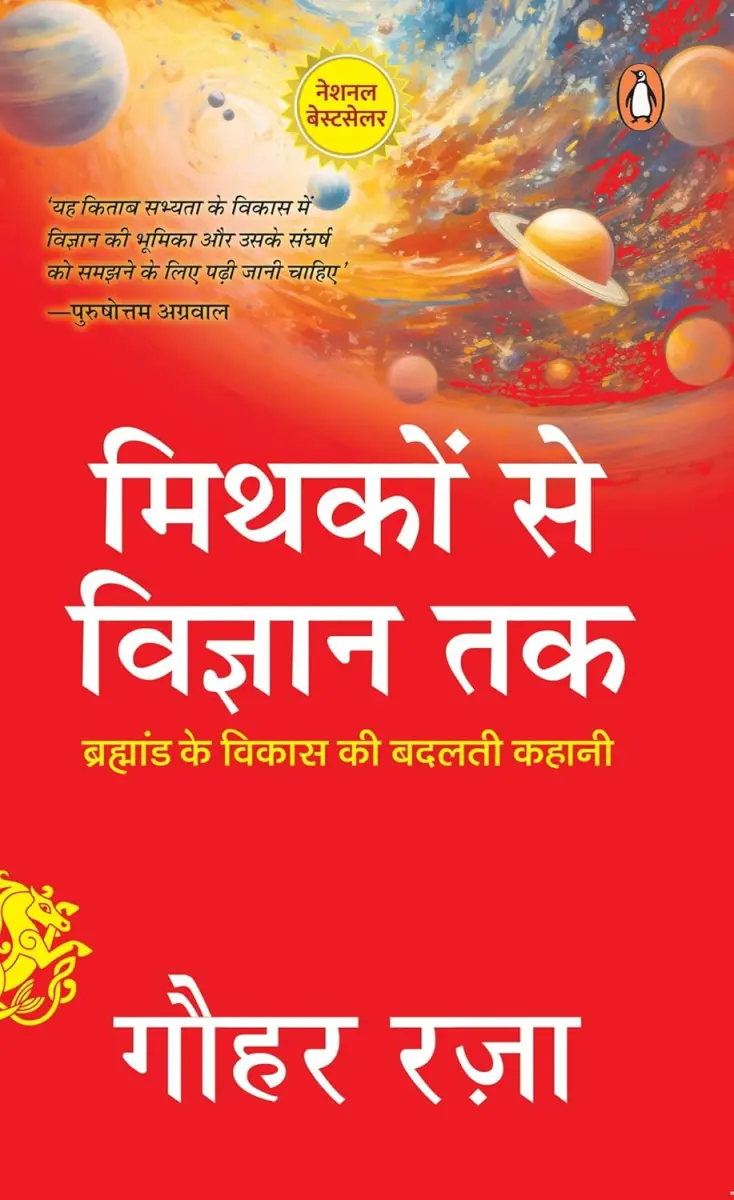
Mythakon Se Vigyan Tak / मिथकों से विज्ञान तक: Brahmand Ke Vikas Ki Badalti Kahani / ब्रह्मांड के विकास की बदलती कहानी
मिथकों से विज्ञान तक: ब्रह्मांड के विकास की बदलती कहानी :एक रोचक विज्ञान पुस्तक है जो ब्रह्मांड की उत्पत्ति और विकास को प्राचीन मिथकों, धार्मिक मान्यताओं तथा आधुनिक वैज्ञानिक खोजों के संदर्भ में प्रस्तुत करती है। सरल भाषा में लिखी गई यह पुस्तक बिग बैंग सिद्धांत, आकाशगंगाओं, तारों, ग्रहों और ब्रह्मांड के विकास से जुड़े वैज्ञानिक तथ्यों को सहज रूप से समझाती है। यह विद्यार्थियों, प्रतियोगी परीक्षा अभ्यर्थियों, विज्ञान प्रेमियों तथा सामान्य पाठकों के लिए समान रूप से उपयोगी है।मुख्य विशेषताएँमिथकों से आधुनिक विज्ञान तक ब्रह्मांड की समझ का विकास।बिग बैंग सिद्धांत एवं ब्रह्मांड के विकास की सरल व्याख्या।खगोल विज्ञान और ब्रह्मांड विज्ञान से जुड़े रोचक तथ्य।सरल एवं सहज भाषा में प्रस्तुत।विद्यार्थियों, प्रतियोगी परीक्षाओं के अभ्यर्थियों और विज्ञान में रुचि रखने वाले पाठकों के लिए उपयोगी।

Buri Aurat Ki Pahali Katha (बुरी औरत की पहली कथा)
पुस्तक विवरण:संक्षिप्त परिचययह पाकिस्तान की प्रसिद्ध नारीवादी कवयित्री और लेखिका किश्वर नाहीद की चर्चित आत्मकथा का पहला भाग है। इसमें उनके बचपन, परिवार, सामाजिक बंधनों, स्त्री-असमानता, शिक्षा, साहित्यिक जीवन और पितृसत्तात्मक समाज के विरुद्ध उनके संघर्ष का सशक्त चित्रण मिलता है। यह केवल एक व्यक्तिगत जीवन-कथा नहीं, बल्कि दक्षिण एशियाई समाज में महिलाओं की स्थिति और सामाजिक बदलाव का महत्वपूर्ण दस्तावेज़ भी है। संक्षिप्त परिचय: किश्वर नाहीदकिश्वर नाहीद का जन्म सन् 1940 में एक पारम्परिक मध्यवर्गीय घराने में हुआ था। सन् 1949 में पश्चिमी उत्तर प्रदेश के बुलन्दशहर से वह अपने परिवार के साथ लाहौर चली गयीं। उनके पहले कविता-संग्रह, लब-ए गोया (1968), ने उन्हें एक नयी बुलन्द आवाज़ के रूप में पहचान दी और पाकिस्तान के नारीवादी आन्दोलन में विशेष भूमिका के साथ स्थापित किया। जनरल ज़िया-उल-हक़ की ज़्यादतियों के बीच उनकी कविता हम गुनहगार औरतें फ़ासीवादी सियासत के विरोध का समूहगान बन गयी और तब से अब तक प्रतिरोध का एक स्थायी प्रतीक बनी हुई है। उनके प्रत्येक कविता-संग्रह ने मानवाधिकारों और प्रगतिशील सोच वाली बुलन्द आवाज़ के रूप में उनकी प्रतिष्ठा को बढ़ाया है। उनकी कृतियों में वर्क़ वर्क़ आईना, गलियन धूप दरवाज़े, औरत-मर्द का रिश्ता, रात के मुसाफ़िर, शेर और बकरी, जादू की हँडिया, चाँद की बेटी, आबाद ख़राबा और उनकी आत्मकथा बुरी औरत की ख़ता शामिल हैं। उनकी संगृहीत कृतियाँ कुल्लियात दश्त-ए-क़ैस में लैला में पायी जा सकती हैं।

How to Convert the Money from My Mind to My Bank Account
How to Convert the Money from My Mind to My Bank AccountShort Description About Books:How to Convert the Money from My Mind to My Bank Account is a practical self-improvement and entrepreneurship guide that focuses on turning ideas into real income. Rather than promoting quick-rich schemes, the book encourages readers to develop valuable skills, solve real-world problems, take consistent action, and build sustainable sources of income.Drawing on lessons from setbacks, persistence, and personal growth, Emmanuel O.A. emphasizes that financial success comes from execution, discipline, and continuous learning. The book is aimed at aspiring entrepreneurs, freelancers, creators, and anyone looking to transform their knowledge and ideas into tangible financial results.Key Topics CoveredDeveloping a wealth-oriented mindsetTurning ideas into profitable opportunitiesBuilding skills that create valueOvercoming fear, failure, and self-doubtCreating multiple income streamsFinancial discipline and long-term thinkingTaking consistent action instead of waiting for the perfect momentWho Should Read This Book?Students and fresh graduatesAspiring entrepreneursFreelancers and creatorsProfessionals seeking additional incomeAnyone interested in personal finance, entrepreneurship, and self-developmentCategory: Personal Finance | Entrepreneurship | Self-Help | Business Motivation
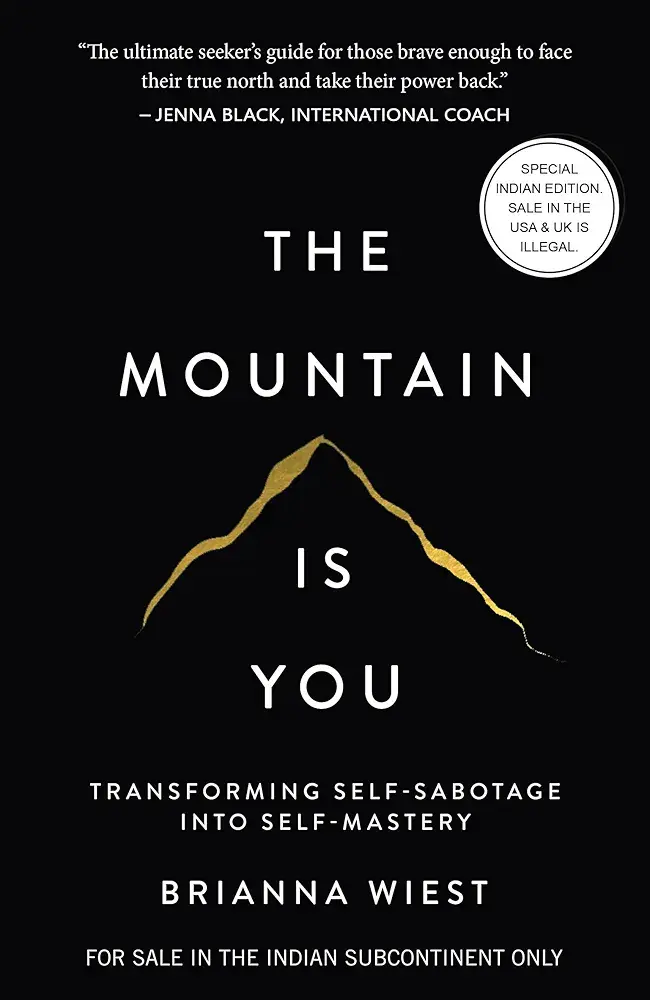
The Mountain Is You: Transforming Self-Sabotage Into Self-Mastery (English)
This is a book about self-sabotage. Why we do it, when we do it, and how to stop doing it—for good. Coexisting but conflicting needs create self-sabotaging behaviors. This is why we resist efforts to change, often until they feel completely futile. But by extracting crucial insight from our most damaging habits, building emotional intelligence by better understanding our brains and bodies, releasing past experiences at a cellular level, and learning to act as our highest potential future selves, we can step out of our own way and into our potential. For centuries, the mountain has been used as a metaphor for the big challenges we face, especially ones that seem impossible to overcome. To scale our mountains, we actually have to do the deep internal work of excavating trauma, building resilience, and adjusting how we show up for the climb. In the end, it is not the mountain we master, but ourselves.