Categories
- All Products
-
Book Store
- Academic Books
- State PSC Books
- GATE & PSU Books
- CSIR-NET
- IIT-JAM Books
- UGC-NET JRF Books
- SSC, Banking, Railway & Other Government Exams
- Engineering and Technical Exams
- NCERT & Other Reference Books
- UPSC Books
- Learn Beyond Academics
- IIT-JEE | NEET Foundation (Class 9 & 10)
- IIT-JEE | NEET Foundation (Class 11 & 12)
- Judiciary Books
- Common Books for almost Every Competitive Exam
- Other Competitive Exam Books
- Coaching Notes
- Handwritten Notes
-
Test Series & PYQ Books
- For UPSC Solved Papers & PYQs Books
- For GATE & PSU Solved Papers & PYQs Books
- Class 9 to 12 Solved Papers & PYQs Books
- For IITJEE |NEET
- State-PSC
- Engineering and Technical Exams Solved Paper & PYQs
-
SSC, Banking & Other Government Exams Solved Papers & PYQs Books
- SSC (CGL, CHSL, MTS, CPO, GD) Solved Papers & PYQs Books
- Banking (IBPS PO, Clerk, SBI PO, RBI) Solved Papers & PYQ Books
- Railway (NTPC, Group D, ALP, Technician, Other RRB Exams ) Solved Paper & PYQs
- Defence Exams (NDA, CDS, AFCAT, CAPF) Solved Papers & PYQ Books
- Teaching Exam (CTET, UPTET, DSSSB, KVS, NVS, TGT, PGT, EMRS)Solved Papers & PYQ Books
- UGC NET JRF Solved Papers & PYQ Books
- CSIR NET GATE Solved Papers & PYQ Books
- Other Competitive Exam Solved Papers & PYQ Books
- E-Books
- Inspirational Book
- Magazines
- Stationery
UPSC Books
Browse our collection of upsc books textbooks, solutions, and premium test series.
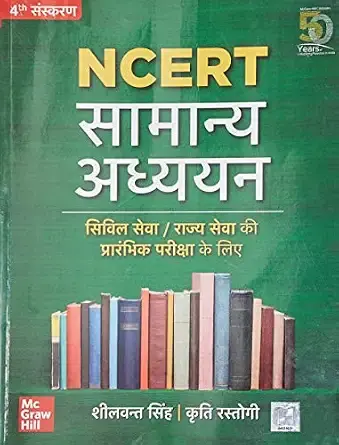
NCERT Samanya Adhyayan (Hindi) | एनसीईआरटी सामान्य अध्ययन | UPSC Civil Seva/ Rajya Seva Ki Prarambhik Pariksha Ke Liye | 4th Edition
NCERT Samanya Adhyayan (Hindi) — 4th Edition is a Hindi-medium General Studies preparation book designed primarily for the UPSC Civil Services Preliminary Examination and State PCS/Rajya Seva preliminary examinations. It brings together the foundational concepts generally studied through NCERT textbooks into a more consolidated, exam-oriented format.🎯 UPSC Prelims के लिए उपयोगितायह पुस्तक खास तौर पर उन विद्यार्थियों के लिए उपयोगी हो सकती है जो हिंदी माध्यम में बेसिक GS को एक जगह से revise करना चाहते हैं।इसका उपयोग इन उद्देश्यों के लिए किया जा सकता है:NCERT-level concepts का quick revisionPrelims के static portion की foundation मजबूत करनाविभिन्न subjects के बीच basic conceptual connections बनानाUPSC और State PCS के शुरुआती preparation phase में reference material के रूप मेंपरीक्षा से पहले rapid revision के लिए
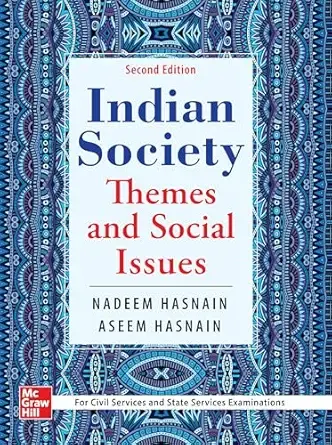
(Old Edition) Indian Society: Themes and Social Issues | 2e
Indian Society: Themes and Social Issues — 2nd Edition is a UPSC-oriented book focused on the Indian Society portion of UPSC Civil Services Mains General Studies Paper-I (GS-I). It examines the structure, diversity, institutions and contemporary challenges of Indian society, with emphasis on understanding social change and its implications for development and governance.🎯 UPSC GS-I relevanceThe book is particularly relevant to the “Indian Society” section of GS Paper-I, where UPSC asks analytical questions rather than merely factual ones.It can help you prepare themes such as:Indian society and diversityRole of women and women's organisationsPopulation and associated issuesPoverty and developmental issuesUrbanisation and its problemsEffects of globalisationSocial empowermentCommunalismRegionalismSecularism
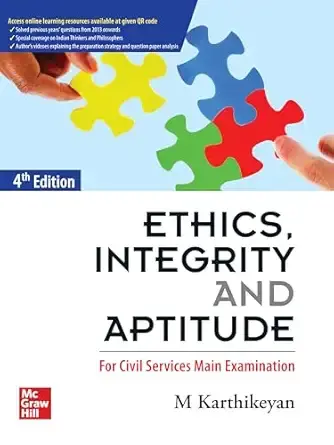
(Old Edition) Ethics, Integrity and Aptitude | 4e
Ethics, Integrity and Aptitude — 4th Edition is a UPSC Civil Services examination book focused on General Studies Paper-IV (GS-IV), commonly known as the Ethics, Integrity and Aptitude paper. It is intended to help aspirants understand ethical concepts, develop analytical approaches to case studies, and prepare structured answers for the UPSC Mains examination.📖 Major areas coveredThe book deals with the core themes prescribed in the UPSC GS-IV syllabus:Ethics and human values — nature and determinants of ethics, consequences of ethical actions, values and their role in personal and professional life.Human values — lessons from the lives and teachings of great leaders, reformers and administrators.Attitude — components of attitude, its influence on thought and behaviour, moral and political attitudes, and persuasion.Aptitude and foundational values for civil services — integrity, impartiality, objectivity, non-partisanship, empathy, tolerance and compassion.Emotional Intelligence (EI) — concepts, application and usefulness in administration and governance.Moral thinkers and philosophers — important ethical ideas and their application to contemporary administrative situations.Public/Civil Service values — ethical governance, accountability, transparency, responsibility and dedication to public service.Probity in governance — concepts such as transparency, RTI, codes of ethics, codes of conduct, citizen charters and work culture.Corruption and ethical challenges — causes, consequences and approaches to combating corruption.Case studies — practical situations requiring ethical reasoning, prioritisation, stakeholder analysis and decision-making.
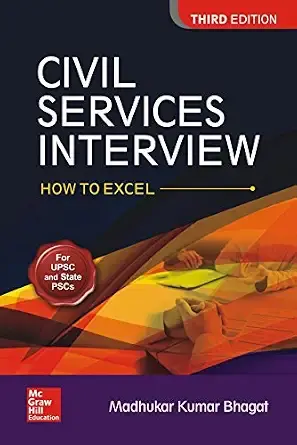
Civil Services Interview: How to Excel(English)|3rd Edition|UPSC|Civil Services Exam|State PSC
Civil Services Interview: How to Excel, 3rd Edition is an English-language preparation book aimed at candidates appearing for the UPSC Civil Services Personality Test as well as State PSC interviews. It is designed to help candidates move beyond factual preparation and develop the personality, communication, judgement and confidence expected in an interview.📖 What the book focuses onThe book primarily deals with the practical aspects of facing a civil services interview:Understanding the Personality Test — its purpose, structure and what the interview board looks for.Interview preparation strategy — how to prepare systematically before appearing before the board.DAF-based preparation — identifying likely questions from your educational background, hometown, interests, achievements, work experience and other information mentioned in the Detailed Application Form.Current affairs — preparing important national and international issues and developing balanced opinions.General awareness — connecting static knowledge with contemporary issues.Personality development — confidence, composure, presence of mind and a positive attitude.Communication skills — clarity, brevity, logical expression and effective verbal communication.Situational questions — approaching ethical, administrative and hypothetical situations with maturity.Opinion-based questions — expressing a reasoned view without becoming argumentative or excessively rigid.Frequently asked interview questions — useful for understanding the kinds of questions candidates may encounter.Mock-interview approach — practice-oriented guidance to improve performance under interview conditions.
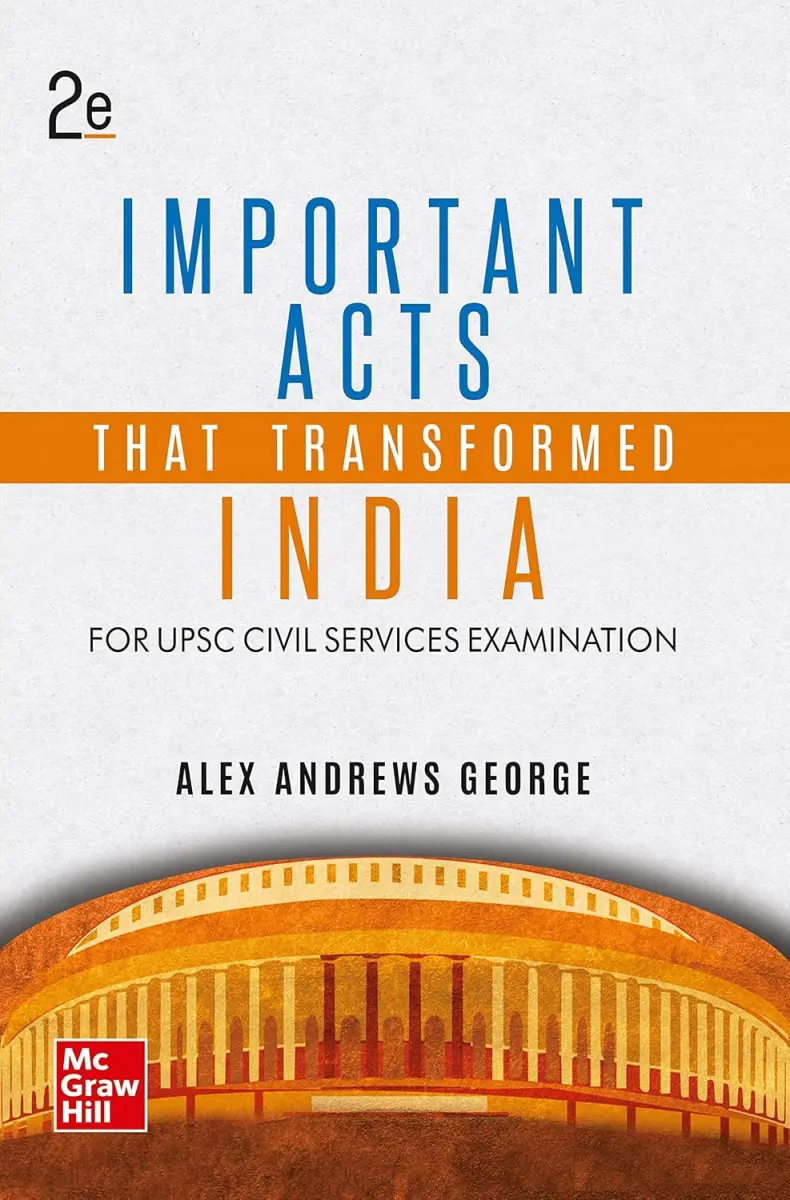
Important Acts that transformed India, 2e for UPSC CSE 2026
Important Acts That Transformed India, 2nd Edition is a UPSC-oriented book focused on the major Acts and legislative developments that shaped modern India. It is particularly relevant for UPSC Civil Services Examination, especially Prelims and GS Paper-II (Polity & Governance), with historical legislation also supporting GS Paper-I.📚 What the book coversThe book examines important legislation through the context, provisions, significance and impact of the Acts. Major areas include:Constitutional and administrative Acts under British ruleRegulating Act, 1773Charter ActsGovernment of India ActsIndian Councils ActsIndian Independence Act, 1947Acts related to the freedom movement and social reformImportant legislation concerning education, social reform and civil rights.Laws that influenced the development of Indian society and political consciousness.Post-Independence legislationImportant laws that contributed to India's political, economic and social transformation.Major constitutional, governance and institutional developments.Economic and financial legislationLaws affecting taxation, economic reforms, markets and financial institutions.Social-justice legislationActs concerning equality, disadvantaged groups, women, children, labour and welfare.Governance and transparencyLegislation dealing with administration, accountability, transparency and citizens' rights.Environmental legislationMajor Acts dealing with forests, wildlife, pollution and environmental protection.Contemporary and transformative legislationImportant recent laws whose provisions and implications can be relevant to UPSC Prelims and Mains.
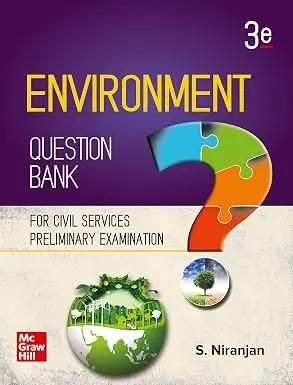
Environment Question Bank for UPSC Pre Exam|English| 3rd Edition|UPSC |Civil Services Exam
Environment Question Bank for UPSC Pre Exam | English | 3rd Edition is a practice-oriented book designed specifically for UPSC Civil Services Preliminary Examination. It focuses on solving a large number of environment and ecology MCQs rather than providing a conventional textbook-style treatment of the subject.📚 What the book coversThe question bank generally focuses on the major Environment & Ecology areas relevant to UPSC Prelims:Ecology fundamentals — ecosystems, food chains, food webs, ecological pyramids, energy flow and biogeochemical cycles.Biodiversity — species diversity, genetic diversity, hotspots, endangered species and conservation.Protected areas — national parks, wildlife sanctuaries, biosphere reserves, conservation reserves and tiger reserves.Environmental pollution — air, water, soil, noise and marine pollution.Climate change — greenhouse gases, global warming, carbon cycle, mitigation and adaptation.International environmental conventions — important agreements, protocols, organisations and environmental initiatives.Indian environmental laws and institutions — major Acts, policies and regulatory bodies.Forests and wildlife — forest types, wildlife conservation and related government programmes.Wetlands and Ramsar sites — important wetlands and their ecological significance.Species and current environmental issues — flora, fauna, invasive species and contemporary environmental developments.UPSC-oriented conceptual questions — statements, matching questions, elimination-based MCQs and factual/conceptual combinations.
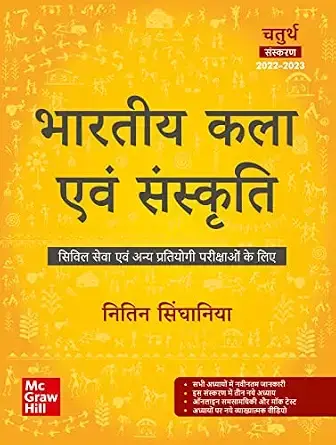
Bharatiya Kala Evam Sanskriti
📖 पुस्तक में मुख्य रूप से क्या पढ़ाया जाता है?भारतीय कला की मूल अवधारणाएँ — कला की विभिन्न शाखाएँ और उनका ऐतिहासिक विकास।स्थापत्य कला (Architecture) — मंदिर, स्तूप, गुफाएँ, मस्जिद, मकबरे तथा अन्य स्थापत्य परंपराएँ।मूर्तिकला (Sculpture) — सिंधु घाटी से लेकर विभिन्न भारतीय कला शैलियों तक।चित्रकला (Painting) — प्राचीन, मध्यकालीन और लोक/जनजातीय चित्रकला।शास्त्रीय नृत्य — भरतनाट्यम, कथक, कथकली, कुचिपुड़ी, ओडिसी, मणिपुरी, मोहिनीअट्टम और सत्रिया आदि।लोक नृत्य एवं लोक कलाएँ — विभिन्न राज्यों की क्षेत्रीय परंपराएँ।भारतीय संगीत — हिंदुस्तानी और कर्नाटक संगीत, वाद्य यंत्र तथा संगीत परंपराएँ।रंगमंच एवं कठपुतली कला — भारतीय नाट्य परंपरा और पारंपरिक प्रदर्शन कलाएँ।साहित्य एवं भाषाएँ — भारतीय साहित्यिक परंपराएँ और प्रमुख साहित्यिक धाराएँ।धर्म एवं दर्शन — बौद्ध, जैन, हिंदू तथा अन्य भारतीय धार्मिक-सांस्कृतिक परंपराओं का प्रभाव।हस्तशिल्प एवं वस्त्र — भारत की पारंपरिक शिल्प, बुनाई और वस्त्र कलाएँ।मेले एवं त्योहार — भारत की विविध सांस्कृतिक परंपराएँ।जनजातीय संस्कृति — जनजातीय कला, परंपराएँ और सांस्कृतिक विरासत।यूनेस्को विरासत — भारत की महत्वपूर्ण सांस्कृतिक एवं प्राकृतिक विरासत से जुड़े विषय।🎯 UPSC में उपयोगितायह पुस्तक मुख्यतः Art & Culture के लिए उपयोगी है:UPSC Prelims: तथ्य, कला-शैलियाँ, स्थापत्य, नृत्य, संगीत, चित्रकला, त्योहार आदि।UPSC Mains GS-I: भारतीय संस्कृति, प्राचीन/मध्यकालीन कला और स्थापत्य से जुड़े analytical questions।State PCS: लगभग सभी राज्य स्तरीय परीक्षाओं में भारतीय कला एवं संस्कृति के प्रश्नों के लिए।Essay: भारतीय सभ्यता, संस्कृति और विरासत से जुड़े उदाहरण देने में उपयोगी।⭐ पुस्तक की खासियतइस तरह की पुस्तक का सबसे बड़ा लाभ यह है कि अलग-अलग विषयों—जैसे Architecture, Dance, Music, Painting, Sculpture और Literature—को एक ही स्थान पर व्यवस्थित रूप से पढ़ा जा सकता है। UPSC की तैयारी में इसे NCERT/NIOS सामग्री, CCRT स्रोत, Previous Year Questions और Current Affairs के साथ पढ़ना अधिक प्रभावी रहता है।अगर आप “Bharatiya Kala Evam Sanskriti” की UPSC वाली specific book (जैसे Nitin Singhania वाली) की बात कर रहे हैं, तो उसका पूरा chapter-wise description + कौन से chapters Prelims/Mains के लिए सबसे महत्वपूर्ण हैं भी मैं दे सकता हूँ।
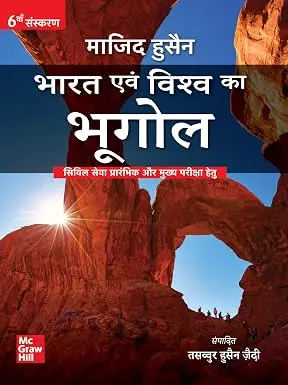
(Old Edition) Bharat Evam Vishwa ka Bhugol, 6E
📖 पुस्तक की मुख्य विशेषताएँभौतिक भूगोल: पृथ्वी की संरचना, भू-आकृति विज्ञान, प्लेट विवर्तनिकी, भूकंप, ज्वालामुखी, चट्टानें और स्थलरूप।जलवायु विज्ञान: वायुमंडल, तापमान, वायुदाब, पवनें, वर्षा, बादल और जलवायु संबंधी प्रक्रियाएँ।समुद्र विज्ञान: महासागर, समुद्री धाराएँ, लहरें, ज्वार-भाटा, समुद्री क्षेत्र तथा महासागर और जलवायु परिवर्तन।भारत का भूगोल: भारत की भौतिक संरचना, नदियाँ, जलवायु, प्राकृतिक संसाधन, कृषि और आर्थिक गतिविधियाँ।विश्व का भूगोल: महाद्वीपों, महासागरों, प्रमुख भौतिक विशेषताओं और वैश्विक भौगोलिक घटनाओं का अध्ययन।मानव भूगोल: मानव और पर्यावरण के संबंध, जनसंख्या तथा मानव भूगोल की मूल अवधारणाएँ।जैविक भूगोल एवं पारिस्थितिकी: पारिस्थितिकी, जीवन का संगठन, आर्द्रभूमि तथा पौधों और जीव-जंतुओं का वर्गीकरण।अंतरिक्ष एवं ब्रह्मांड: Big Bang Theory, आकाशगंगाओं के प्रकार और भारत का अंतरिक्ष कार्यक्रम जैसे विषय।विशेष अवधारणाएँ: Delta formation, earthquake shadow zone, Volcanic Explosivity Index (VEI), volcanic hotspots आदि को भी शामिल किया गया है। 🎯 UPSC के लिए उपयोगिताइस पुस्तक की खासियत यह है कि कठिन भूगोल की अवधारणाओं को सरल भाषा में समझाने का प्रयास किया गया है। पुस्तक में मानचित्र, आरेख, आँकड़े, तथ्य, टेबल, बुलेट पॉइंट और इन्फोग्राफिक्स का भी प्रयोग किया गया है।
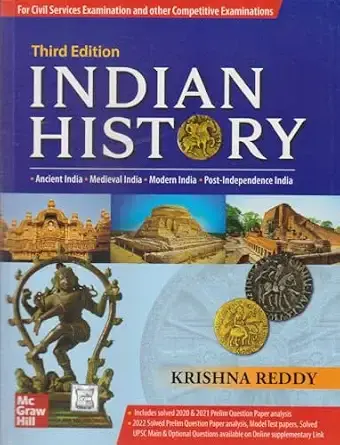
Indian History (English), 3e for UPSC 2026 | Krishna Reddy
The book is designed as a single-volume, chronological study of Indian history. Instead of requiring separate books for Ancient, Medieval, Modern and Post-Independence India, this edition brings all four periods together.The book follows a broad progression:Ancient India → Medieval India → Modern India → Freedom Movement → Post-Independence IndiaIts presentation combines historical explanation with timelines, maps, illustrations, flowcharts, tables, highlighted keywords and practice questions. BBooksDeal+11. Ancient IndiaThe Ancient India section covers the development of Indian civilisation from the earliest periods onward.Major areas include:Prehistoric IndiaIndus Valley/Harappan CivilizationVedic AgeMahajanapadasRise of Buddhism and JainismMauryan EmpirePost-Mauryan developmentsGupta periodSangam periodSouth Indian kingdomsAncient Indian society and economyReligion and philosophyArt, architecture and literatureScience and technology in ancient IndiaThe chronological approach helps establish connections between political, social, economic and cultural developments.
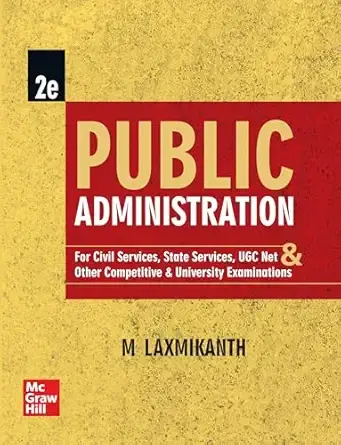
(Old Edition) Public Administration | 2E
Public Administration, 2E provides a systematic introduction to the subject of Public Administration, beginning with fundamental administrative concepts and theories and then moving to the structure and functioning of Indian Administration.The book's basic progression is:Administrative Theory → Administrative Systems → Personnel & Financial Administration → Indian Administration → Union/State/District/Local AdministrationThis makes it useful for candidates who want one book that connects theoretical concepts with India's actual administrative system.Major areas covered1. Introduction to Public AdministrationThe book begins with the fundamentals:Meaning and nature of Public AdministrationScope of Public AdministrationImportance of administrationEvolution of the disciplinePublic Administration and related disciplinesContemporary developmentsThis section is particularly useful for building the foundation for Optional Paper I.2. Basic Concepts and PrinciplesImportant administrative concepts are explained systematically, including:OrganisationHierarchyAuthorityResponsibilityDelegationCoordinationCentralisation and decentralisationSpan of controlLine and staff agenciesThese concepts are important for understanding subsequent administrative theories.
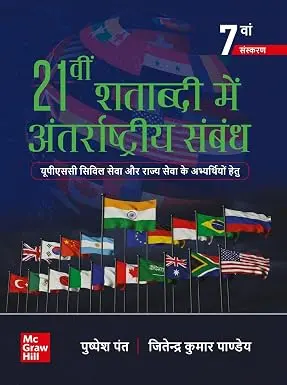
(Old Edition) 21vi Shatabdi Mein Antarrashtriya Sambandh | 7e
This book provides a compact and structured study of International Relations in the context of the 21st century, with particular emphasis on India's foreign policy and India's relations with the changing international system.Rather than studying IR merely country-by-country, the book helps understand the political, economic, strategic and diplomatic forces shaping relations between countries.Its central approach can be understood as:Global development → International issue → India's interests → India's response → Challenges and opportunitiesThis makes it particularly useful for UPSC Mains answer writing, where questions generally require analysis rather than factual descriptions.Major areas covered1. Fundamentals of International RelationsThe book establishes the basic framework required to understand IR:Meaning and nature of international relationsInternational systemNation-statesNational interestPower and balance of powerDiplomacyForeign policyInternational cooperationGlobalisationChanging world orderThese concepts provide the foundation for analysing contemporary international affairs.
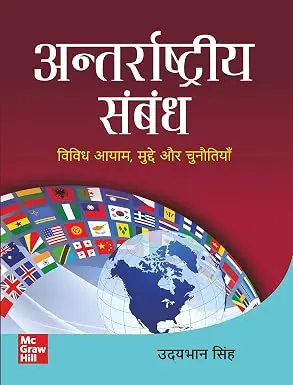
Antarrashtriya Sambandh for UPSC 2026 | अन्तर्राष्ट्रीय संबंध- विविध आयाम, मुद्दे और चुनौतियाँ | GS Paper 3 Mains | antarashti sambandh
The book is intended to provide a structured understanding of International Relations from an Indian perspective. Rather than treating IR simply as a collection of facts about countries and organisations, the approach is generally focused on understanding:Background → India's interests → Bilateral/multilateral relations → Issues/challenges → India's response → Way forwardThis approach is particularly useful for GS-II Mains answer writing, where UPSC expects analysis rather than simple factual recall.Major areas covered1. भारत की विदेश नीतिThe book deals with the fundamentals of India's external relations, including:India's foreign-policy objectivesDeterminants of Indian foreign policyNational interestStrategic autonomyNon-alignment and its evolutionIndia's changing position in the global orderSoft powerIndia's diplomatic prioritiesEconomic and strategic interests2. India's relations with neighbouring countriesA major portion of IR preparation is India's neighbourhood policy.Topics generally include:India–PakistanIndia–ChinaIndia–NepalIndia–BhutanIndia–BangladeshIndia–Sri LankaIndia–MyanmarIndia–MaldivesIndia and AfghanistanThe emphasis is on issues, opportunities, conflicts, strategic interests and possible solutions, rather than merely describing the countries.